
The global energy transition is no longer a matter of environmental choice; it has become a mandate for national survival.
As conflict engulfs the Middle East and the world’s most critical energy chokepoints face unprecedented blockades, a growing consensus of strategists and analysts argues that energy security—not climate change—is now the primary engine driving the shift away from fossil fuels.
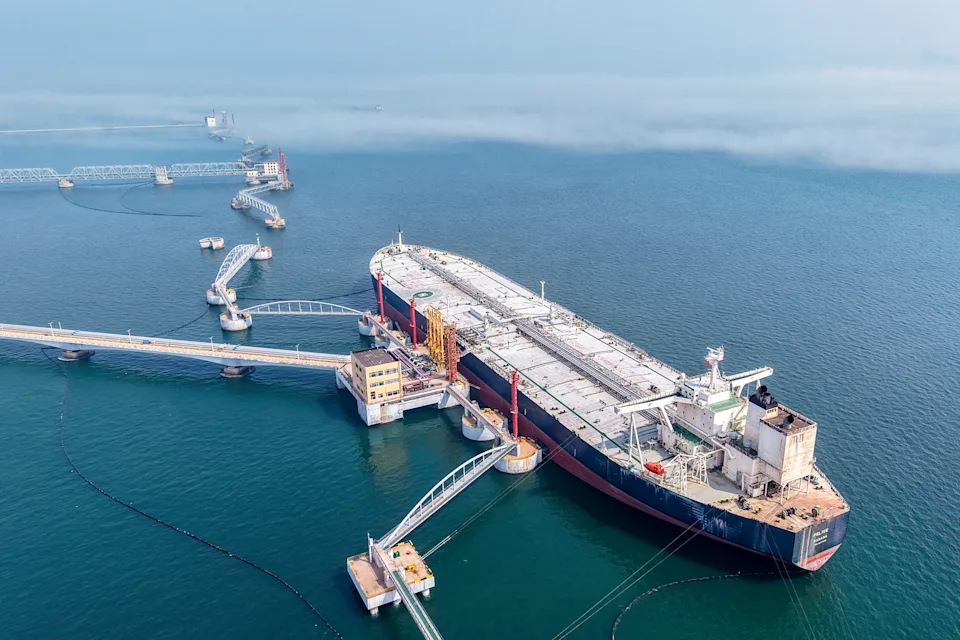
The catalyst for this shift is the largest energy disruption on record. Following a month of escalating hostilities between the U.S., Israel, and the Iranian regime, the Strait of Hormuz remains effectively closed. The blockade has removed roughly 16 million barrels of oil per day from the global market, sending Brent Crude and West Texas Intermediate (WTI) prices surging more than 40%.
“The energy transition never had anything to do with climate change,” said Jeff Currie, Chief Strategy Officer at Carlyle, speaking at the CERAWeek conference. “Security was always paramount. What we are seeing now will turbocharge that transition through sheer necessity.”
The crisis has exposed a fundamental flaw in the global hydrocarbon economy: the same portability that makes oil a convenient commodity makes it a strategic liability. Unlike fossil fuels, which require constant, vulnerable supply chains, renewable infrastructure offers a “one-and-done” security profile.
“You import a solar panel or an electric car only once,” noted Roger Diwan, Vice President at S&P Global Commodity Insights. “You import oil every day.”
The current instability mirrors the 2022 energy shock following Russia’s invasion of Ukraine. When Moscow weaponized its natural gas exports, Europe’s industrial core faced an existential threat. The subsequent sabotage of the Nord Stream pipelines forced a permanent, albeit costly, pivot toward Liquified Natural Gas (LNG) and accelerated electrification.
While the U.S. remains the world’s leading producer of oil and gas, it is not immune to these shocks. Global pricing ensures that Middle Eastern disruptions translate directly to American inflation. However, the domestic response has been mixed. Secretary of the Interior Doug Burgum recently announced a $1 billion payment to TotalEnergies to cancel East Coast offshore wind projects in favor of reinforcing hydrocarbon infrastructure, prioritizing immediate “resiliency” over long-term decarbonization.
Analysts warn that this shift will be “painful” and uneven. While electric vehicles currently displace approximately 1.3 million barrels of oil per day, the developing world remains structurally tethered to imported hydrocarbons.
Ultimately, the transition is being forced by a world where globalization is fracturing. As nations prioritize sovereignty over capital efficiency, the move toward localized energy sources is accelerating—driven by the cold reality of the battlefield rather than the aspirations of green policy.