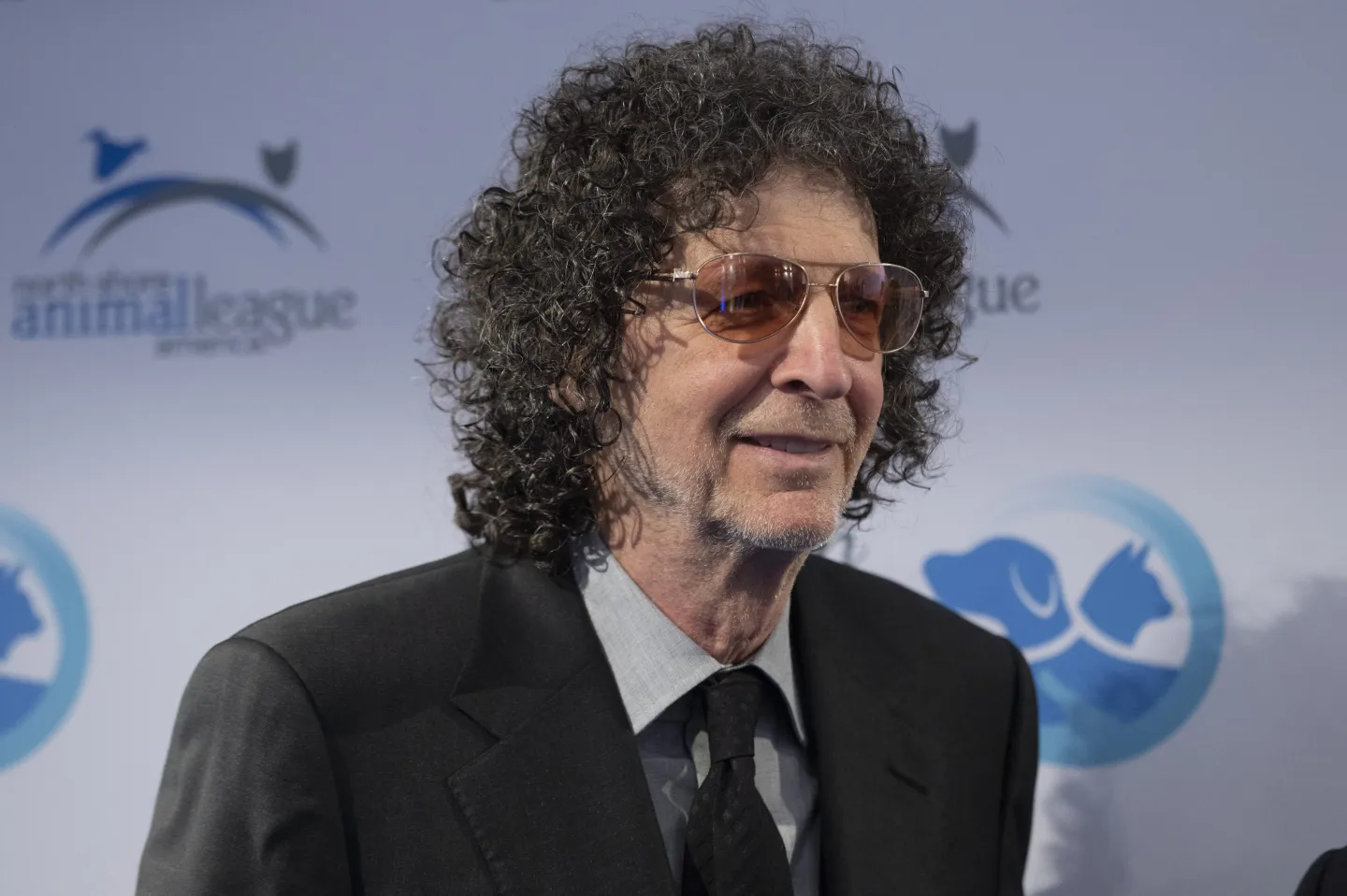

Shock jock Howard Stern announced he is canceling his Disney Plus subscription to protest ABC’s indefinite suspension of Jimmy Kimmel Live!, joining a growing wave of backlash against the network’s decision.
“I’m canceling my Disney Plus,” Stern said on his SiriusXM show Monday morning. “I’m trying to say with the pocketbook that I do not support what they’re doing with Jimmy.”
The suspension came after ABC, owned by Disney, pulled Kimmel’s show last week following pressure from FCC Chairman Brendan Carr and major broadcast station owners over Kimmel’s monologue on the assassination of conservative activist Charlie Kirk. The move has sparked intense debate over free speech and government overreach in media.
The controversy began when Kimmel criticized what he called the “MAGA gang” for attempting to “score political points” from Kirk’s murder at Utah Valley University on Sept. 10. Charlie Kirk, 31, cofounder of Turning Point USA and a close Trump ally, was fatally shot while hosting a campus debate. Tyler Robinson, 22, has been charged with Kirk’s murder.
Stern voiced broader concerns about government interference in media, drawing on his own experiences with censorship.
“I just know when the government begins to interfere, when the government says, ‘I’m not pleased with you, so we’re going to orchestrate a way to silence you,’ it’s the wrong direction for our country,” Stern said. “And I should know. I’ve been involved in something like this.”
Stern has a long history of clashes with the FCC. Between 1990 and 2004, the FCC issued a record $2.5 million in fines against radio stations airing The Howard Stern Show for content deemed indecent—the largest total ever levied against an American radio program. The pressure peaked in 1992 when Infinity Broadcasting was fined $600,000, then the largest single indecency penalty in U.S. broadcasting history. Federal scrutiny eventually forced Stern’s employer to pay a $1.7 million settlement in 1995 to resolve outstanding FCC violations.
In 2004, Clear Channel Communications permanently removed Stern from six stations after the FCC proposed a $495,000 fine for alleged indecency. Stern called these actions politically motivated, saying, “It is pretty shocking that governmental interference into our rights and free speech takes place in the U.S. It’s hard to reconcile this with the ‘land of the free’ and the ‘home of the brave.’”
The crackdown prompted Stern to leave terrestrial radio entirely, signing with SiriusXM in 2005 to escape FCC oversight—a move widely seen as a victory for free expression over government censorship.
Kimmel’s suspension followed threats from FCC Chairman Carr, who warned of revoking broadcast licenses if ABC affiliates continued airing the show.
“We can do this the easy way or the hard way,” Carr said on a podcast with conservative commentator Benny Johnson. “These companies can find ways to change conduct and take actions on Kimmel, or there’s going to be additional work for the FCC ahead.”
Major station owners Nexstar Media Group and Sinclair Broadcast Group announced they would drop Kimmel from their ABC affiliates, citing the “public interest.” This pressure prompted Disney executives Bob Iger and Dana Walden to suspend the show to protect the company from potential regulatory consequences.
Stern’s protest adds him to a growing boycott movement. Marvel stars Tatiana Maslany and Mark Ruffalo, former Congressman Adam Kinzinger, and several other celebrities have called for Disney subscription cancellations.
The financial impact has been immediate. Disney’s stock fell 2–3% after the suspension, wiping out billions in market value. Reports indicate Disney’s cancellation pages briefly crashed due to high traffic from users joining the boycott.
Even some Republicans criticized the FCC’s actions. Sen. Rand Paul (R-Ky.) called Carr’s threats “absolutely inappropriate,” saying the FCC chairman had “no business weighing in” on Kimmel’s comments.
Disney and Kimmel representatives are reportedly negotiating a resolution, though no timeline has been set for the show’s return. Around 200 staff members remain uncertain about their employment, with Disney paying them only through the end of September, according to CNN.
The situation marks an unprecedented moment in American broadcasting. Observers note that major station owners have never before refused to air network programming over political content. As Stern highlighted, this controversy goes beyond one comedian—it touches on the fundamental issues of free speech and corporate courage under government pressure.