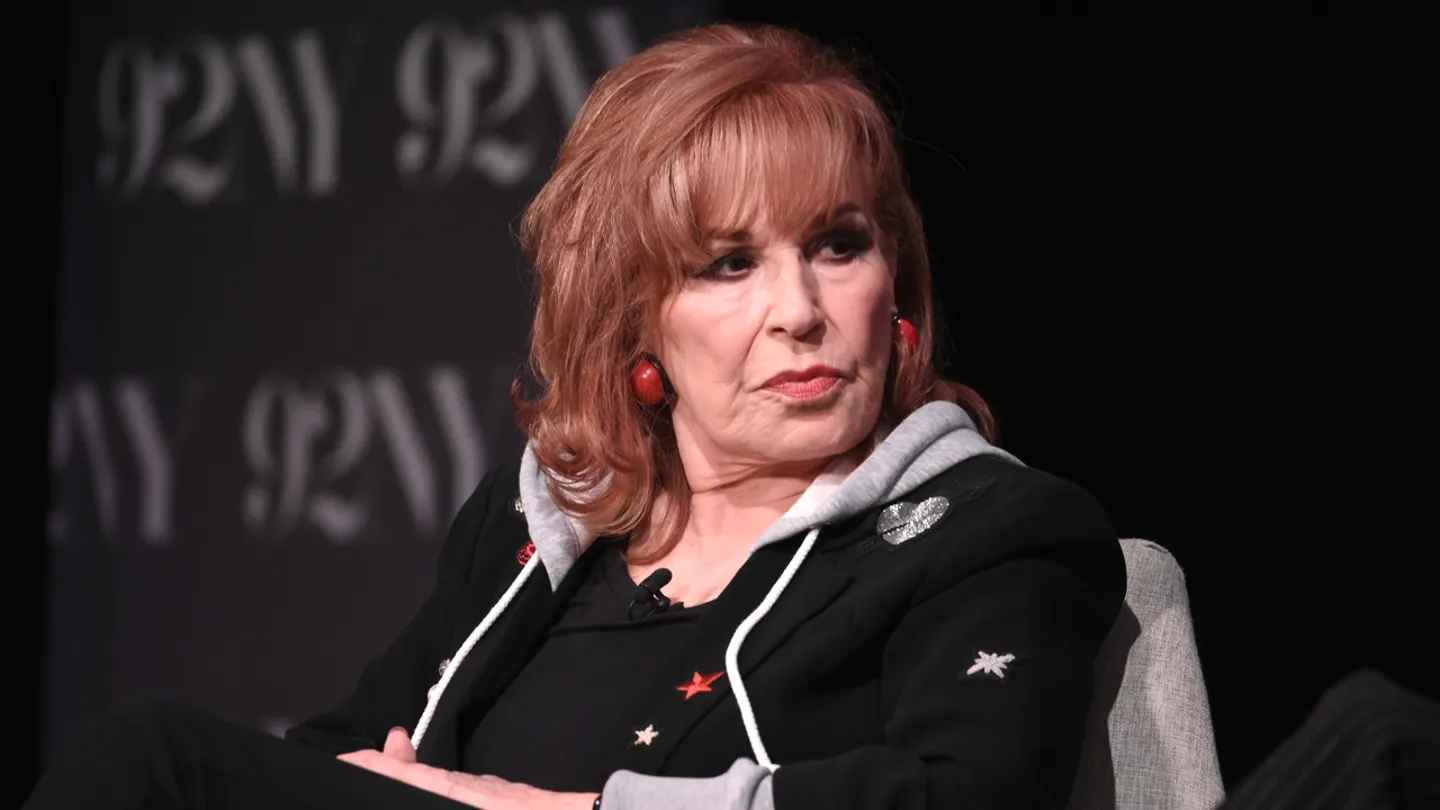

A segment on ABC’s The View regarding President Donald Trump’s use of AI-generated religious imagery devolved into a heated theological dispute Wednesday. Co-host Joy Behar drew sharp criticism after claiming Jesus Christ never identified as the Messiah, a statement immediately refuted by her colleagues and biblical scholars.
The debate centered on a now-deleted Truth Social post by Trump. The image depicted the former president as a Christ-like figure in a white robe and red shawl, appearing to perform healings. The composite featured a surreal blend of nationalistic and religious iconography, including bald eagles, the Statue of Liberty, and ghostly service members.
The panel’s critique turned sharply when Behar, 83, attempted to contrast Trump’s public persona with Jesus. “Jesus Himself did not run around saying, ‘I’m the Messiah!’” Behar declared.
The assertion prompted an immediate correction from co-host Sara Haines. “That’s exactly what Jesus said,” Haines countered, citing biblical accounts. When Behar suggested such claims would be “narcissistic,” Haines responded, “When you are the Messiah, it’s not narcissism to say it.”
Fact-Checking the Narrative The exchange triggered a wave of real-time fact-checking across social media. Biblical scholars and political figures, including Senator Ted Cruz, pointed to several New Testament passages that directly contradict Behar’s claim.
In the Gospel of John, Jesus explicitly identifies himself as the Messiah during an exchange with a Samaritan woman. Furthermore, John 14:6 records the declaration: “I am the way and the truth and the life.” While the “Messianic Secret”—a theological concept where Jesus occasionally urged followers to remain silent about his identity—exists in the Synoptic Gospels, his self-identification remains a cornerstone of Christian doctrine.
Broader Condemnation The controversy extends beyond the television studio. Religious leaders have signaled growing alarm over the “savior-like” imagery utilized by the Trump campaign.
Archbishop Paul S. Coakley, president of the U.S. Conference of Catholic Bishops, issued a statement expressing “disheartening” concern over the conflation of political figures with divine ones. On the panel, Sunny Hostin characterized Trump as a “false prophet,” while Alyssa Farah Griffin, Trump’s former communications director, noted that the imagery stood in stark contrast to the biblical Beatitudes.
Behar, who was raised Roman Catholic but now identifies as agnostic, saw the discussion shuttered by moderator Whoopi Goldberg as the argument escalated. The incident highlights the volatile intersection of digital AI propaganda, national politics, and American religious identity.