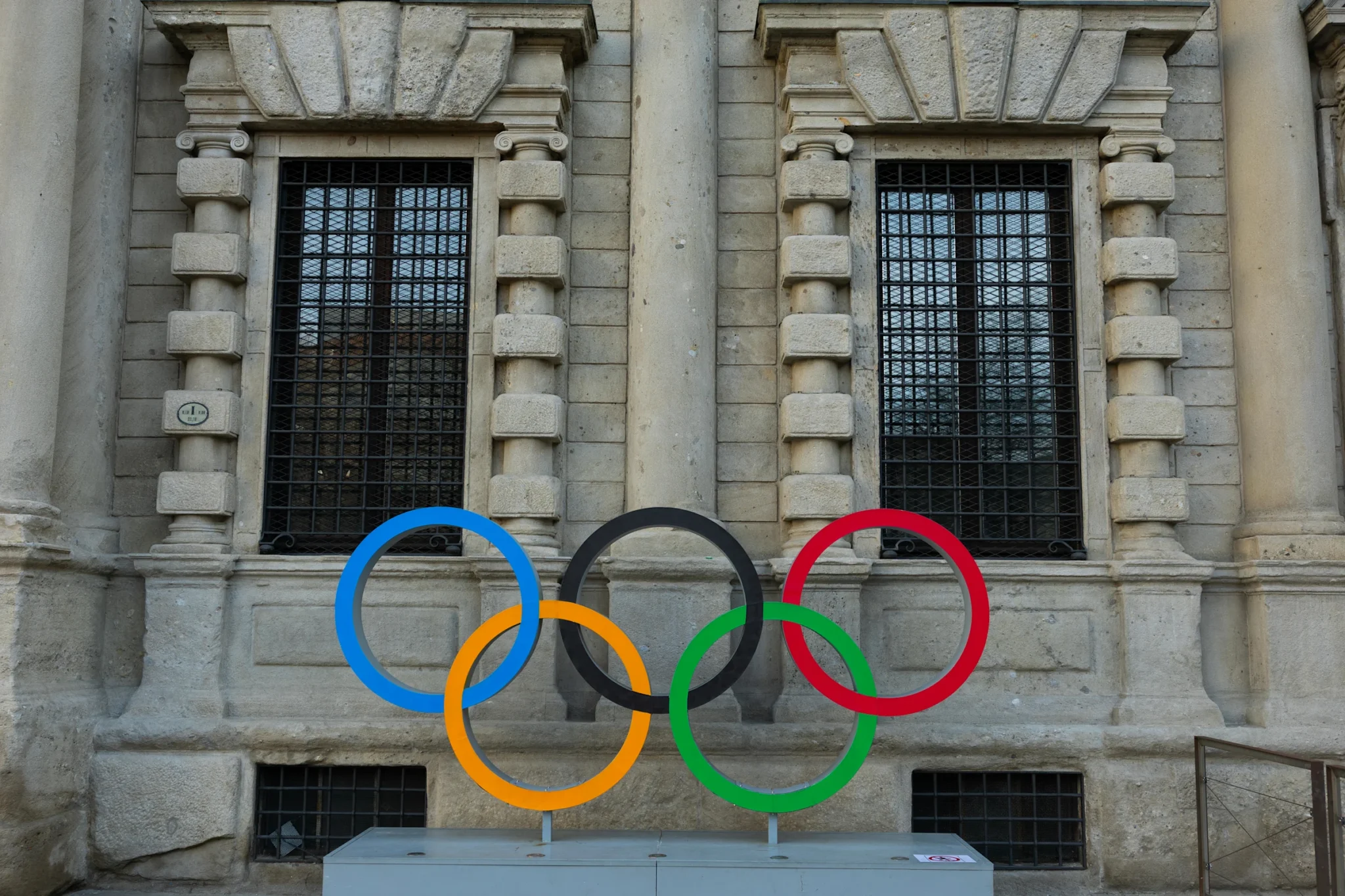

The International Olympic Committee (IOC) announced a landmark policy Thursday effectively banning transgender athletes from competing in the women’s category, beginning with the 2028 Los Angeles Olympics. The new directive pivots the Games toward a strict biological eligibility standard, citing scientific evidence as the catalyst for the shift.
Under the updated framework, the women’s category is now limited exclusively to “biological females.” To enforce this, the IOC will implement a mandatory screening process designed to detect the gender-determining region Y (SRY) gene. Located on the Y chromosome, the SRY gene is the primary driver of male-typical physical development.
The Science of Eligibility
IOC President and former Olympic gold medalist Kirsty Coventry defended the decision, stating the policy is “based on science” and prioritizes fairness for female competitors.
“The presence of the SRY gene is fixed throughout life,” the IOC stated in an official release. “It represents highly accurate evidence that an athlete has experienced male development.”
Athletes will undergo a “once-in-a-lifetime” screening via saliva, cheek swabs, or blood samples. A negative result for the SRY gene confirms eligibility for the women’s category. While the IOC recommended that international sports federations adopt these standards, it clarified that these rules should not apply to grassroots or recreational sports.
Exceptions and Alternative Classifications
The policy does provide narrow exceptions for athletes with specific Differences in Gender Development (DSDs). Individuals diagnosed with Complete Androgen Insensitivity Syndrome (CAIS) or other rare conditions may still compete in the women’s division, provided they do not benefit from the performance-enhancing effects of testosterone.
Athletes who test positive for the SRY gene remain eligible for other classifications, including:
- The men’s category.
- Designated male slots in mixed-gender events.
- Any open events not classified by biological gender.
Impact on the 2028 Games
The IOC developed this policy following extensive consultation with medical experts and international federations who demanded “clear, science-based eligibility rules.” The decision marks a significant departure from previous guidelines that focused on suppressed testosterone levels.
Despite the high-profile nature of the debate, the immediate impact on the athlete pool may be limited. According to the Associated Press, no transgender women competed in the 2024 Paris Summer Games. However, this directive provides a definitive legal and biological framework for the future of elite international competition.