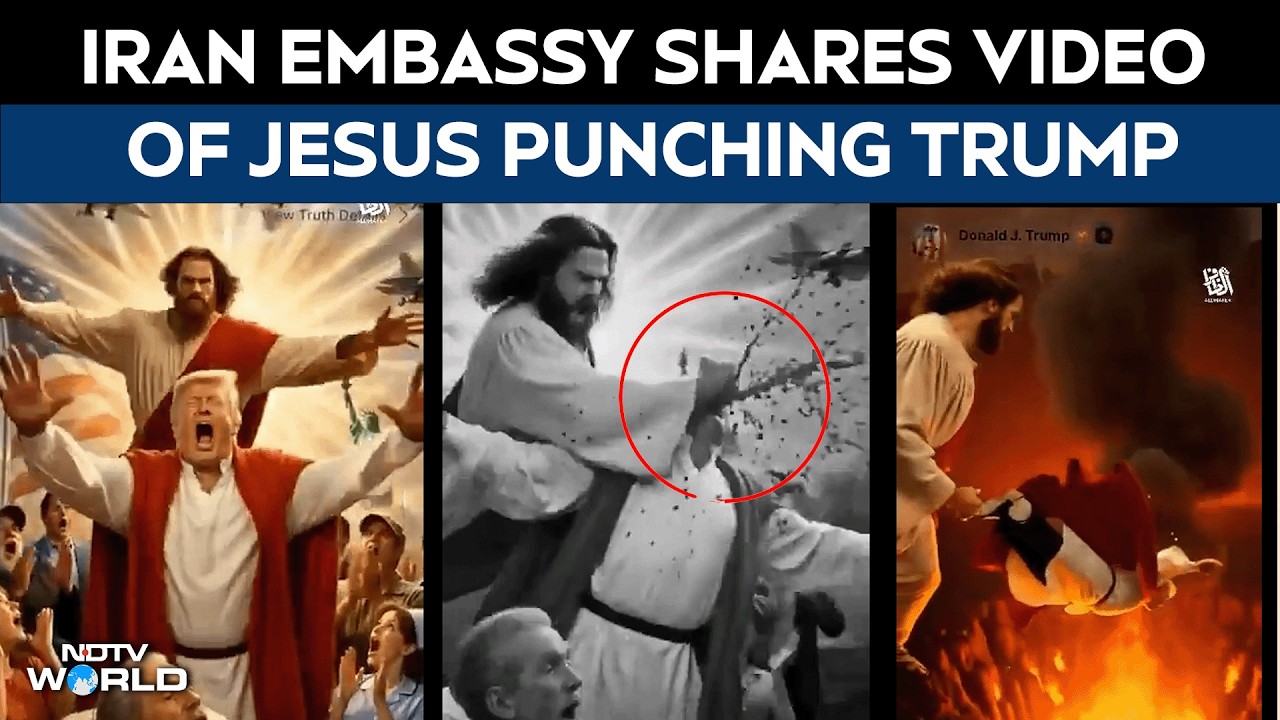

In an escalation of online messaging tactics, Iran’s embassy in Tajikistan posted an AI-generated video depicting Jesus Christ violently striking former U.S. President Donald Trump, underscoring a widening digital propaganda battle tied to ongoing geopolitical tensions.
The video, shared Tuesday on the social platform X, shows a dramatized scene in which a Christ-like figure descends from the sky and punches Trump, accompanied by ominous narration. The clip appears to reference an earlier image posted by Trump on Truth Social, where he portrayed himself in a quasi-religious setting.
The video is part of a broader campaign by Iranian-linked channels using artificial intelligence to shape narratives amid heightened friction involving the United States, Israel, and Iran. Officials and affiliated media groups have increasingly turned to stylized or satirical AI content to mock adversaries and promote Iran’s military and ideological stance.
Among the most prominent contributors is Explosive Media, which has produced viral clips portraying global leaders—including Trump and Israeli Prime Minister Benjamin Netanyahu—as animated Lego-style figures. These videos blend humor with political messaging, often emphasizing Iranian resilience and military capability.
A spokesperson for Explosive Media, speaking to the BBC podcast Top Comment, defended the content as political satire. The spokesperson rejected accusations of antisemitism, describing the material as “anti-Zionist,” and accused Trump of supporting destabilizing actions abroad.
The Trump administration and its allies have also leaned into internet culture as part of their communications strategy. Past posts have incorporated imagery from popular franchises like Grand Theft Auto and SpongeBob SquarePants to highlight military actions or mock adversaries.
This reciprocal use of memes and AI visuals reflects a shift in how governments engage global audiences—particularly younger users—through informal, viral-friendly content.
The Iranian video directly references an earlier AI-generated image Trump posted, depicting himself in a religious, healing-like scene. That post drew criticism from segments of his conservative and Christian base, who labeled it inappropriate or blasphemous.
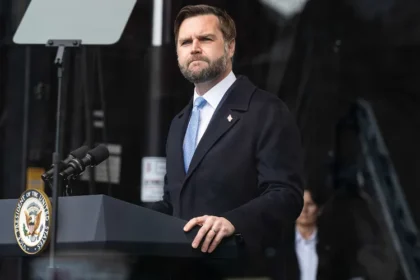
After deleting the image, Trump downplayed its intent, telling reporters he viewed it as a depiction of himself “as a doctor.” Vice President JD Vance later described the post as a misunderstood joke that was removed due to backlash.
Analysts say the incident highlights how AI-generated media is rapidly becoming a tool of statecraft, blurring the lines between satire, propaganda, and psychological operations. As geopolitical rivalries intensify, experts warn that such content—especially when amplified by official channels—could further inflame tensions and complicate efforts to manage public perception on the global stage.