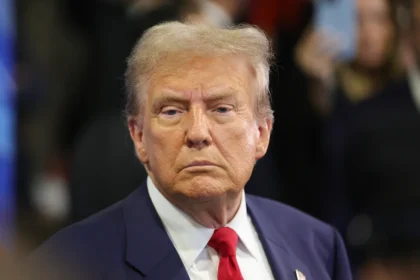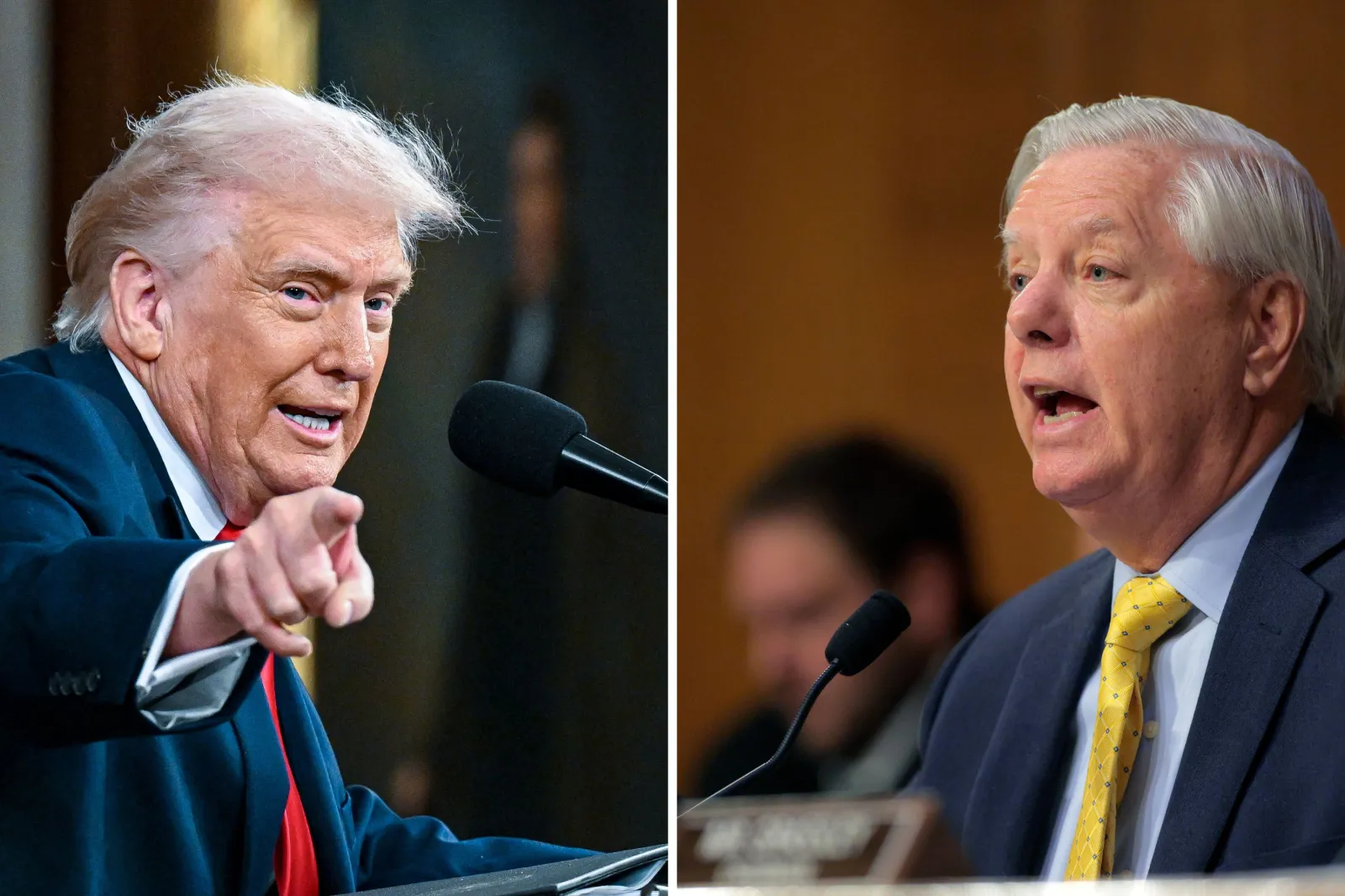

WASHINGTON — President Donald Trump and Defense Secretary Pete Hegseth signaled a potential escalation in the conflict with Iran on Monday, refusing to rule out the deployment of U.S. ground troops. The statements directly contradict recent assurances from key ally Senator Lindsey Graham (R-SC), highlighting a significant rift in Republican messaging as Operation Epic Fury enters a volatile new phase.
Speaking to reporters on Monday, President Trump pushed back against the categorical “no boots on the ground” pledges typical of past administrations. “I don’t have the yips with respect to boots on the ground,” Trump told the New York Post. While he noted that such a move “probably” isn’t necessary, he pointedly added he would deploy them “if they were necessary.”
Strategic Ambiguity or Policy Shift?
The Pentagon echoed the President’s stance. During a press briefing, Secretary of War Pete Hegseth dismissed the idea of setting public limits on military options as “foolishness.”
“We’re not going to go into the exercise of what we will or will not do,” Hegseth said. “I think it’s one of those fallacies… that this department or presidents should tell the American enemies exactly how far we’ll go.”
This open-ended rhetoric stands in stark contrast to Senator Graham’s emphatic comments on NBC’s Meet the Press just 24 hours earlier. Graham, a staunch supporter of the administration’s strikes, repeatedly told viewers, “There will be no American boots on the ground. This is not Iraq.”
The Stakes of Operation Epic Fury
The internal policy debate follows the massive joint U.S.-Israeli air campaign launched Saturday. The operation has already resulted in:
- The death of Supreme Leader Ayatollah Ali Khamenei and 48 other senior Iranian leaders.
- Strikes on over 1,000 targets, including missile production sites and naval infrastructure.
- Six U.S. service member fatalities following an Iranian retaliatory drone strike on a command center in Kuwait.
Despite the high-profile success in decapitating Iran’s leadership, military experts warn that airpower alone may not achieve the administration’s goal of permanent regime change. Blackwater founder Erik Prince noted on Sunday that “wishful thinking” won’t change a regime without a ground presence, a sentiment echoed by former Iranian hostages and regional analysts.
Public Opposition and Political Risks
The prospect of a ground invasion faces a steep uphill battle with the American public. A CNN/SSRS poll released Monday indicates that 60% of Americans oppose sending ground troops to Iran, with only 12% in favor.
| Group | Support Ground Troops | Oppose Ground Troops | Unsure |
| All Americans | 12% | 60% | 28% |
| Republicans | 55% (Airstrikes) | 13% (Airstrikes) | 31% |
Data source: CNN/SSRS and Reuters/Ipsos March 2026 Polls.
The administration’s “America First” base is also showing signs of unease. Many voters who supported Trump’s pledge to avoid “endless wars” are questioning if the current path mirrors the protracted conflicts in Iraq and Afghanistan that the President previously labeled as “dumb.”
What’s Next
The conflict shows no signs of a swift conclusion. Joint Chiefs Chairman General Dan Caine confirmed that additional U.S. personnel are being deployed to the Middle East, though he declined to specify their exact roles. While the administration maintains the mission is “laser-focused” on destroying Iran’s nuclear and missile capabilities, the refusal to take ground operations off the table suggests the Pentagon is preparing for a “gritty” and potentially prolonged engagement.
As Congress weighs a bipartisan War Powers Resolution to limit the President’s authority, the coming days will determine if the administration’s “strategic ambiguity” can survive both domestic political pressure and the realities of a widening regional war.