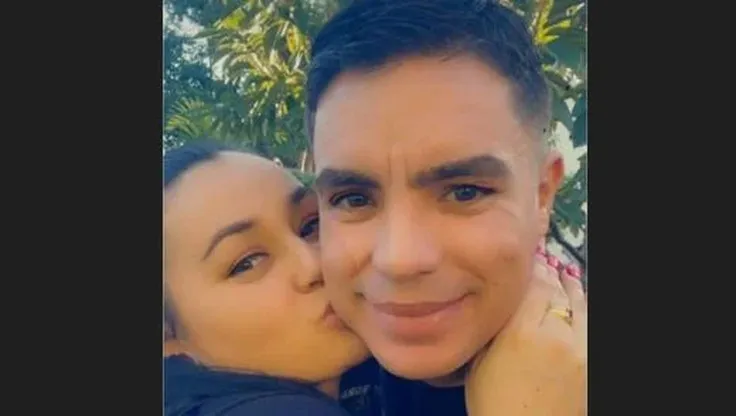

A decorated U.S. Army veteran with nearly three decades of service is demanding answers after federal agents seized his wife during a routine immigration check-in, a move that advocates warn undermines trust in the legal immigration process.
Sgt. 1st Class José Serrano, a 51-year-old soldier with 27 years of active-duty service and three combat tours in Afghanistan, confirmed that Immigration and Customs Enforcement (ICE) detained his wife, Deisy Rivera Ortega, on April 14. The arrest occurred at an ICE facility in El Paso where Rivera Ortega had arrived voluntarily for a scheduled appointment.
Conflict Over Legal Status
The detention highlights a growing friction between individual compliance and federal enforcement priorities. Rivera Ortega, who fled El Salvador for the U.S. in 2016, reportedly held a valid work permit and had been granted a form of protection against removal in 2019.
However, the Department of Homeland Security (DHS) contends that Rivera Ortega remains subject to a prior deportation order stemming from an unauthorized entry. Despite her Salvadoran citizenship, officials indicated she could be deported to Mexico—a country where she has no known ties.
A Career and Family at Risk
For Serrano, the enforcement action creates a dual crisis. A resident of Puerto Rico who has spent his adult life in uniform, Serrano disclosed that the situation has exacerbated his service-connected disabilities, including post-traumatic stress disorder (PTSD) and a traumatic brain injury (TBI).
“I love the Army,” Serrano said. “It’s not the Army… it’s ICE.”
The soldier noted that his wife’s potential removal to Mexico would create an impossible choice. Due to strict U.S. military travel restrictions regarding Mexico, Serrano warned that visiting his wife across the border could jeopardize his security clearance and his 27-year career.
Broader Implications
Legal experts and immigrant rights advocates argue that “check-in arrests” like this one target individuals who are actively attempting to follow the law. Critics suggest these tactics discourage others from maintaining contact with authorities, potentially driving immigrant communities further into the shadows.
As of late April, Rivera Ortega remains in federal custody in El Paso. Serrano continues to lobby for her release, shifting his focus from foreign battlefields to a domestic legal fight to keep his family intact.
The Army has not issued a formal statement regarding the impact of the detention on Serrano’s service status.