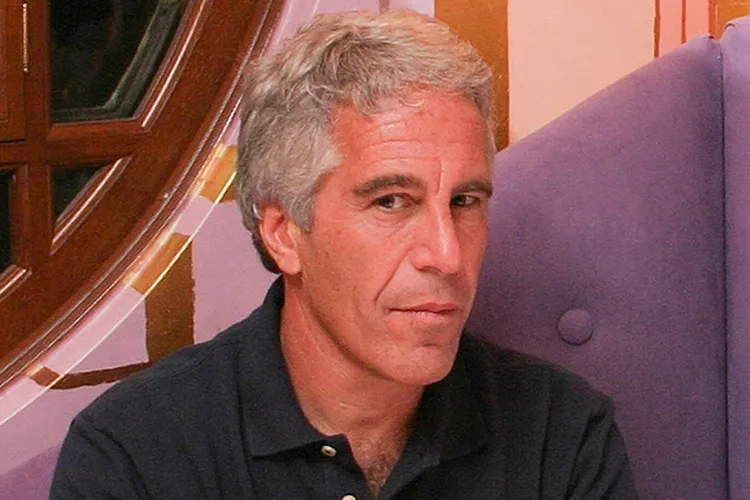

An email from a federal prosecutor indicates the FBI seized about 3,500 n*de images from Jeffrey Epstein’s residences in New York City and the U.S. Virgin Islands.
The message was included in materials connected to the Epstein investigation that were recently released by the Department of Justice. In the email—sent in October 2020, more than a year after Epstein’s death—an assistant U.S. attorney (name redacted) wrote that the IT department was preparing the “production of 40,000 images.”
According to the prosecutor, “the FBI seized approximately 3,500 n*de images and 40,000 non-n*de images during the New York and Virgin Islands searches.”
What the new law does—and doesn’t—require
On Nov. 19, President Donald Trump signed the Epstein Files Transparency Act, which directs the Justice Department to release files tied to the Epstein investigations, but with substantial limitations. Trump had previously opposed the legislation.
The law does not require full disclosure. It allows the DOJ to withhold classified information, materials that could identify victims, or content that could interfere with an active federal investigation.
Photos released without context; some later removed and restored
Among the material released are images of Epstein—a convicted *** offender—with figures who appear to be children.
The Justice Department said the files released “contain untrue and sensationalist claims made against President Trump.”
The images previously made public also include photos featuring prominent individuals such as former President Bill Clinton, Bill Gates, Michael Jackson, and Kevin Spacey—none of whom has been accused of criminal activity in connection with the released material. The photos were posted without added context, and several faces were redacted. Trump appears with Epstein in one of at least 16 images that were temporarily removed from the DOJ website and later restored after public backlash.
Emails referenced by Congress include Trump mentions
Although Trump initially opposed the legislation, he later supported it once it became clear enough House Republicans planned to vote for it to pass.
Separately, Congress also received email-related material connected to Epstein, turned over by his estate. Trump’s name appears multiple times in those emails, some of which were released by Democrats on the House Oversight Committee. In them, Epstein questioned the president’s mental state and suggested he “knew about the girls.”
White House Press Secretary Karoline Leavitt accused Democrats of pushing a “hoax” in a statement following the release of the emails.