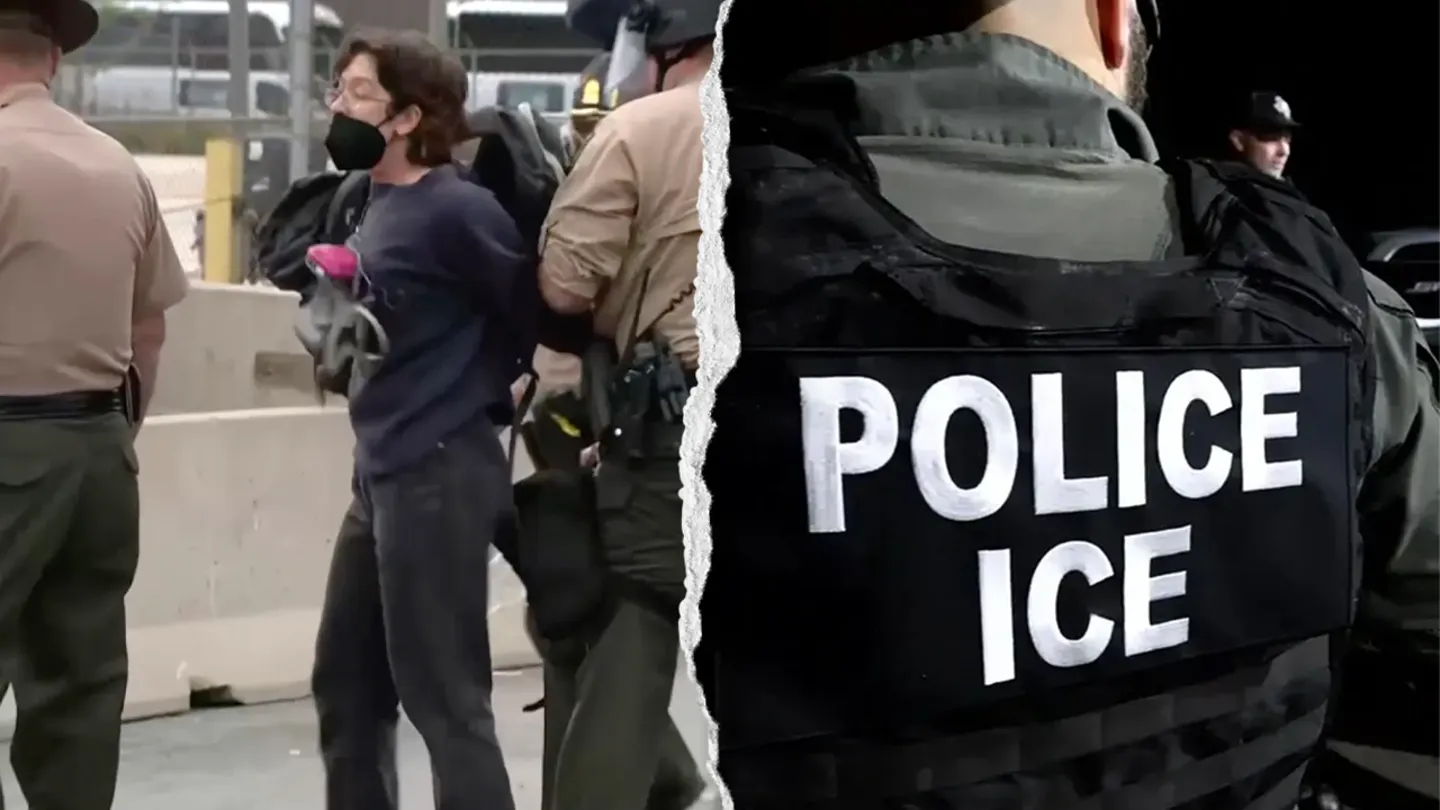

Illinois has joined California and Connecticut in prohibiting federal immigration agents from conducting “civil arrests” of undocumented immigrants in or around state courthouses. While the law is framed as a sanctuary measure, its legality appears questionable — particularly under the U.S. Constitution’s Supremacy Clause. It’s difficult to see how a state can restrict the exercise of federal jurisdiction, especially after the Civil War firmly established federal authority.
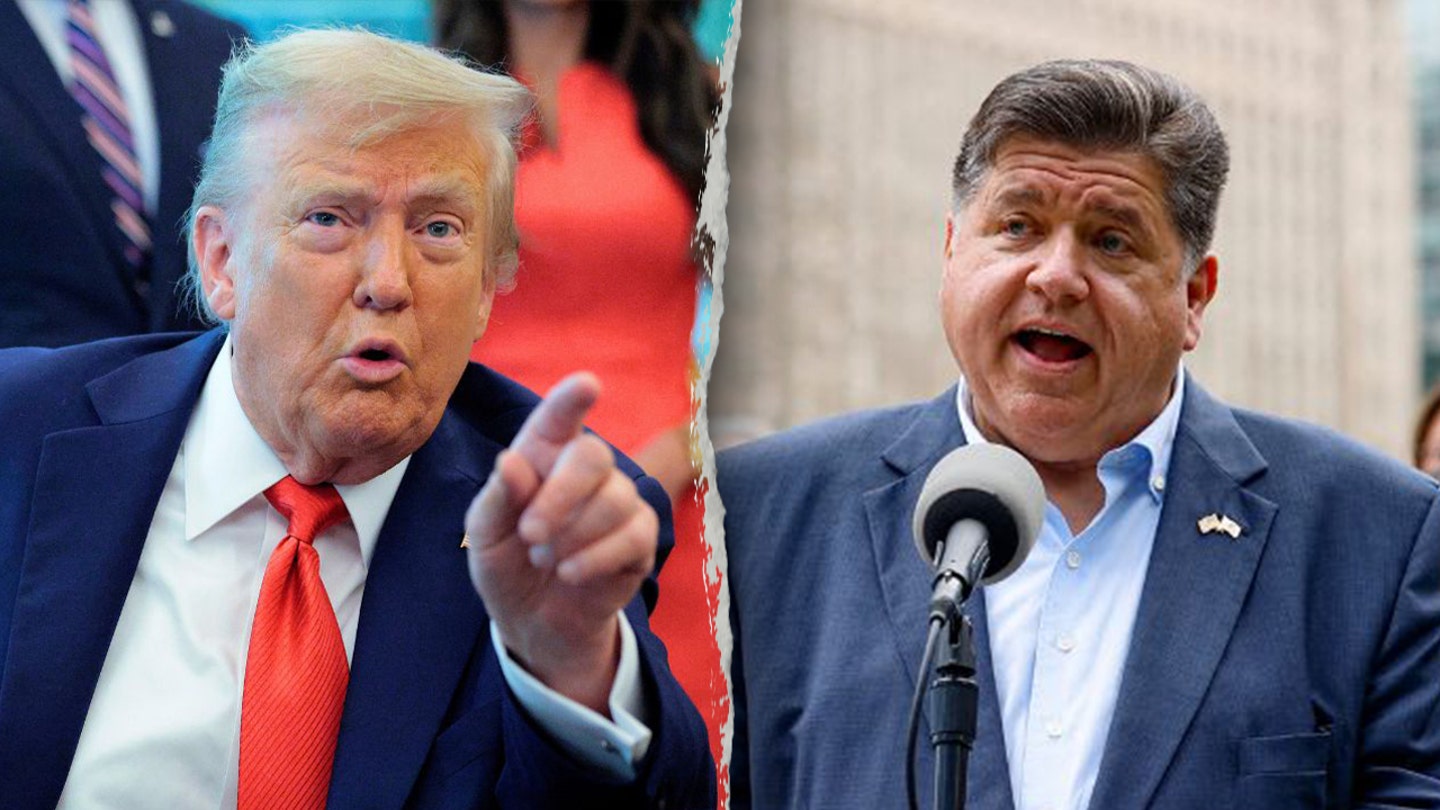
Gov. JB Pritzker has long been outspoken against ICE and the Trump administration, comparing their actions to authoritarian regimes and warning that democracy is under threat. Yet this new law goes further by not only limiting Immigration and Customs Enforcement (ICE) activity but also creating a 1,000-foot “buffer zone” around courthouses where such arrests are prohibited.
The measure effectively treats courthouses like churches — locations where individuals can claim sanctuary not only inside the building but also within a wide perimeter outside. However, this would apply only if ICE chooses to comply.
Earlier, the chief judge of Cook County issued a similar order, and judges in other states have done the same.
Still, the legal authority behind such restrictions remains uncertain. Federal law requires the arrest of certain individuals for immigration violations — including those with criminal convictions or final orders of removal — making any state-imposed prohibition difficult to reconcile.
The most immediate constitutional obstacle is the Supremacy Clause, which establishes that:
“This Constitution, and the Laws of the United States which shall be made in Pursuance thereof… shall be the supreme Law of the Land… any Thing in the Constitution or Laws of any State to the Contrary notwithstanding.”
The Supreme Court has consistently ruled that states lack the authority to dictate federal enforcement actions. In Harisiades v. Shaughnessy (1952), the Court held that the federal government maintains “exclusive control over any policy toward aliens.”
Ironically, blue states now find themselves opposed by precedent set by President Barack Obama. In Arizona v. United States (2012), the Obama administration successfully argued that immigration enforcement is a federal responsibility, and that even state laws seeking to assist federal efforts could not override Washington’s authority. The Court reaffirmed that the U.S. government possesses “broad, undoubted power over the subject of immigration and the status of aliens.”
That authority dates back to the 19th century. In Fong Yue Ting v. United States (1893), the Court declared that Congress has the right to expel or permit aliens to remain and may “take all proper means to carry out the system which it provides.”
Illinois’ law also authorizes lawsuits against federal agents for false imprisonment under state law and creates those 1,000-foot “safe zones” around every state courthouse. Theoretically, someone could rent an apartment within that radius and claim effective immunity simply by staying inside the protected zone. Combined with smartphone apps that track ICE operations, such areas could quickly become havens where federal agents hesitate to act.
If this interpretation were upheld, states could designate an ever-expanding list of “sensitive places” — city buildings, clinics, or other facilities — turning enforcement into a legal maze. Ironically, similar state-level efforts to limit Second Amendment rights have been criticized as unconstitutional for the same reason: infringing on federal or constitutional supremacy.
The practical and legal flaws of such laws may be secondary for politicians eager to make symbolic statements. Yet those who rely on these “safe zones” could face serious consequences when federal law prevails, as history suggests it likely will.
During the desegregation era, states also defied federal authority — and lost. Now, two of Illinois’ own historic figures, Abraham Lincoln and Barack Obama, stand as reminders of that lesson. Both presidents reinforced the supremacy of federal jurisdiction over conflicting state laws.
Fittingly, Illinois passed this bill just days before the anniversary of Lincoln’s election as the 16th president — the man who faced down states claiming the right to ignore federal power. Today, Illinois risks revisiting that same constitutional conflict by attempting to dictate where federal law applies and by threatening to hold federal agents liable for doing their jobs.
Good luck with that.