
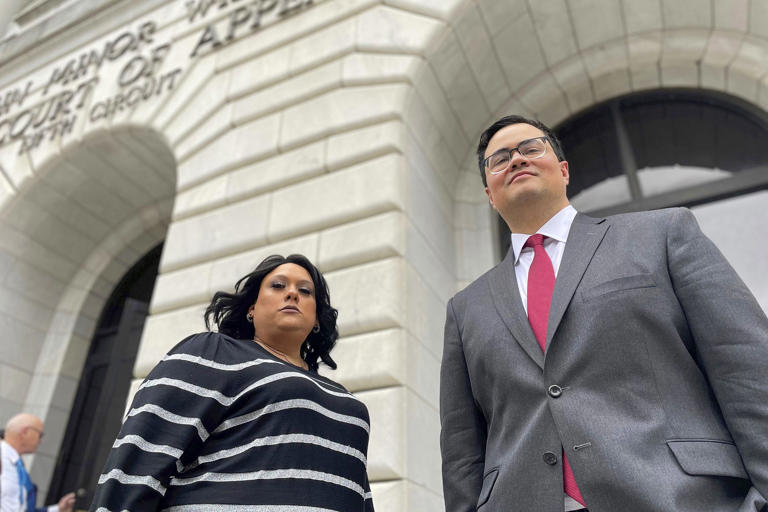

The U.S. Supreme Court on Monday refused to revive a First Amendment lawsuit brought by a Texas citizen journalist who was arrested for seeking information from a police officer. The decision effectively ends a years-long legal battle over whether government officials can be held liable for targeting reporters under obscure state laws.
The justices declined to hear an appeal from Priscilla Villarreal, a Laredo-based reporter known online as “Lagordiloca.” Her lawsuit challenged the actions of Laredo officials who orchestrated her 2017 arrest after she published the identities of a suicide victim and a car accident victim—information she had confirmed via text message with a local police officer.
The Legal Shield: Qualified Immunity
At the center of the case is the controversial doctrine of qualified immunity. This legal defense protects government employees from civil liability unless their conduct violates “clearly established” statutory or constitutional rights.
Villarreal was originally charged under a rarely used Texas statute that criminalizes the solicitation of non-public information from a public servant for a “benefit.” While a judge quickly dismissed the criminal charges, the New Orleans-based 5th U.S. Circuit Court of Appeals ruled in April 2025 that the officials involved were immune from Villarreal’s subsequent civil rights lawsuit. The Supreme Court’s refusal to intervene leaves that ruling in place.
Sotomayor Issues “Grave Error” Warning
Justice Sonia Sotomayor issued a sharp dissent, joined by the court’s liberal wing, arguing that the court’s inaction undermines fundamental press freedoms.
“It should be obvious that this arrest violated the First Amendment,” Sotomayor wrote. She characterized the court’s refusal to hear the case as a “grave error,” noting that the arrest targeted standard journalistic practices that are essential to government transparency.
A Pattern of Judicial Protection
The court’s decision in the Villarreal case arrived alongside a second ruling Monday that further strengthened the protections afforded to law enforcement. In an unsigned opinion, the court granted qualified immunity to a Vermont officer accused of using excessive force against a nonviolent protester at the state Capitol.
The dual rulings highlight a persistent trend: despite bipartisan criticism that qualified immunity prevents accountability for government overreach, the Supreme Court remains hesitant to narrow the doctrine’s scope.
For journalists and civil rights advocates, the Villarreal decision sets a concerning precedent. By shielding officials who use obscure laws to penalize newsgathering, critics argue the court has signaled a diminished appetite for defending the First Amendment in the face of police power.


