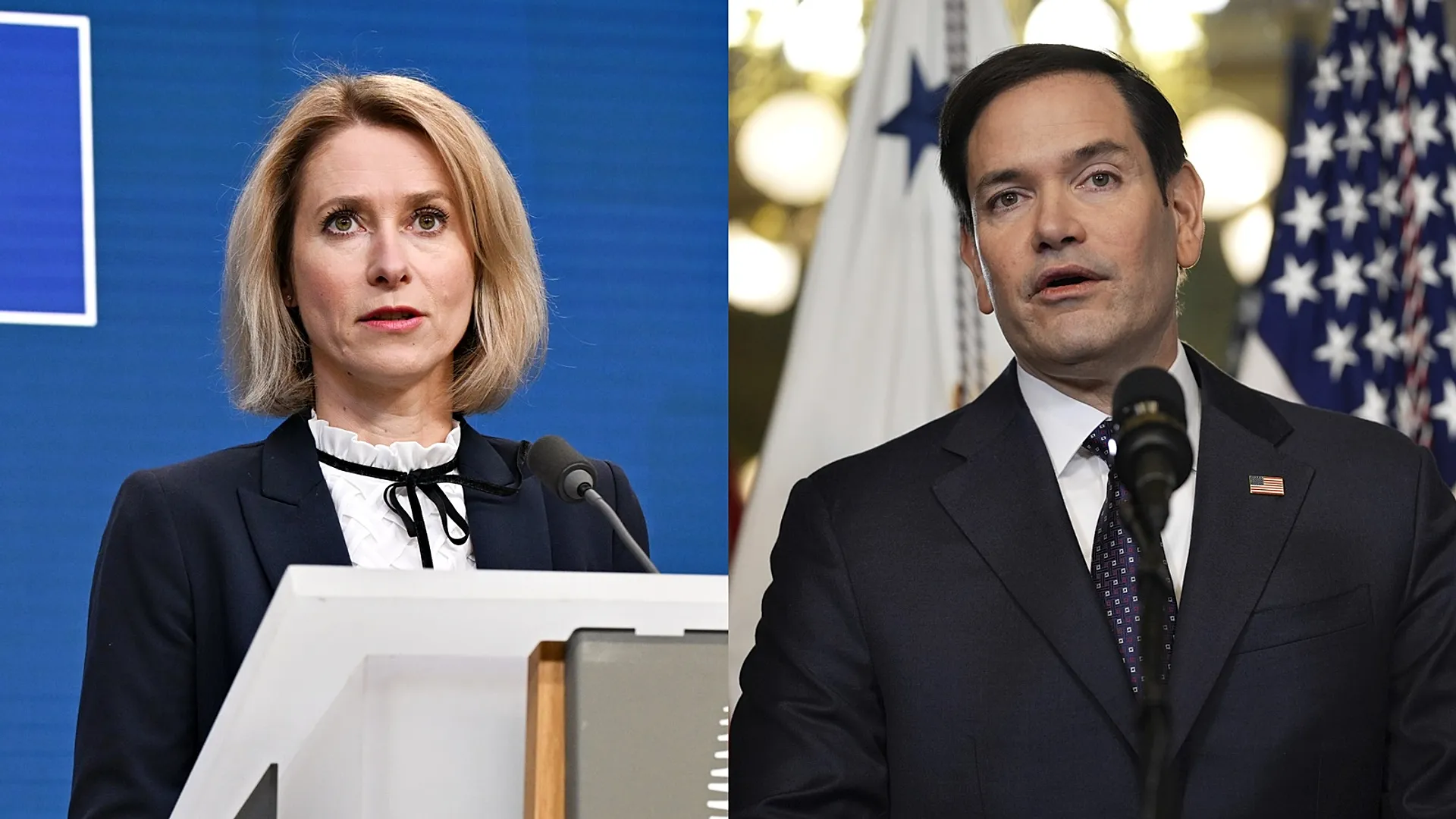

Kaja Kallas, Vice-President of the European Commission, pushed back against comments made by U.S. Secretary of State Marco Rubio at the Munich Security Conference, challenging his criticism of Europe’s direction and highlighting comparative press freedom rankings to support her argument. Her response underscored the ongoing transatlantic debate over shared values, sovereignty, and perceptions of Western strengths during a period of heightened geopolitical tension.
Addressing Rubio’s speech, Kallas suggested it carried a dual message aimed at both European audiences and the American public. She questioned what she described as recurring “Europe-bashing,” emphasizing that Europe’s contributions to human rights, prosperity, and democratic principles remain widely respected around the world.
“When I travel internationally, I see countries looking to Europe because we represent values that still matter,” Kallas said, pointing to the continent’s role in advancing human rights and promoting stability.
A central element of Kallas’s remarks was her reference to global press freedom rankings. She noted Europe’s strong performance in such evaluations while contrasting it with the United States’ position.
“Coming from a country that ranks second in the press freedom index, hearing criticism about press freedom from a country ranked 58 is… interesting,” she said. The Reporters Without Borders World Press Freedom Index assesses nations based on media independence, pluralism, and journalist safety, making the comparison a pointed part of her rebuttal.
Rubio, in his conference address, emphasized the deep historical and cultural ties between the United States and Europe. While acknowledging disagreements, he stressed that the destinies of both sides remain closely linked.
“We care deeply about your future and ours,” Rubio said. “If at times we disagree, those disagreements stem from a profound concern for Europe. Our connection is not only economic or military — it is spiritual and cultural.”
He also reiterated the importance of European strength, invoking the legacy of two world wars as a reminder of the continent’s enduring strategic significance.
Asked whether Rubio’s message appeared mixed or clear, Kallas described it as recognizing the longstanding U.S.–Europe relationship while openly reflecting persistent differences.
“America and Europe have been intertwined in the past and will remain so in the future. That is important,” she said, adding that disagreements do not erase the shared foundation for cooperation.
Kallas’s comments come amid broader discussions at the Munich Security Conference regarding the future of transatlantic relations, differing approaches to global challenges, and contrasting interpretations of strength and values. By highlighting Europe’s achievements while responding to external criticism, she reinforced a recurring theme of the gathering: that the transatlantic partnership remains essential, even as both sides navigate evolving political and strategic pressures.