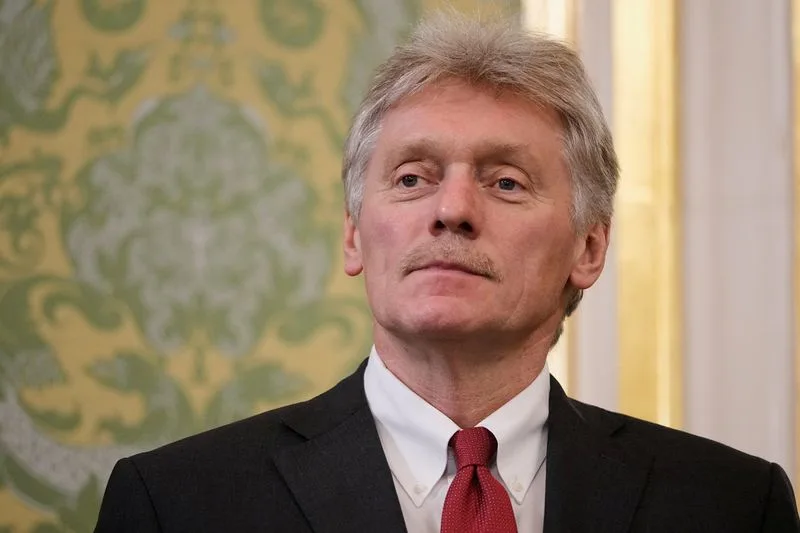

The Kremlin warned on Sunday that any additional European sanctions against Russia would inflict more economic pain on Europe than on Russia itself, claiming Moscow has grown increasingly resistant to such measures.
Since Russia’s full-scale invasion of Ukraine in 2022, Western nations have rolled out sweeping sanctions, making Russia the most heavily sanctioned major economy in the world. While these efforts were designed to pressure President Vladimir Putin into ending the war, the Kremlin argues the strategy has backfired.
Though Russia’s economy contracted in 2022, it rebounded strongly in the following years, with GDP growth surpassing that of the European Union. In 2024, Russia reported a 4.3% growth rate — compared to just 0.9% in the eurozone.
“The tougher the sanctions, the stronger the blowback,” Kremlin spokesperson Dmitry Peskov told Russian state television. “We consider these sanctions illegal, and the recoil from these measures — like a gun’s kickback — will be painful for those who fire.”
His comments came in response to a new package of EU sanctions proposed on June 10, which targets Russia’s energy revenues, banks, and defense industry. The United States has yet to follow suit with additional restrictions.
Peskov dismissed European leaders’ claims — including those from French President Emmanuel Macron — that harsher sanctions would push Russia to the negotiating table.
“Only logic and sound arguments can bring Russia to negotiations,” Peskov said, “not economic pressure.”
He acknowledged that more sanctions from the EU were likely, but insisted that Russia had “built up immunity” to such actions.
On Friday, President Putin echoed that message, arguing that any new European measures would ultimately do more harm to Europe than to Russia.
“Their sanctions hurt themselves more than they hurt us,” Putin said. “We are growing — they are not.”