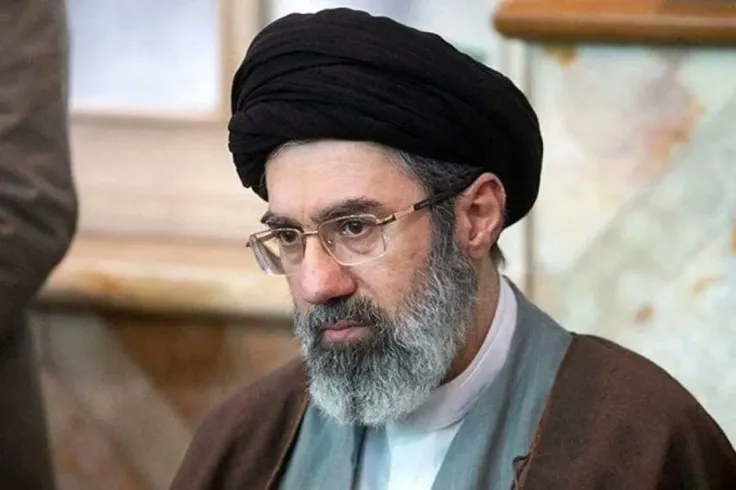

Recent intelligence suggests the late Iranian Supreme Leader Ali Khamenei harbored deep reservations about his son, Mojtaba Khamenei, succeeding him, questioning his intelligence and leadership fitness long before the recent decapitation strikes in Tehran.
Reports surfacing three weeks after the joint U.S.-Israeli operation that killed the elder Khamenei indicate a fractured transition. According to CBS News and U.S. intelligence briefings, Ali Khamenei was “wary” of his son’s elevation to the highest office, citing concerns over Mojtaba’s intellectual capacity and undisclosed issues in his personal life.
A Leader in the Shadows
Mojtaba Khamenei, 56, was officially named Supreme Leader by the Assembly of Experts on March 8. However, he has yet to appear in public, fueling intense speculation regarding his physical condition. Defense Secretary Pete Hegseth stated Friday that the new leader is “wounded and likely disfigured” following the February 28 airstrikes.
Unverified reports from British media suggest Mojtaba may have suffered catastrophic injuries, including the loss of a leg and severe organ damage, and is currently receiving intensive care at Sina University Hospital under heavy guard.
Trump Questions Iranian Command
President Donald Trump has dismissed the significance of the succession, suggesting the Iranian regime is effectively leaderless.
“Their leadership is gone,” Trump told associates, according to sources familiar with the briefings. “Whether [Mojtaba] is there or not doesn’t matter. The country is operating without a leader.”
Despite the lack of a public appearance, state-affiliated networks released a written document attributed to Mojtaba on Thursday. The statement maintained a hardline stance, vowing to:
- Maintain the closure of the Strait of Hormuz.
- Continue strikes on U.S. bases in the region.
- Open new “fronts” where Western forces are perceived as vulnerable.
Regional Escalation
The effective blockade of the Strait of Hormuz has already triggered the largest energy supply disruption since the 1970s. In the document attributed to him, the new leader warned Gulf States to “clarify their stance” regarding U.S. “aggressors” or face continued targeting of military installations within their borders.
While Iranian state media attempts to project stability by referring to Mojtaba as a “wounded war veteran,” the lack of video or audio proof of his health continues to undermine the regime’s authority during its most volatile period since the 1979 Revolution.