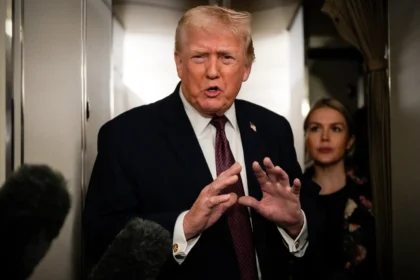

WASHINGTON — President Donald Trump’s decision to bypass Congress and launch a massive military campaign against Iran has ignited a firestorm within his own populist base, with high-profile “America First” loyalists warning of a permanent political divorce.
The offensive, dubbed “Operation Epic Fury,” began in the early hours of Feb. 28, 2026. B-2 stealth bombers and naval assets targeted over 1,000 sites across Iran, including nuclear facilities and command centers. The strikes resulted in the death of Supreme Leader Ayatollah Ali Khamenei—a move the administration explicitly framed as a pursuit of “regime change.”
The “America First” Backlash
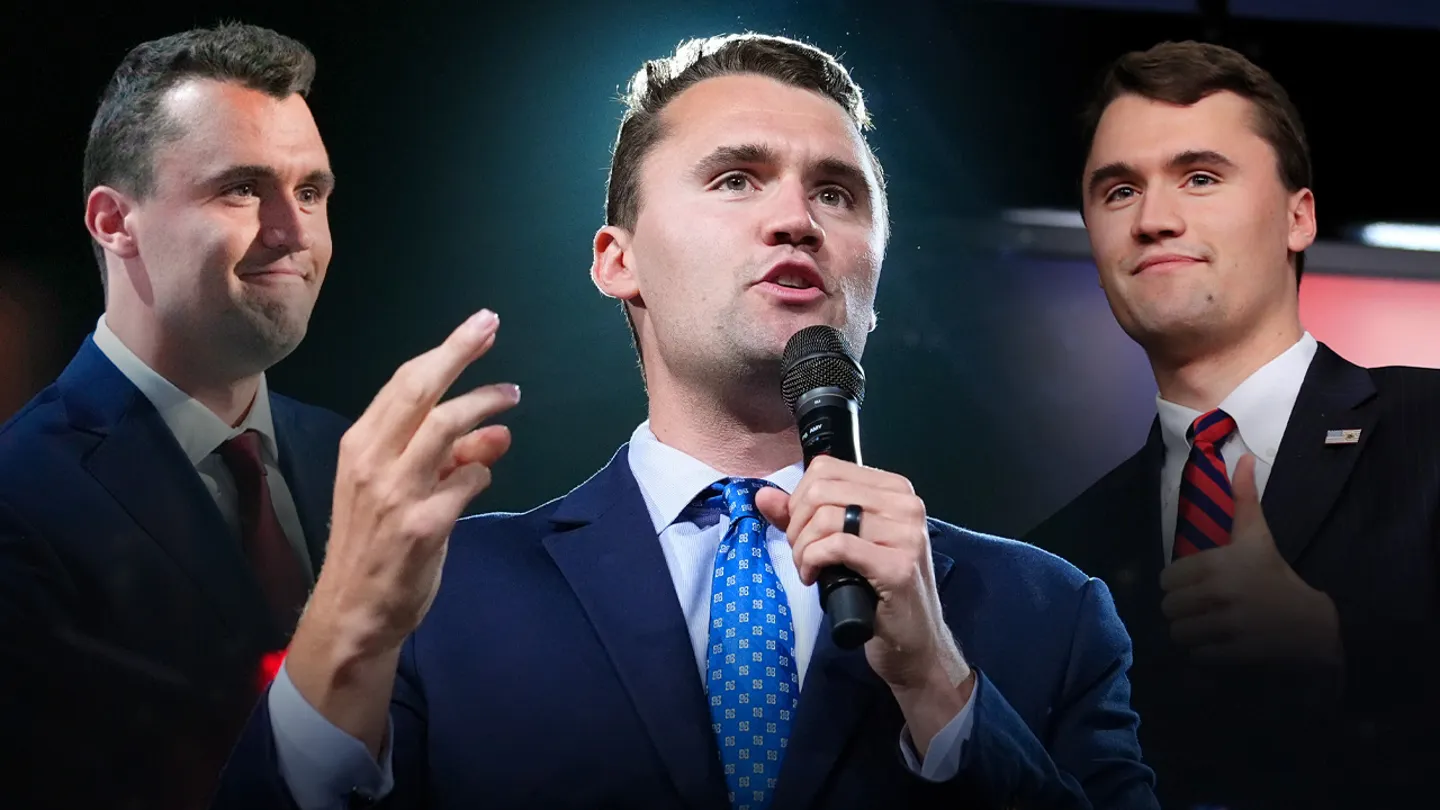
The shift from a “Peace Through Strength” platform to active regional warfare has shocked the isolationist wing of the GOP. Blake Neff, longtime producer for the late Turning Point USA founder Charlie Kirk, reported that the MAGA faithful are in a state of “total meltdown.”
“Trump/Vance ran on a peace platform, and it was popular,” Neff wrote on X (formerly Twitter). He revealed that his private messages are flooded with disillusioned supporters, quoting some as saying, “F*** this,” and “Never voting in a national election again.”
The backlash centers on a perceived betrayal of Trump’s 2024 campaign promise to end “endless wars.” For many, the specter of a trillion-dollar occupation and a new refugee crisis outweighs the tactical success of the strikes.
Constitutional Crisis: Bypassing the Hill
While the White House argues the strikes were necessary to “annihilate” Iran’s nuclear ambitions, legal experts and lawmakers are calling the move a flagrant violation of the 1973 War Powers Resolution.
- No Congressional Briefing: Leading Democrats and several “maverick” Republicans, including Rep. Thomas Massie (R-KY), claim the administration provided “zero” notice to the Gang of Eight before the first missiles hit Tehran.
- Executive Overreach: Senator Tim Kaine (D-VA) characterized the initiation of the conflict as a “colossal mistake” and an “illegal war,” moving to fast-track a resolution to block further funding for the operation.
- National Security Justification: In a March 2 letter to Congress, Trump defended the unilateral action, citing “untenable” threats to U.S. interests and the failure of indirect nuclear talks in Muscat earlier this year.
Escalation and Economic Risk
The battlefield is expanding rapidly. Iran has responded with missile and drone volleys targeting U.S. bases in Qatar, Bahrain, and Kuwait. Furthermore, the strategic Strait of Hormuz—the artery for 20% of the world’s oil—has been effectively shuttered by maritime mining and naval skirmishes.
Energy analysts warn that if the conflict drags into the “four to five weeks” Trump projected on Monday, global oil prices could see a historic spike, threatening the very domestic economic recovery that buoyed his return to power.
What’s Next?
The Senate is expected to vote on a War Powers Resolution later this week, a move that will force every Republican to choose between loyalty to the Commander-in-Chief or the “non-interventionist” principles that defined the 2024 campaign. As the smoke clears in Tehran, the larger question remains: Can Trump’s coalition survive a war it never asked for?