

Researchers at UVA Health in Virginia have identified the first documented death caused by alpha-gal syndrome (AGS) — a severe allergy triggered by tick bites. The case involved a 47-year-old New Jersey man who died last summer after eating a hamburger, just weeks after a similar reaction from consuming steak.
According to the UVA Health report, the earlier incident caused intense abdominal pain, vomiting and diarrhea several hours after the meal. At the time, the fatal episode was initially categorized as a “sudden unexplained death” until Dr. Thomas Platts-Mills determined it was due to a severe allergic response. The findings were published in The Journal of Allergy and Clinical Immunology: In Practice.
AGS — often called “red-meat allergy” or “tick bite meat allergy” — follows the bite of the Lone Star tick, which is most common in Southeastern and Eastern regions of the U.S., according to the Centers for Disease Control and Prevention. The tick’s saliva introduces a sugar molecule called alpha-gal into the body, which can trigger allergic reactions to red meat such as beef, pork, lamb, rabbit or venison, as well as other mammal-derived products including milk, cheese and gelatin.

Reactions may appear within several hours after eating and can range from mild to very severe. Reported symptoms include rash, nausea, itching, swelling of the lips or throat and, in some cases, wheezing or shortness of breath, according to Mayo Clinic.
Fatal cases are considered extremely rare, making this New Jersey incident the first to be directly attributed to AGS. Platts-Mills noted that other contributors — such as recent exercise, ragweed exposure and a beer consumed with the meal — may have intensified the reaction.
He warns that sudden, severe abdominal pain three to five hours after eating beef, pork or lamb should be evaluated as a possible allergic emergency. Tick bites that remain itchy for more than a week may also heighten sensitivity to mammal-based foods.
Diagnosis of AGS requires a clinical examination and antibody testing. Many patients wait years before receiving answers — an average of seven years — partly due to limited access to specialists, said Dr. Johanna Salzer, a CDC epidemiologist who authored a 2023 report on the condition.
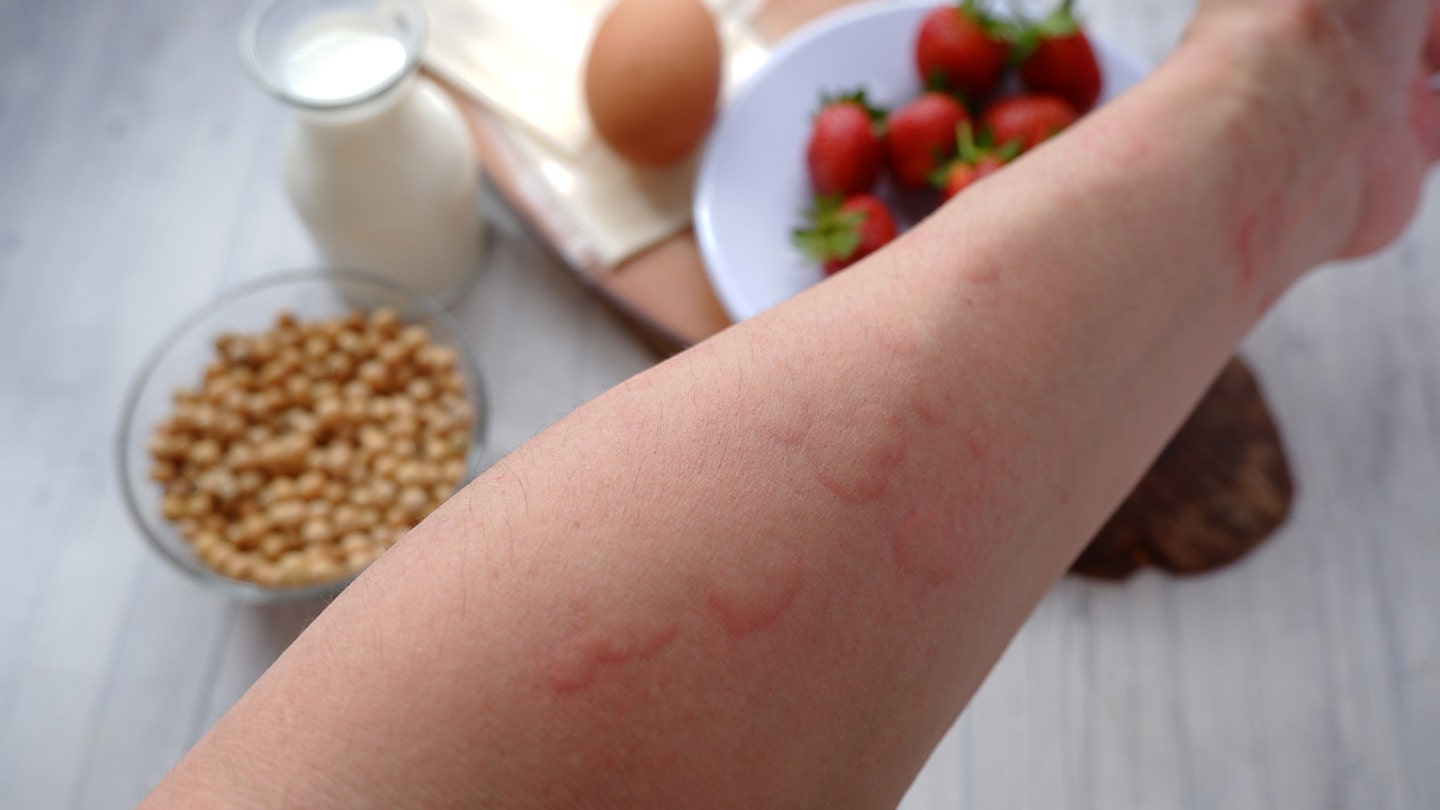
Although there is no cure or direct treatment, symptom management is possible. Those with serious reactions may be prescribed an epinephrine auto-injector to prevent anaphylaxis.
How to Reduce the Risk of Tick Bites
Experts recommend taking preventive measures when spending time outdoors in areas where ticks are active:
- Use EPA-approved repellents containing DEET, picaridin, IR3535, Oil of Lemon Eucalyptus (OLE), para-menthane-diol (PMD) or 2-undecanone
- Wear long sleeves, pants and socks
- Avoid tall grasses, brush and heavily wooded areas
- Perform a thorough tick check and shower after outdoor activity
Platts-Mills urges both healthcare providers and residents in high-risk regions to be alert to unusual symptoms following red-meat consumption. He emphasizes that anyone experiencing unexplained abdominal distress several hours after eating mammalian meat should be evaluated for potential sensitivity to alpha-gal.