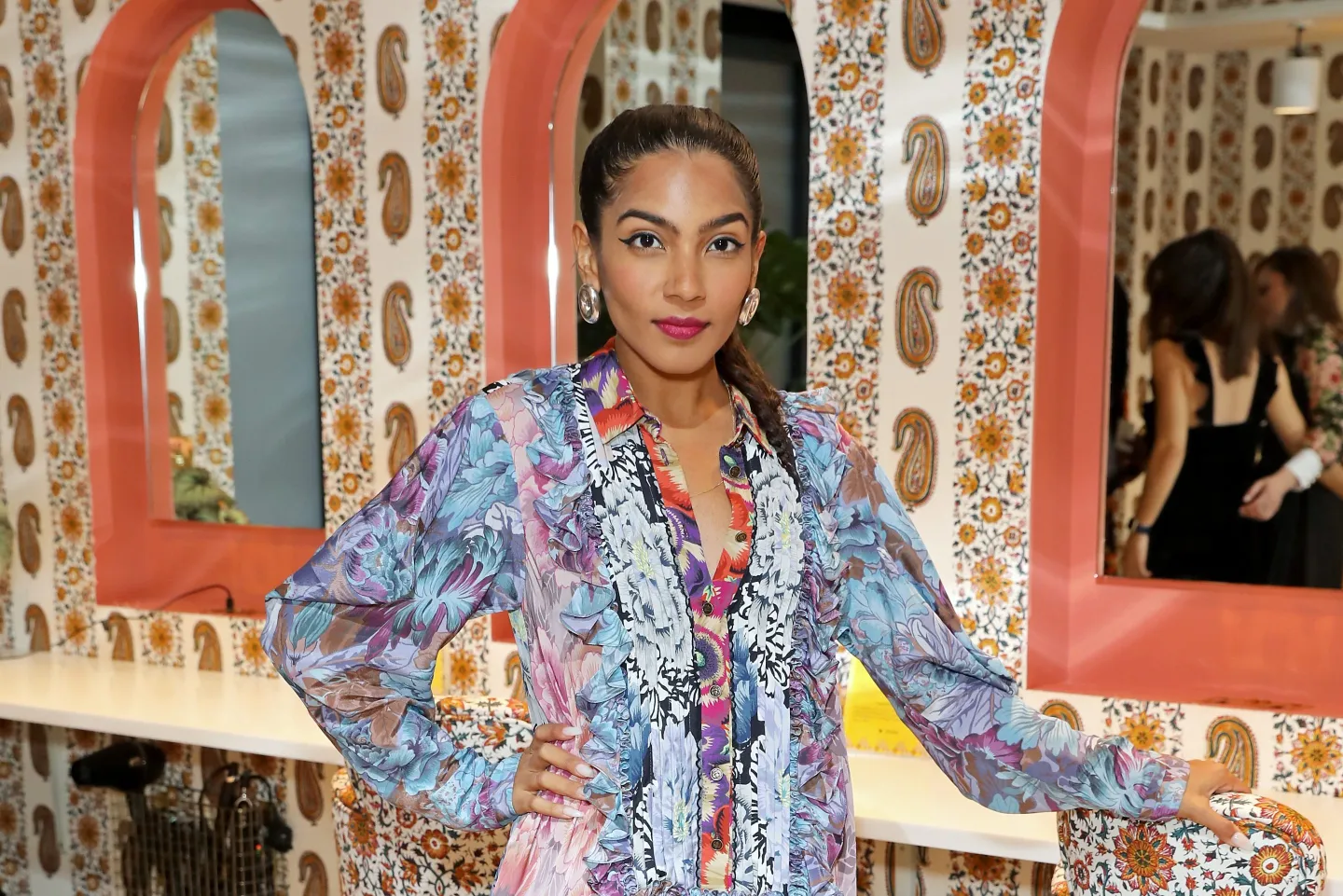

When Zohran Mamdani surprised New York City’s political establishment by unseating former Governor Andrew Cuomo in the Democratic primary and then winning the mayoral election, many observers pointed to his viral appeal and popularity among young voters. But behind the 34-year-old assemblyman’s historic rise was a communications strategist who helped redefine how the campaign connected with the city: Zara Rahim, a seasoned expert in digital strategy and political messaging.
Serving as a senior adviser to Mamdani since February, Rahim championed one message early on: stop relying on a polished, consultant-driven version of New York and connect with the real city. That perspective would fuel a grassroots movement that mobilized more than 90,000 volunteers and energized communities long dismissed by traditional campaigns.
A Career Spanning Politics, Tech, and Culture
Rahim, now 35, is a first-generation Bangladeshi American from South Florida who entered politics during Barack Obama’s 2012 reelection effort. What began as an internship quickly turned into a key role as Florida Digital Content Director, where she learned how to use social platforms to register voters and inform them about key issues. She later worked in the White House Office of Digital Strategy before joining Uber and focusing on ride-share policy.
Her résumé continued to evolve as she joined Hillary Clinton’s 2016 presidential campaign and then shifted into the cultural space as Communications Director at Vogue from 2017 to 2018. Her experience collaborating with major figures across fashion, art, and entertainment sharpened her instincts for compelling storytelling—skills that would later shape Mamdani’s public presence. In recent years, she has operated independently, consulting for clients including A24, Mariah Carey, and Netflix.
A Strategy Rooted in Authenticity and Community
At the heart of Rahim’s approach for Mamdani was authenticity: speaking directly to multicultural communities too often overlooked in New York politics. The campaign’s social media strength was paired with intensive in-person interactions, including visits to neighborhoods where candidates rarely show up. Mamdani frequently addressed residents in languages such as Spanish and Hindi, making clear that immigrant and working-class communities were central—not peripheral—to his vision of the city.
These were, as Rahim described, “Bangladeshi uncles and West African aunties who had never voted in a primary for a mayor.” For many, seeing a candidate show up in mosques and community centers signaled they were finally being treated as voters who mattered. New York City is home to roughly one million Muslims, many of whom saw their lived experiences reflected in Mamdani’s campaign.
Rahim also guided the team’s rapid response strategy. When Cuomo’s remarks were widely criticized as Islamophobic, she publicly challenged his rhetoric, calling out the framing as an attempt to divide Muslim voters rather than engage them.
A Volunteer Army and a New Model for Organizing
Rahim worked alongside a talented team including Maya Handa, Tascha Van Auken, and Faiza Ali. Van Auken, the field director, helped lead an enormous volunteer mobilization effort—door-knockers made 1.6 million contacts during the primary alone, leading to nearly a quarter-million conversations with voters. The campaign’s videos earned tens of millions of views, but organizers emphasized that online momentum never replaced genuine human connection.
The operation blended modern digital reach with the relational organizing that once defined transformative political movements—proving that social media power and meaningful community engagement can go hand in hand.
Looking Ahead to City Hall
After Mamdani’s victory on November 4, he announced a transition team composed entirely of women, including Rahim. She will work alongside former Federal Trade Commission chair Lina Khan, former Deputy Mayor Maria Torres-Springer, United Way President Grace Bonilla, and former Deputy Mayor Melanie Hartzog. Together, they will help guide the incoming administration.
On January 1, 2026, Mamdani will take office as New York City’s first Muslim mayor, first South Asian mayor, and the youngest to lead the city in more than 100 years—thanks in part to a campaign that refused to overlook the people who make the city what it is.