
Minnesota Democratic Governor Tim Walz said Tuesday that he expects federal immigration raids in the state to wind down within days, not weeks, after weeks of unrest in the Twin Cities.
Walz said he spoke Tuesday morning with the Trump administration’s border czar, Tom Homan, and White House chief of staff Susie Wiles, and that those conversations informed his belief that federal operations would ease soon.
“I would hope that Mr. Homan goes out before Friday and announces that this thing is done,” Walz said. “That would be my expectation.”
Earlier Tuesday, lawmakers on Capitol Hill questioned leaders of the Department of Homeland Security agencies overseeing the Minnesota operation, which has included sweeping immigration arrests and the deaths of two U.S. citizens who were shot by federal agents.
Why It Matters
Walz has sharply criticized the Trump administration’s actions in Minnesota, which grew out of investigations into alleged fraud involving Somali immigrants. Tensions escalated after Renee Good, a U.S. citizen, was shot while sitting in her car by an ICE agent on January 7. Walz and Minneapolis Mayor Jacob Frey called for agents to leave, but operations continued amid ongoing protests. Later in the month, VA nurse Alex Pretti was also shot and killed.
What To Know
Walz said Tuesday that he was in a “trust but verify” posture regarding the possibility that hundreds of agents could pull back from Minneapolis and St. Paul, adding that more specifics were likely in the coming days.
Last week, Homan—who was sent to the Twin Cities to take over operations from Border Patrol official Gregory Bovino—said 700 of roughly 3,000 federal agents in the area would be withdrawn. He attributed the shift in part to increased cooperation from local law enforcement.
Homan said at a news conference last Wednesday that he was not asking local agencies to serve as immigration officers and that jails were not required to hold people beyond their mandated time—an issue raised by multiple sanctuary jurisdictions. He said improved communication would make it easier to transfer individuals into ICE custody.
Walz also said Tuesday that he expects state officials will be allowed to participate in investigations into the deaths of Good and Pretti, after weeks of claims that state authorities had been frozen out by federal officials.
What Is Operation Metro Surge?
Operation Metro Surge is the latest in a series of targeted federal operations in major U.S. cities as part of the Trump administration’s immigration crackdown.
Agents were deployed to Minnesota in December from across the country to locate and detain suspected unauthorized immigrants with criminal records, while also pursuing the alleged fraud investigations involving Somali immigrants. The effort has involved about 3,000 personnel from ICE and the Border Patrol, conducting arrests in residential neighborhoods and at businesses.
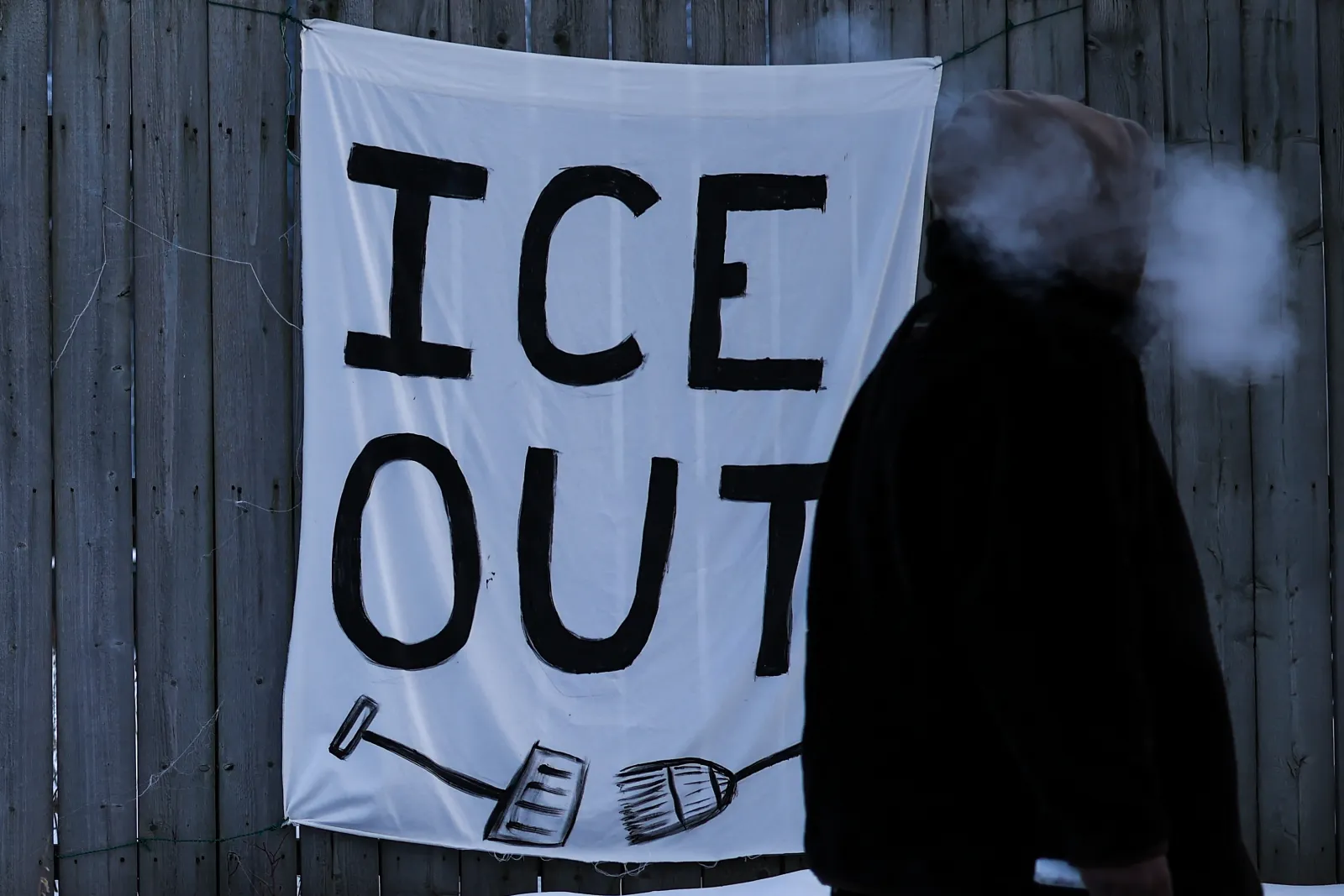
As in other operations in cities such as Chicago and Los Angeles, federal agents have clashed with protesters and local leaders who argue the tactics are overly aggressive.
Protests intensified after the deaths of Good and Pretti. Administration officials initially suggested both individuals were responsible for their own deaths, despite limited time for investigation.
At Tuesday’s congressional hearing, acting ICE director Todd Lyons faced questions about the January 7 shooting that killed Good. Asked whether he would apologize for officials labeling her a domestic terrorist, Lyons said he would not, adding that he would welcome the chance to speak privately with the family but would not comment on an active investigation.
What People Are Saying
Acting ICE director Todd Lyons said Tuesday: “We’ve seen a de-escalation in protests, so our agents can do their intelligence-driven enforcement operations. Just the other night, local law enforcement arrested 54 protestors and ICE officers didn’t have to be engaged.”
Minnesota Democratic Rep. Angie Craig wrote on X Tuesday that she was not surprised Trump officials would not apologize to the families of Good and Pretti.
What Happens Next
A formal announcement on the next stage of the Minnesota operation has not yet been made.