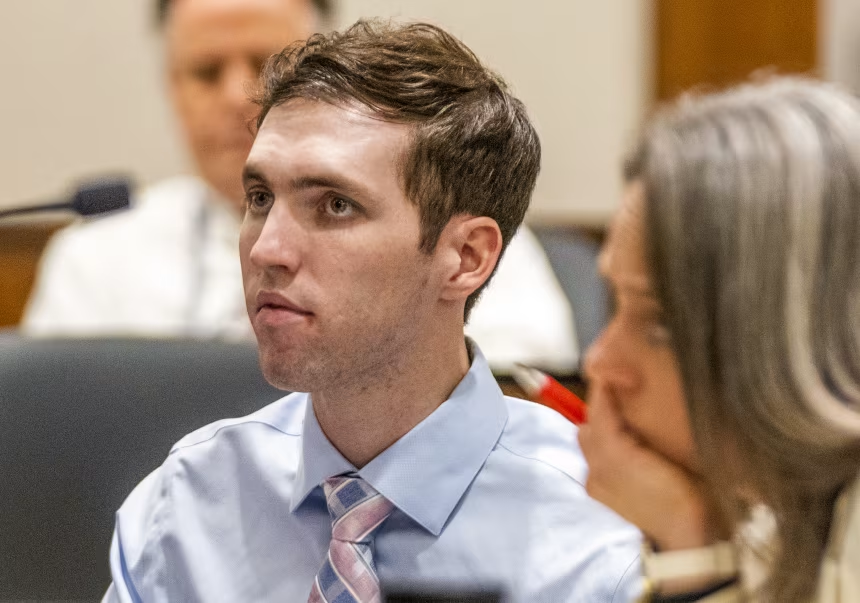

A Utah judge is set to decide whether cameras should be barred from court proceedings in the high-profile murder case of Charlie Kirk, as defense attorneys argue extensive media coverage could jeopardize the accused’s right to a fair trial.
Attorneys for Tyler Robinson told the court Friday that continued video and audio coverage risks tainting the jury pool. Lead defense lawyer Michael Burt argued that unless cameras are removed, Robinson’s constitutional rights could be compromised.
The defense presented examples of what it described as “speculation and sensationalism,” including segments analyzing Robinson’s courtroom demeanor. Expert witnesses testified that such coverage—especially if predominantly negative—can influence how jurors interpret evidence, a phenomenon known as the “primacy effect.”
Cognitive psychologist Christine Ruva told the court that early exposure to biased information can shape jurors’ memory and deliberations, potentially undermining impartiality.
Prosecutors countered that public access, including cameras, is critical to ensuring transparency in a case that has drawn national attention. Chad Grunander argued that open proceedings are the best defense against misinformation.
“Mischief lurks in the dark,” Grunander said, warning that restricting coverage could fuel conspiracy theories.
A coalition of media organizations, along with Erika Kirk, supports keeping cameras in the courtroom.
Kirk was fatally shot during a Turning Point USA event at Utah Valley University in September, in front of a large audience. Robinson later surrendered to authorities following a manhunt lasting more than 30 hours.
He faces multiple charges, including aggravated murder, firearm-related offenses, obstruction of justice, and witness tampering. Prosecutors have indicated they will seek the death penalty. Robinson has not yet entered a plea.
The court also heard arguments over delaying a preliminary hearing scheduled for May. Defense attorneys say they have not received key evidence, including a DNA analysis report, and need additional time to prepare.
Prosecutors rejected the request, stating the hearing’s purpose is limited to establishing probable cause—not determining guilt—and warned that delays could extend proceedings by months.
Judge Tony Graf said he will rule on both the camera ban and the request to delay the hearing on May 8, decisions that could shape the trajectory—and public visibility—of one of Utah’s most closely watched criminal cases.