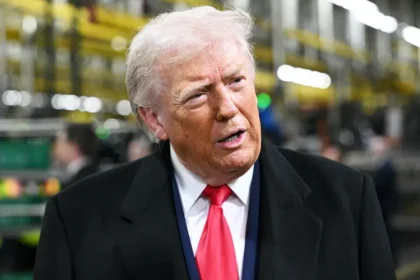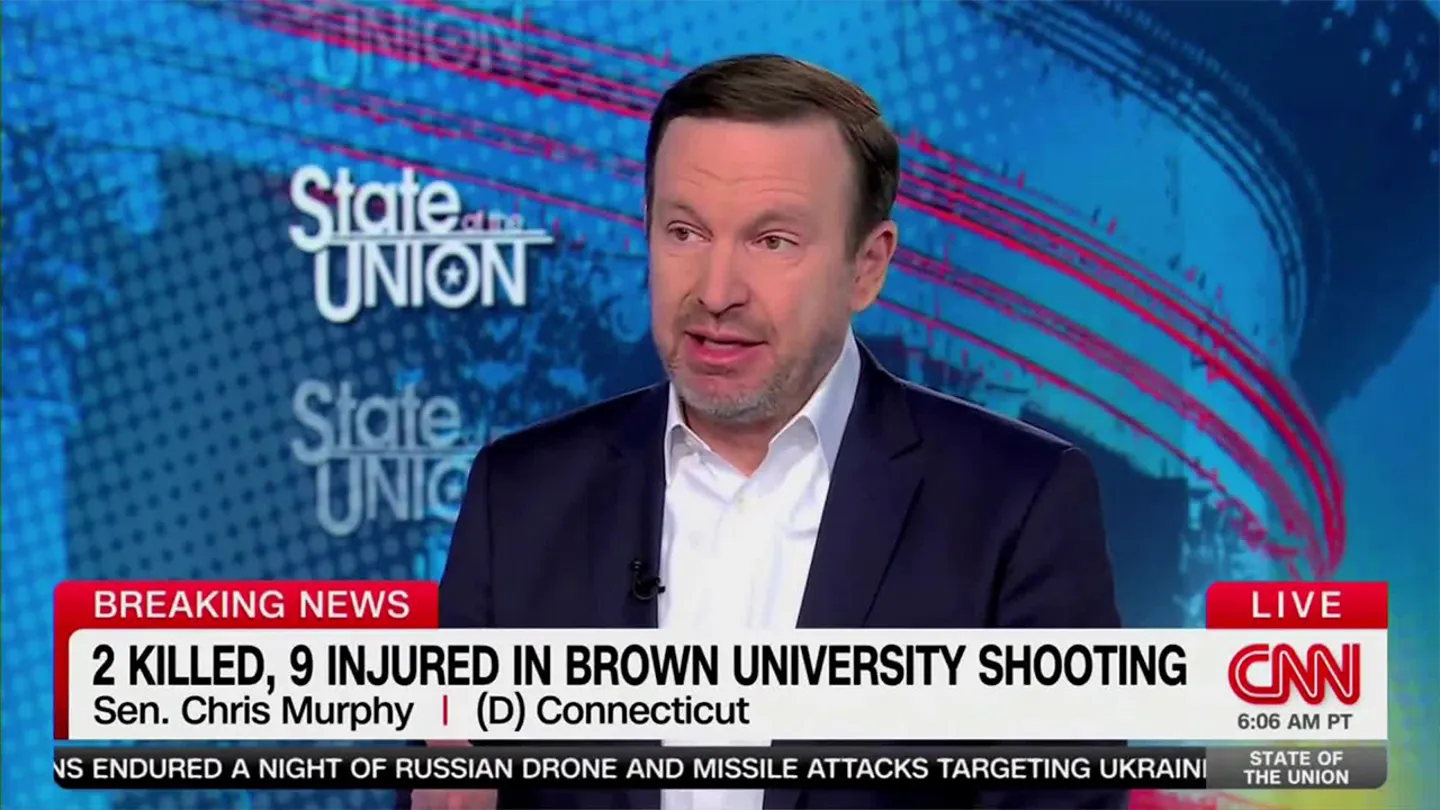

Sen. Chris Murphy said President Donald Trump has been engaged in what he called a “pretty deliberate campaign” to make violence more likely in the United States, pointing to a series of policy moves on guns and community safety as the country processed another high-profile campus shooting.
Murphy, a Connecticut Democrat and longtime gun-safety advocate, made the remarks on CNN’s State of the Union in an interview that aired Sunday, December 14, 2025—on the 13th anniversary of the Sandy Hook Elementary School massacre in his home state. (transcripts.cnn.com)
The comments came hours after authorities announced a breakthrough in the investigation into the Brown University shooting in Providence, Rhode Island, where a gunman killed two people and wounded nine others. (The Independent)
“Knowable and foreseeable”
Asked about the shooting, Murphy argued that recent federal decisions have increased the likelihood of violence. On air, he said the president had been on a “dizzying” track over the prior year, including steps he claimed restored gun rights to some dangerous individuals, dismantled a White House gun-violence office, and halted funding for mental health and community anti-violence programs. (transcripts.cnn.com)
“He has been engaged in a pretty deliberate campaign to try to make violence more likely in this country,” Murphy said, adding that the consequences would show up “on the streets of America.” (transcripts.cnn.com)
When pressed on the size of the accusation, Murphy doubled down, saying the effects were “knowable” and “foreseeable” if government support for mental health and violence-interruption programs is reduced while access to guns is expanded. (transcripts.cnn.com)
Murphy’s Senate office later posted a write-up of the interview and his broader argument tying federal policy choices to the risk of future violence. (Chris Murphy)
The White House response
The White House rejected Murphy’s framing. According to reporting on Monday, deputy press secretary Abigail Jackson accused Murphy and other Democrats of using inflammatory rhetoric, arguing that such language had contributed to threats and assaults—particularly against federal immigration enforcement. (The Independent)
Jackson also pointed to recent incidents of political violence and unrest, describing what she called a broader problem with “the Violent Left,” and said Murphy should “take a look in the mirror” before making his claims. (The Independent)
A renewed debate after another campus attack
The Brown University shooting—coming as students were in the middle of final exams—immediately reignited arguments over firearms, public safety, and political responsibility. News coverage over the weekend described a large law-enforcement response and rapidly shifting investigative leads as officials worked to identify the shooter. (The Independent)
Murphy has spent more than a decade pushing for stricter gun-safety measures, particularly after Sandy Hook. In 2022, he helped negotiate a bipartisan package aimed at strengthening background-check procedures for certain buyers and funding community safety and mental health initiatives—an effort he referenced as a model for what he believes the federal government should expand, not roll back. (transcripts.cnn.com)
On Sunday’s broadcast, Murphy said he would still look for bipartisan openings, noting that major legislation has sometimes appeared impossible until it suddenly isn’t. (transcripts.cnn.com)
What Murphy says should happen next
Murphy’s core claim was that preventing violence requires sustained investment in mental health services and evidence-based community interventions—alongside policies that limit access to guns for people deemed dangerous. (transcripts.cnn.com)
He also argued that political leaders’ rhetoric matters, especially in the aftermath of mass shootings and amid heightened partisan tension. (The Independent)
For now, the clash underscores how quickly national tragedies turn into competing narratives: one side arguing policy rollbacks and inflammatory politics are making violence more likely, the other insisting the real problem is opponents’ rhetoric—and refusing to concede responsibility.