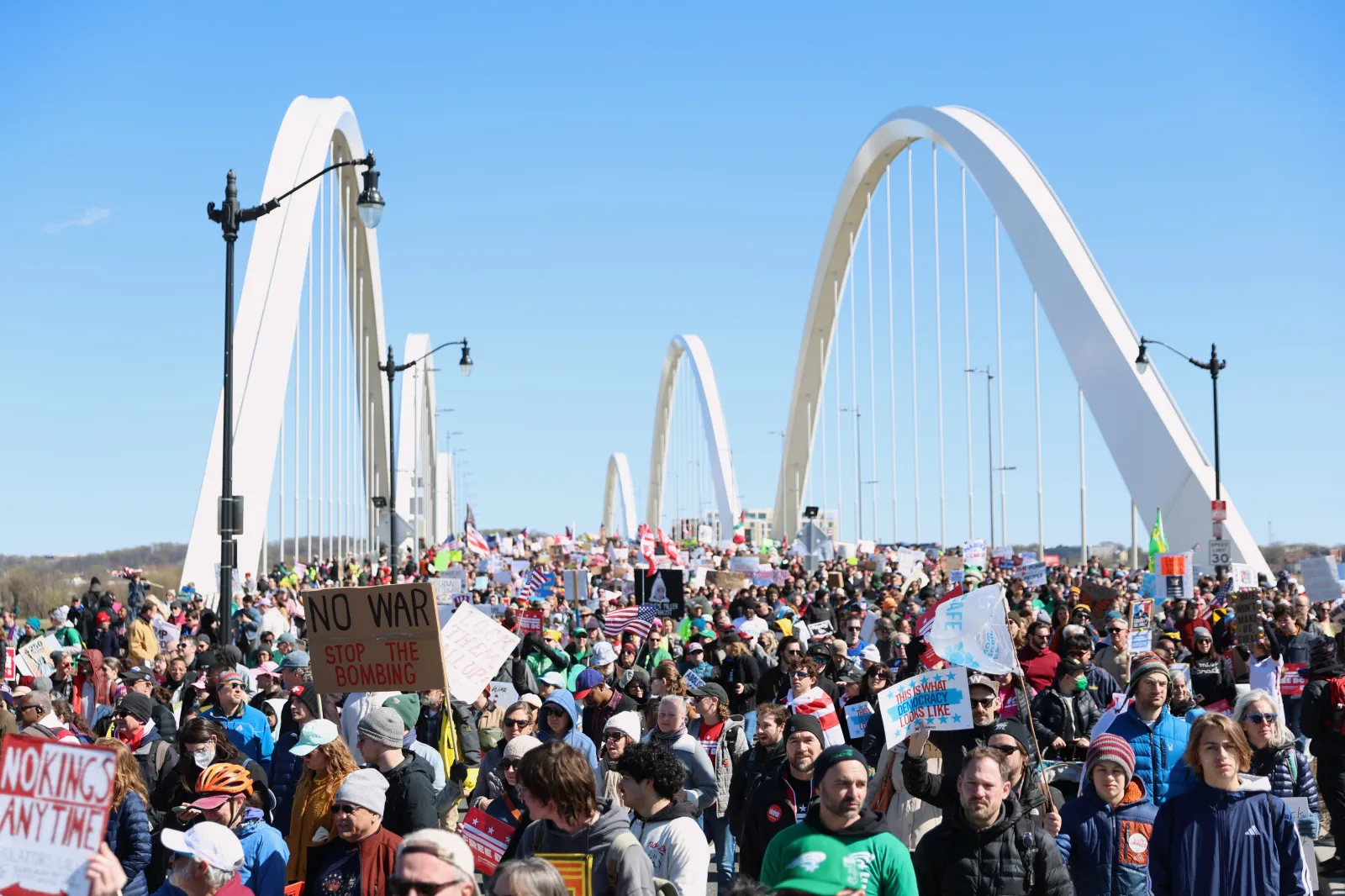

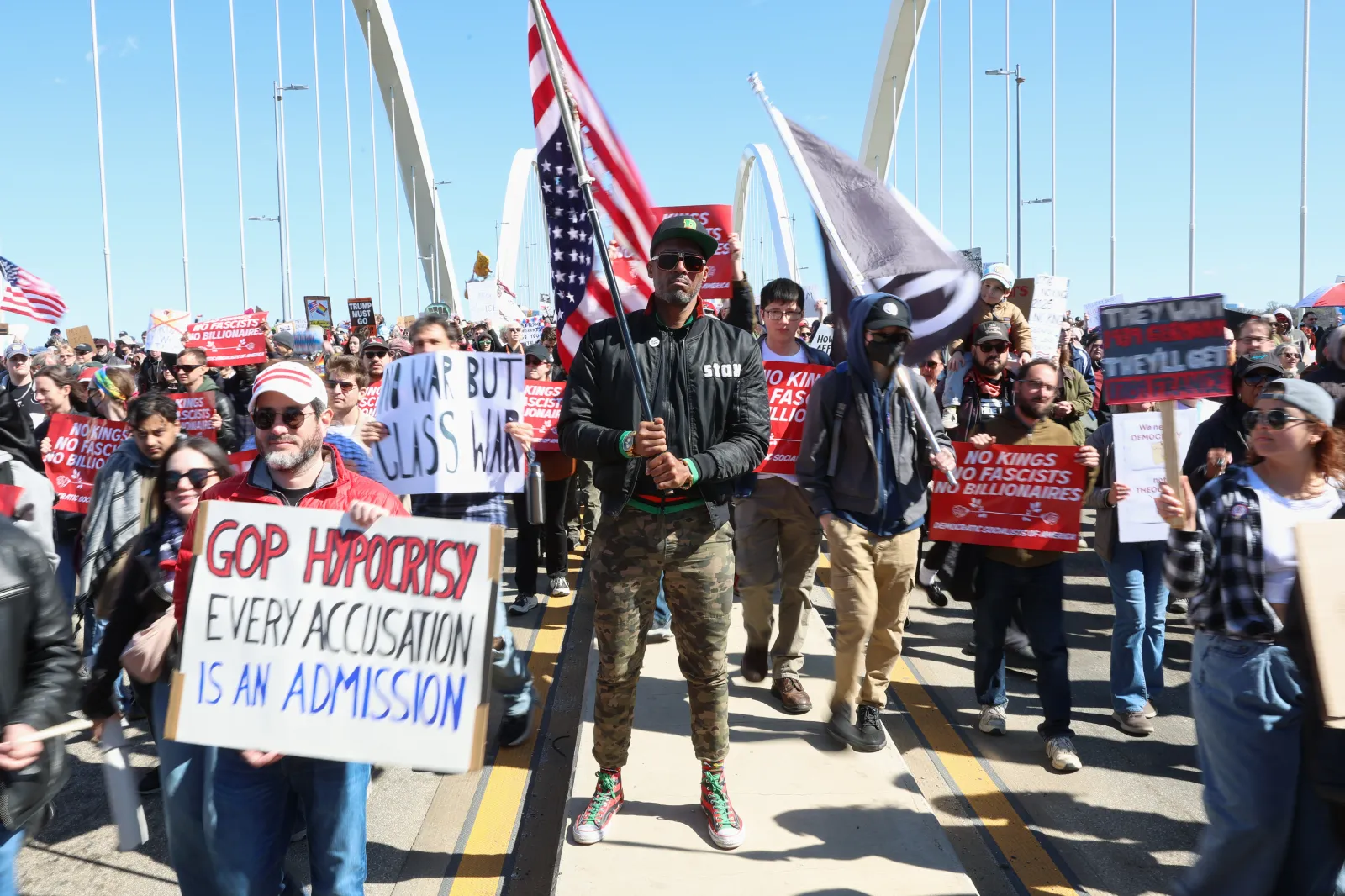
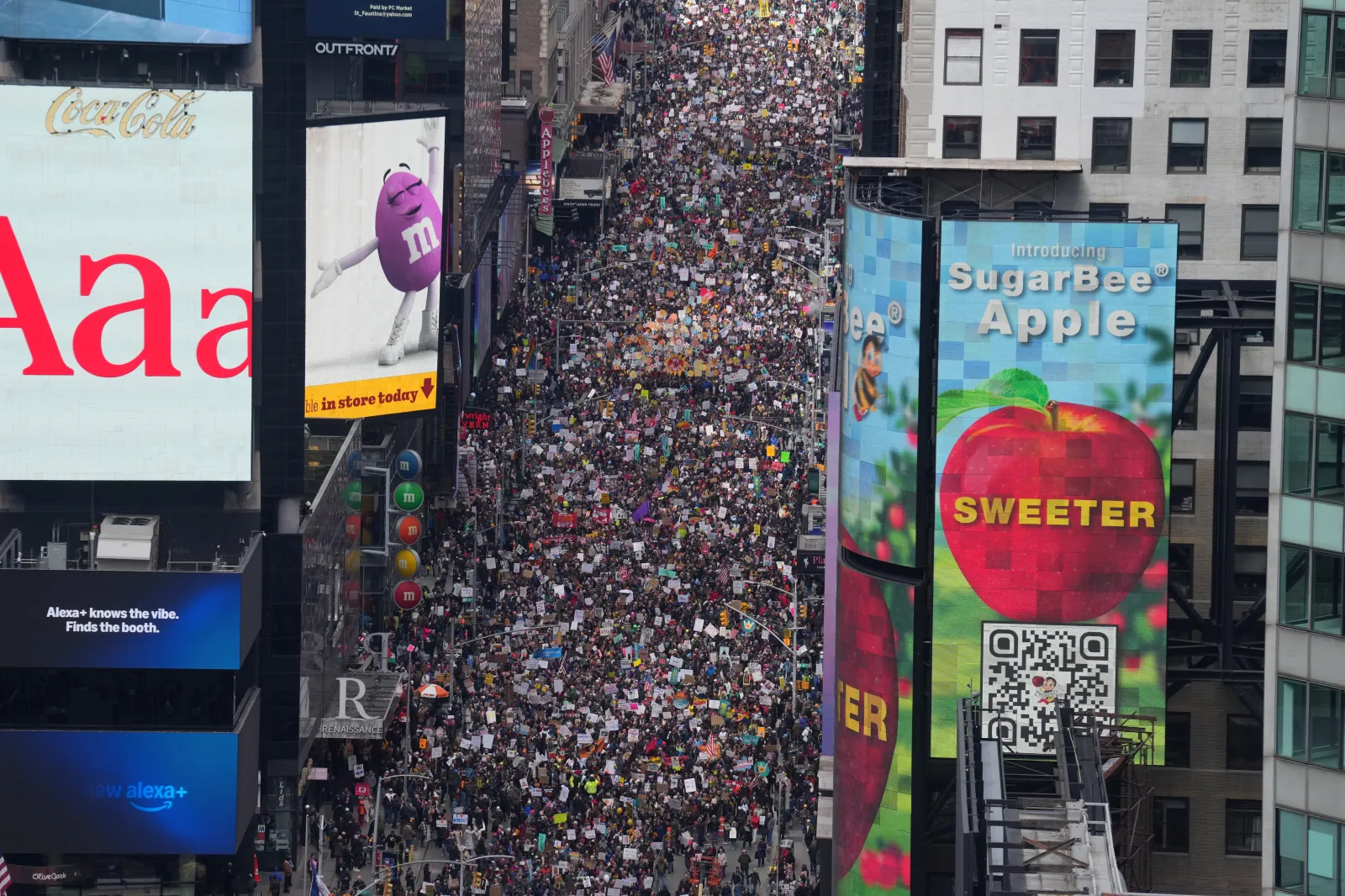
Millions of Americans mobilized across all 50 states on Saturday for the third wave of “No Kings” protests, marking what analysts describe as one of the largest single-day demonstrations in modern U.S. history. The coordinated effort signals a deepening national rift over the Trump administration’s military engagement in Iran and aggressive domestic immigration enforcement.
A Global Mandate for Accountability
While rallies paralyzed major hubs like Washington, D.C. and New York City, the movement’s flagship event took place at the Minnesota State Capitol in St. Paul. Organizers reported an estimated 200,000 attendees in the Twin Cities alone.
The protests have evolved from localized urban demonstrations into a broad-based coalition. Key grievances driving the March 28 mobilization include:
- Operation Epic Fury: Escalating military action in Iran.
- Immigration Overreach: Recent enforcement actions that critics label as executive overreach.
- Civil Rights Alarms: The January fatal shootings of U.S. citizens by federal agents in Minnesota served as a primary catalyst for the St. Paul focus.
White House and GOP Push Back
The Trump administration maintained a defiant stance, dismissing the scale and intent of the demonstrations. White House spokesperson Abigail Jackson characterized the rallies as “Trump Derangement Therapy Sessions” orchestrated by “leftist funding networks.”
Simultaneously, the National Republican Congressional Committee (NRCC) adopted a more aggressive rhetorical line. Spokesperson Maureen O’Toole labeled the gatherings “Hate America Rallies,” alleging they provide a platform for “violent, deranged fantasies.”
The Geographic Shift
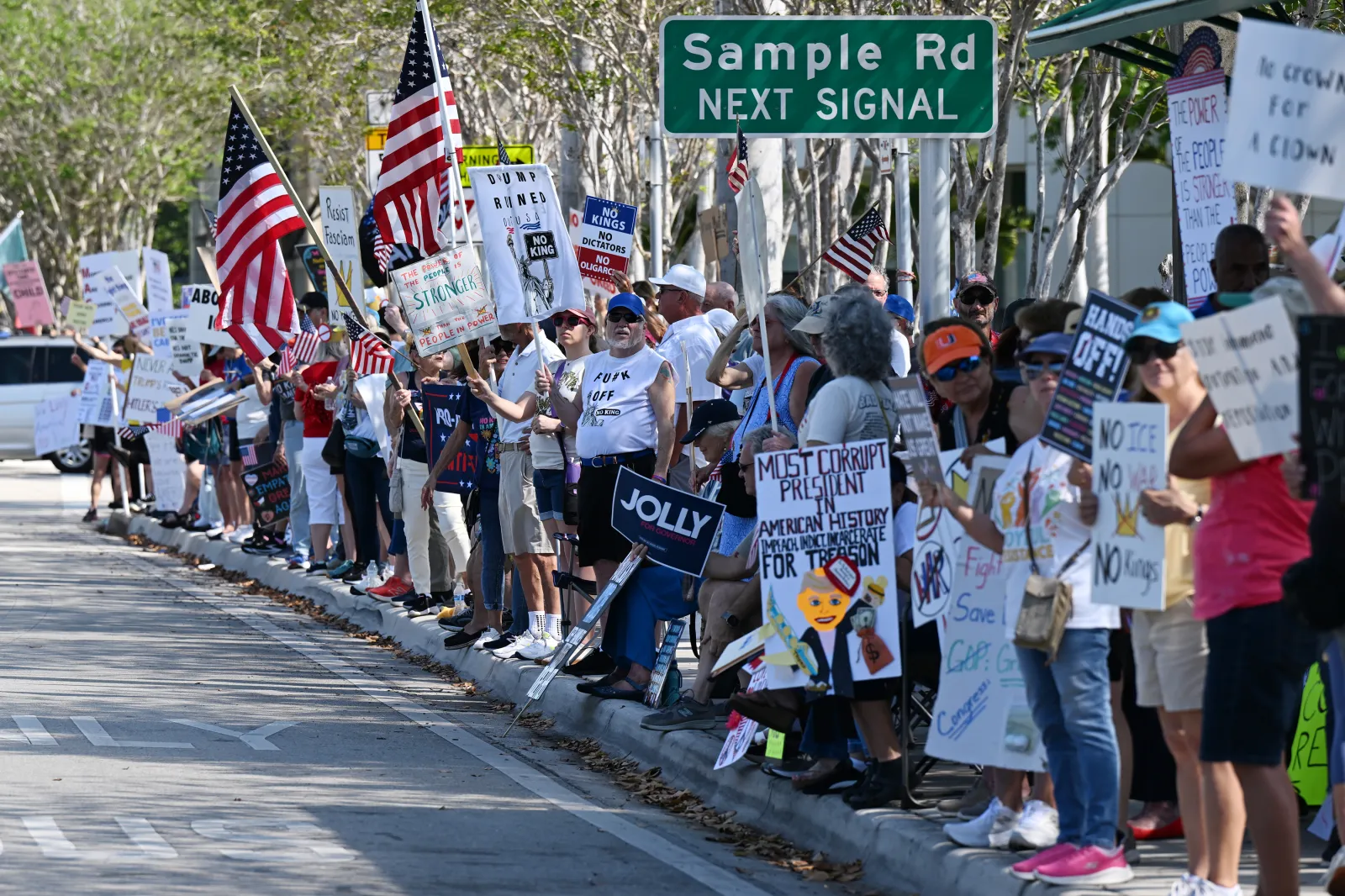
Data indicates that the “No Kings” movement is no longer confined to “blue” coastal bastions. Significant rallies were documented in:
- The South: Florence, Alabama and Nashville, Tennessee.
- New England: Lexington, Massachusetts and various Connecticut municipalities.
- International: Solidarity marches in London, Paris, Rome, and Berlin.
Leah Greenberg, co-executive director of Indivisible, noted that the defining characteristic of this round is the demographic expansion. “The story is not just how many are protesting, but where they are protesting,” Greenberg stated, pointing to increased participation in traditional GOP strongholds.
Cultural Resonance and Political Fallout
The St. Paul rally gained significant cultural momentum with a performance by Bruce Springsteen, who debuted “Streets of Minneapolis.” The song specifically addresses the deaths of citizens at the hands of federal agents earlier this year, a flashpoint that has galvanized the progressive base.
As the administration prepares for a potential 2026 electoral challenge, researchers suggest the “No Kings” movement could serve as a precursor to sustained civic engagement and voter mobilization.