
Denmark has, for the first time, named the United States as one of the security challenges facing the country in its annual risk assessment, published Wednesday.
The report by the Danish Defence Intelligence Service (DDIS) states that the U.S. is “now using its economic and technological strength as an instrument of power, including toward allies and partners.”
The assessment further warns that uncertainty about the U.S. role in European security could encourage Russia to step up hybrid operations against NATO countries, which have already accused Moscow of repeated drone and aircraft incursions into their airspace.
Why Danish Concerns Matter
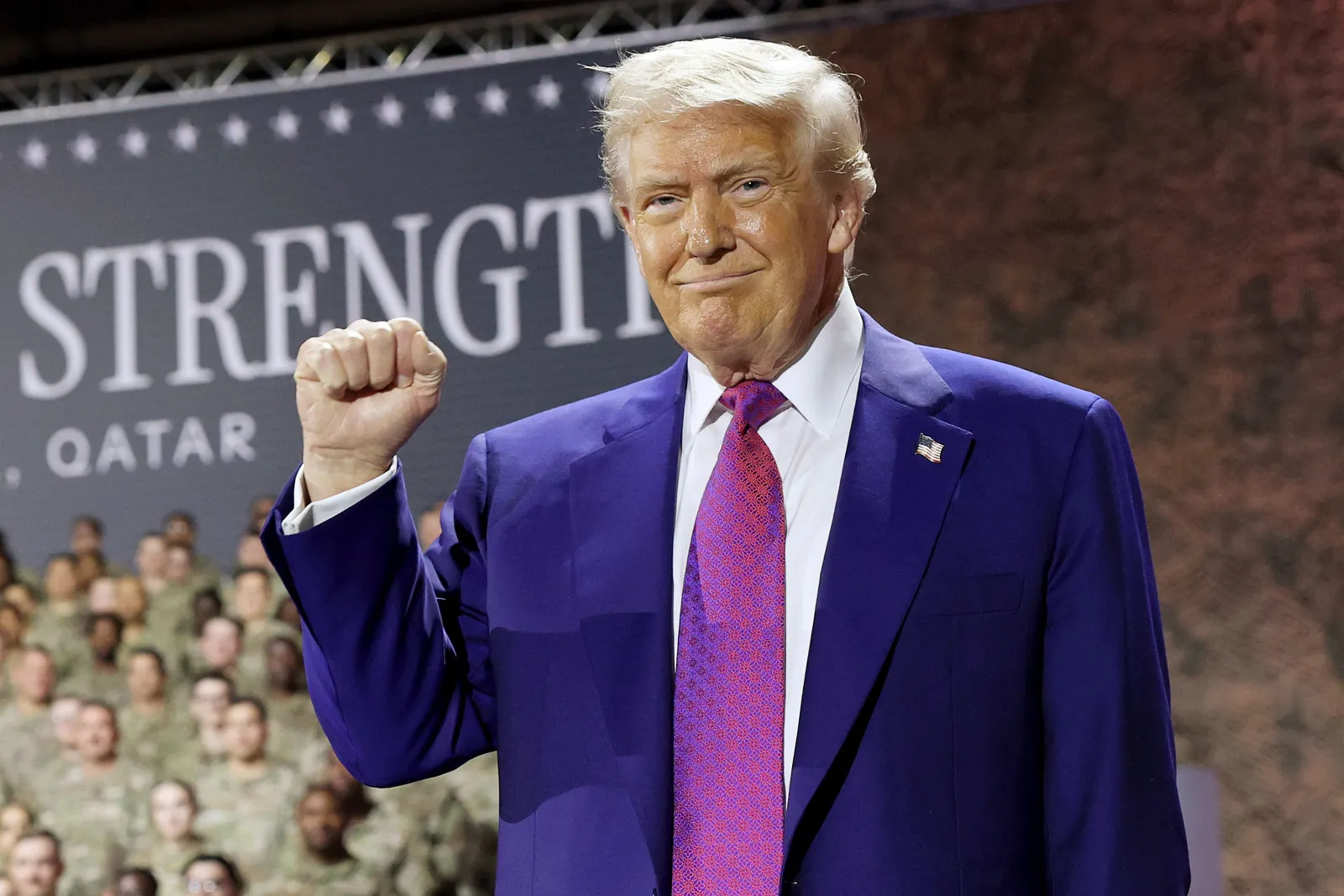
The new evaluation follows a November report by the Danish newspaper Politiken that the government had set up a night-watch alert system to track whether Donald Trump would make public comments about Greenland. That move came after Trump suggested he would not rule out military or economic pressure to gain control of the autonomous territory.
By concluding that there is “uncertainty about the U.S. role as guarantor of Europe’s security,” the DDIS reflects growing anxiety in Copenhagen—shared by other European NATO members—about how committed Trump would be to defending the continent in a future crisis, especially as the alliance faces mounting pressure from Russia.
Key Takeaways from the Report
The DDIS report, released Wednesday and widely covered in Danish media, highlights intensifying great-power competition between the U.S., China and Russia in the Arctic and in Greenland, the autonomous territory sought by Donald Trump that is part of the Kingdom of Denmark.
“The region’s strategic importance is growing as the conflict between Russia and the West intensifies. The United States’ stated security focus on the Arctic will accelerate this development,” the report said in its original Danish.
“The increased great-power competition in the Arctic has significantly heightened international attention on the region.
“This applies especially to the United States’ growing interest in Greenland and its importance for U.S. national security. This attention also increases the threat of espionage, including cyber espionage, and attempts at influence against all parts of the Kingdom of Denmark.”
The agency also found that the risks posed by Russia and China in the region have “become more serious,” noting that Beijing’s use of economic and military leverage continues to challenge Western influence in the Arctic and in Greenland.
Rasmus Sinding Søndergaard, an expert on Danish–U.S. relations, told Newsweek last month that Danish officials remain deeply uneasy about what Trump might attempt next regarding Greenland.
According to Søndergaard, the government has observed a shift in Trump’s approach over the past year—from “outlandish remarks about taking Greenland with force” to trying to persuade Greenlanders themselves with promises of economic benefits from closer partnership.
“There’s a clear sense that Trump is still very much committed to this idea of getting control over Greenland,” Søndergaard said.
How Officials Are Reacting
In its assessment, the Danish Defence Intelligence Service writes: “The United States uses economic power, including threats of high tariffs, to enforce its will, and no longer rules out the use of military force, even against allies.”
Rasmus Sinding Søndergaard, a senior researcher at the Danish Institute for International Studies (DIIS), told Newsweek on November 28: “The Danish government and Danish authorities remain very much concerned about what Trump might do next in relation to Greenland.”
What Comes Next
The DDIS report does not suggest that Denmark faces an imminent military attack. However, by formally listing the U.S. as a source of security concern, it is likely to fuel debate over Washington’s long-term commitment to European defense—and over how the Trump administration may next seek to pursue its ambitions in Greenland and reshape its relationship with Denmark.