
A single confrontation at a Minneapolis-area gas station has turned into a problem the entire fuel business can’t ignore: what happens when a frontline employee refuses service to federal immigration agents — and the internet turns the moment into a political weapon overnight?
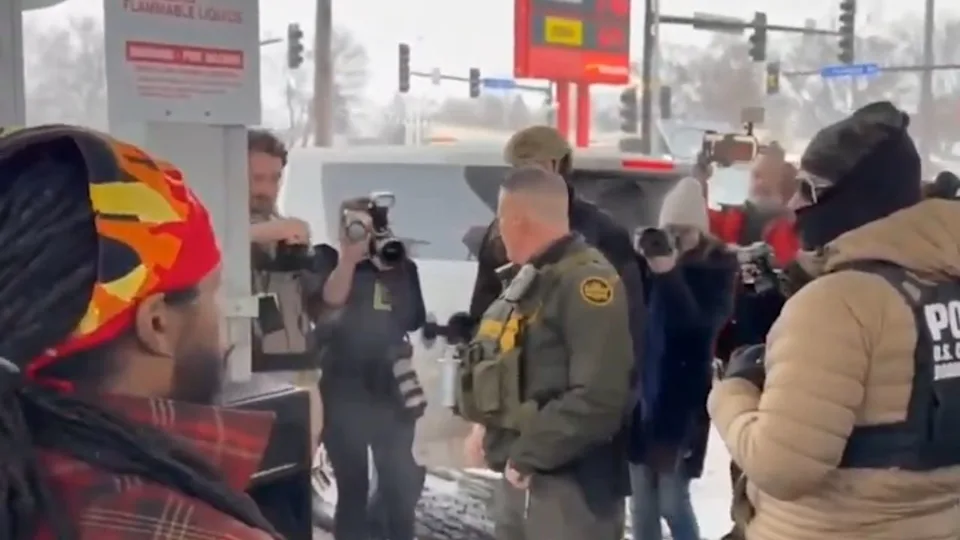
That question is now ricocheting through convenience-store chains, franchise owners, fuel distributors, and corporate risk teams after video showed U.S. Border Patrol Commander Gregory Bovino being denied service at a Speedway station on Portland Avenue in Minnesota. In the clip, a man identifying himself as a manager tells a person filming that the agents were kicked out because, “We don’t support ICE.” (Newsweek)
The incident that lit the fuse
The viral moment didn’t happen in a vacuum. In January, federal immigration operations in the Minneapolis–St. Paul area intensified, sparking public protests and heightened tensions after the fatal shooting of Renee Good, a 37-year-old mother of three, on January 7. (The Independent)
As emotions surged, the Department of Homeland Security said agents were being “harassed and blocked” during routine stops at gas stations — even when trying to use restrooms — and claimed crowds followed them between locations. (Newsweek)
Then came the Speedway clip — and the backlash.
Newsweek reported the video sparked immediate boycott calls online, with critics urging consumers to “put them out of business,” while others praised the employee’s stance. (Newsweek) Fox News framed it as part of a wider pattern of refusals targeting federal agents at both gas stations and hotels. (Fox News)
Why the fuel industry is suddenly on edge
For the average customer, it’s a viral culture-war flashpoint. For fuel retailers, it’s an operational nightmare — because gas stations aren’t just “stores.” They’re critical infrastructure businesses that rely on:
- fast, consistent service norms (high-volume, low-margin operations)
- brand uniformity (especially franchise chains)
- safety and de-escalation at the counter
- clear rules for employees who face conflict daily
One refusal — captured on video — can trigger three immediate shocks across a brand’s footprint:
- Corporate policy whiplash
Chains now have to decide whether they’ll publicly claim “we serve everyone” or quietly empower local discretion. Either choice can alienate a chunk of customers — or expose the company to accusations of political bias. - Franchise chaos
Even when corporate leadership stays neutral, many locations are franchised or locally managed. A single manager’s decision can produce a nationwide reputational crisis that the parent company still has to clean up. Fox News noted companies were contacted for comment, and incidents like these are pushing brands to tighten guidance and training. (Fox News) - Security and staff safety risks
Once a location becomes “the station that refused ICE,” it can attract protest activity, counter-protests, harassment, and threats — and the employees working the next shift are the ones standing on the front line.
The legal gray zone everyone is tiptoeing around
A key reason corporate offices are sweating: the rules aren’t simple. Private businesses generally can refuse service in many situations, but the details vary by jurisdiction and circumstance. Fox News highlighted the debate over whether refusing service to federal agents is lawful private discretion or a form of unlawful discrimination against law enforcement carrying out official duties. (Fox News)
Meanwhile, federal agencies also have leverage in other ways — from procurement relationships to lodging/fueling arrangements — which is why companies fear being pulled into a compliance and contracts mess they never asked for.
“Gas station politics” is now a real business risk
If this trend spreads, the fuel industry’s fear isn’t just more viral clips. It’s a chain reaction:
- Boycott campaigns aimed at brands (even when corporate didn’t authorize anything)
- Employee copycat actions from both sides of the political spectrum
- Operational disruptions at high-traffic locations
- Bigger confrontations when crowds show up while agents are on-site
Local reporting from FOX 9 describes chaotic scenes around some gas-station operations, including an incident at a St. Paul Speedway where at least one person was detained and DHS later issued an account of a crowd forming during an arrest. (FOX 9 Minneapolis-St. Paul)
What companies are likely to do next
Behind the scenes, expect three quiet moves across major fuel retailers:
- A single scripted rule for staff: “We do not engage. We serve customers. Escalate to management/security.”
- De-escalation refreshers and “no political statements” guidance at the register
- Tighter incident reporting so corporate teams learn about a confrontation before it hits TikTok/X
Because in 2026, a 15-second clip at pump #4 can turn into a national crisis by lunchtime — and for an industry built on thin margins and routine, that’s the fallout nobody can afford.