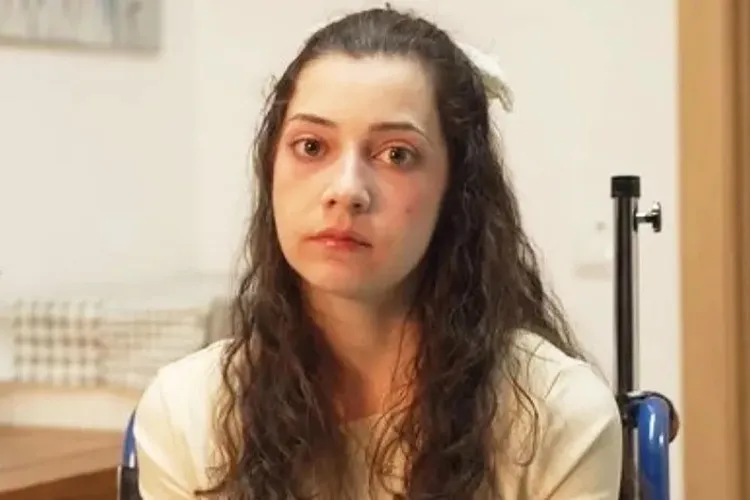

Noelia Castillo Ramos, a 25-year-old woman left paralyzed following a brutal gang rape, is scheduled to undergo a medically assisted death today. The procedure follows a definitive ruling by Spain’s Constitutional Court, ending a years-long legal and ethical battle that has polarized the nation.
Ramos, a Barcelona resident, sought euthanasia citing “unbearable” physical pain and a terminal decline in her mental health following the assault. Despite repeated interventions from her family and conservative advocacy groups, she remained resolute in her decision.
“I was very clear about it from the beginning,” Ramos stated in an interview conducted four days prior to her scheduled death. “I just want to leave in peace now and stop suffering, full stop.”
The case reached a climax in February 2026 when Spain’s Constitutional Court dismissed a final appeal filed by Ramos’s father, Geronimo. Supported by the conservative Catholic organization Christian Lawyers, Geronimo had successfully delayed the procedure in August 2024 through public authority appeals.
However, the Constitutional Court ultimately ruled that there was “no violation of fundamental rights,” affirming that Ramos met the criteria established under Spain’s 2021 Euthanasia Act. The law permits assisted dying for individuals suffering from “serious, chronic, and debilitating” conditions that cause “unbearable suffering.”
The decision has created a profound rift within the Ramos family. While her father utilized every available legal avenue to block the procedure, her mother, Yolanda Ramos, adopted a different stance. Though Yolanda publicly stated she does not support euthanasia, she committed to supporting her daughter’s autonomy.
“I am not in favor of euthanasia,” Yolanda told Spanish media. “But I will always be by her side until the very last moment.”
Noelia Ramos acknowledged the trauma her exit would cause her relatives but emphasized that her personal peace outweighed her family’s desire to maintain her life. “A father’s or a mother’s happiness doesn’t have to come before a daughter’s happiness or sadness,” she said.
Spain remains one of the few countries globally where euthanasia is legal. This case serves as a landmark test for the 2021 legislation, specifically regarding the intersection of criminal trauma, permanent disability, and the right to die.
The procedure is expected to be carried out today under medical supervision, marking the end of a case that has reignited fierce debates over patient autonomy versus the sanctity of life in Spanish society.