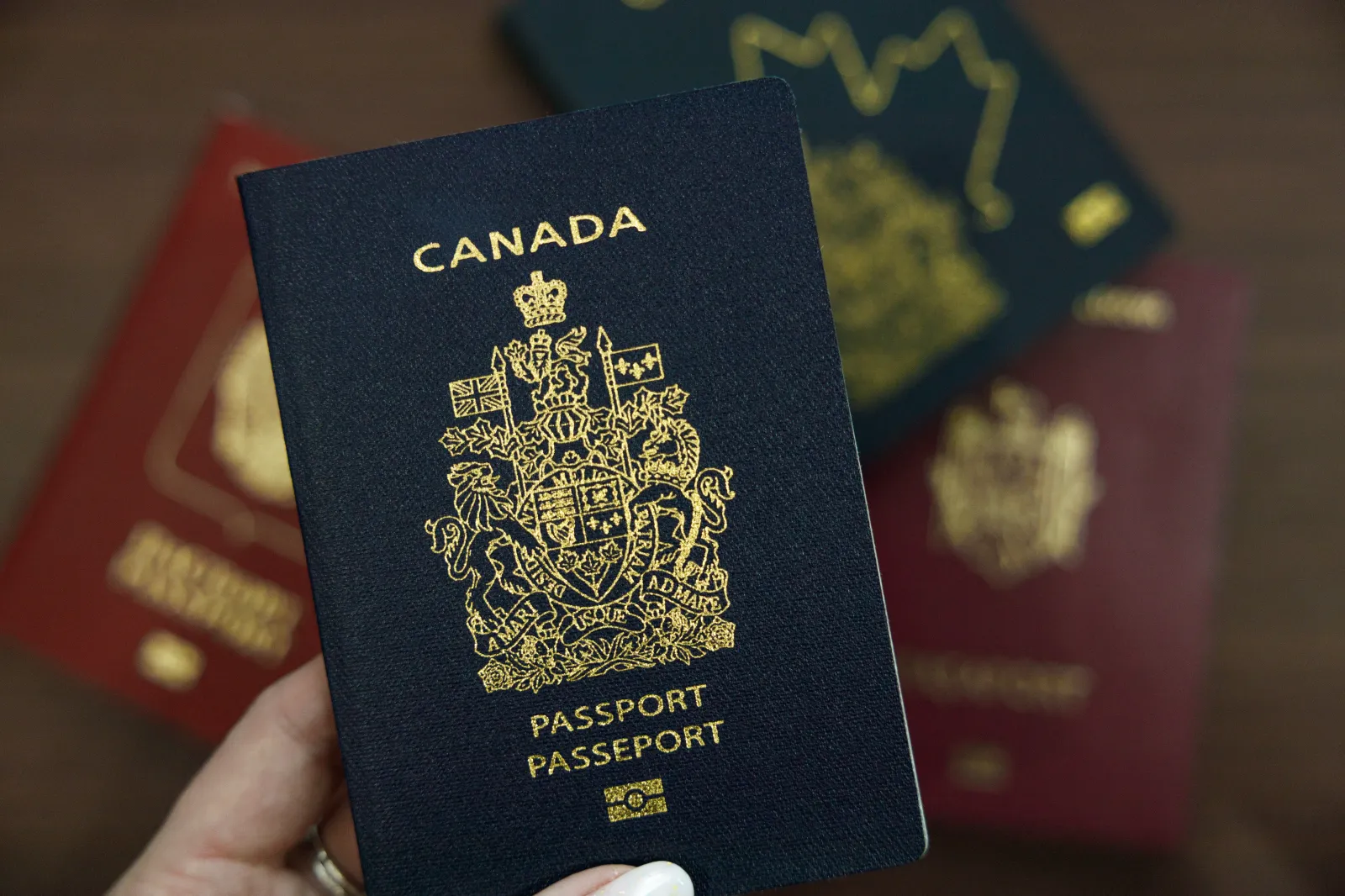

A massive spike in Americans seeking Canadian passports is straining immigration channels following a landmark legislative shift that removed long-standing “generational limits” on citizenship.
The surge follows the implementation of Bill C-3, also known as An Act to Amend the Citizenship Act, which took full effect on December 15, 2025. The law was fast-tracked after the Ontario Superior Court ruled that previous restrictions—which prevented citizenship from being passed down beyond the first generation born abroad—were unconstitutional.
The “Explosion” of Interest
Immigration experts report that demand for proof of citizenship has reached unprecedented levels. Cassandra Fultz, director of Doherty Fultz Immigration Inc., described the current interest as having “exploded” since the legislation passed.
Unlike previous statutes that capped descent at one generation, the new rules offer a broad pathway for those born before the December 2025 cutoff:
- No Generational Limit: Americans can now claim citizenship if they can prove a direct lineage to a Canadian ancestor, including grandparents or great-great-grandparents.
- Regional Impact: In New England alone, an estimated 3 million residents are now eligible for Canadian status due to historical migration patterns between 1870 and 1930.
Why Americans are Crossing the Border (On Paper)
While many applicants remain Residing in the U.S., the perks of dual Canadian-American status are driving the backlog.
- Global Mobility: The Canadian passport currently ranks 7th globally, granting visa-free access to 182 countries, compared to the U.S. passport at 10th.
- Healthcare Access: The prospect of moving to Canada for its publicly funded healthcare system is a primary driver, particularly for retirees facing rising medical costs in the U.S.
- Tax Neutrality: Unlike the U.S., Canada does not tax its citizens living abroad unless they maintain significant residential or economic ties to the country.
Growing Tensions and Delays
The influx of “new” Canadians has sparked a domestic backlash. Critics in Ontario and British Columbia have expressed concern that American retirees may utilize a healthcare system they never paid into through taxes.
Furthermore, the administrative burden is mounting. Legal experts at Pryor Cashman note that citizenship certificate processing times—already hovering at one year—are expected to lengthen significantly as the volume of applications continues to outpace government resources.
For those born after December 15, 2025, the rules remain stricter: parents born abroad must prove they spent at least 1,095 days in Canada to pass citizenship to their children, a move designed to maintain a “substantial connection” to the country.