
The Bureau of Land Management (BLM) has unveiled an aggressive expansion of its wild horse removal program, targeting more than 14,000 animals for extraction across the Western United States. The federal initiative, driven by intensifying drought and dwindling resources, has ignited a fierce debate between land managers and animal welfare advocates over the ethics of helicopter-assisted roundups.
Colorado is emerging as a central theater for the agency’s 2026 extraction schedule. The BLM aims to remove at least 1,111 horses from the state, focusing heavily on the Piceance-East Douglas range near Meeker.
- The Target: A 200,000-acre stretch of public land.
- The Goal: Reduce the state’s mustang population from approximately 1,727 to a “sustainable” 616 animals.
- The Timeline: A major operation in August will see 911 horses gathered in a single push.
The Rationale: Drought and Ecological Strain
Federal officials maintain that the removals are a matter of survival for both the land and the herds. BLM spokesperson Steven Hall cited record-breaking drought conditions as the primary catalyst for the surge in activity.
“When herds grow faster than the land can support, it puts stress on public lands and on the horses,” Hall stated. The agency argues that overpopulation, coupled with climate-driven water scarcity, makes natural forage insufficient to sustain current herd sizes.
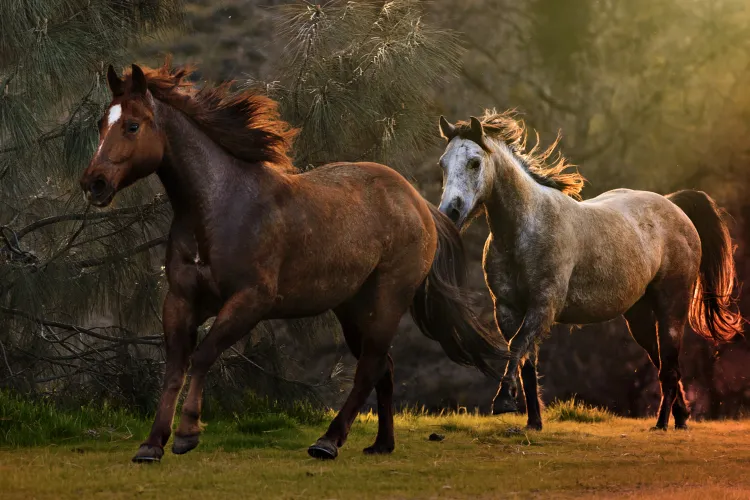
:max_bytes(150000):strip_icc():focal(1099x0:1101x2):format(webp)/wild-horse-stock-photo3-032526-d10ffe29b9624a5b8d24b326ce39fd61.jpg)
Controversial Tactics and Political Pushback
The use of helicopter roundups remains the most contentious element of the plan. Critics, including Colorado Governor Jared Polis, have urged the BLM to pivot toward more humane management styles.
“If there’s a problem with overpopulation of horses, there are other means that can be done, such as using birth control,” said activist Maya Sinstress.
Advocates warn that aerial chases over rugged terrain frequently result in:
- Fatalities and severe injuries during the pursuit.
- High stress for foals and aging horses.
- Long-term confinement in “detention centers” where horses risk being sold for slaughter.
Seeking a Middle Ground: Fertility Control
In response to the outcry, the BLM has signaled a marginal shift toward non-lethal management. The current plan includes expanding fertility control efforts, specifically darting roughly 200 mares with vaccines designed to prevent pregnancy for several years.
However, the scale of these efforts is dwarfed by the volume of removals. Data indicates a massive ramp-up in federal activity; between 2020 and 2023, the BLM removed 50,000 horses and burros—nearly double the rate of the previous four years.
As the March 13 schedule goes into effect, the operations will span nine states, including Arizona, California, Nevada, and Wyoming, marking one of the most significant periods of federal horse management in recent history.