
The Pentagon has formally requested over $200 billion in emergency supplemental funding from Congress to finance the expanding military campaign against Iran, a move that signals a significant escalation in a conflict that began less than three weeks ago.
The request, first reported by The Washington Post, aims to replenish depleted munitions and significantly ramp up domestic weapons production as the U.S. and Israel continue “Operation Epic Fury.” If approved, the funding would represent one of the largest single-year war appropriations in American history, nearly doubling the total aid provided to Ukraine over four years.
Massive Scale of “Operation Epic Fury”
Since the initiation of joint strikes on February 28, 2026—which resulted in the death of Iranian Supreme Leader Ali Khamenei—the U.S. military has maintained a blistering operational tempo. According to U.S. Central Command (CENTCOM), American forces have:
- Struck more than 7,800 targets across Iran.
- Conducted over 8,000 combat flights.
- Destroyed or damaged more than 120 Iranian naval vessels.
The financial toll has been immediate. Estimates from the Center for Strategic and International Studies (CSIS) indicate the U.S. spent $11.3 billion in the first week alone, driven largely by the heavy use of Tomahawk cruise missiles, which cost approximately $3.5 million per unit.
Industrial Jolt and Munitions Shortages
The push for the $200 billion package is reportedly being led by Deputy Defense Secretary Steven Feinberg, the former Cerberus Capital CEO. Feinberg has spent the last year focused on the “Workforce Acceleration & Recapitalization Initiative” to fix what he has described as a “sluggish” defense industrial base.
Inside the Pentagon, officials warn that the current rate of munitions consumption is unsustainable without a massive infusion of capital. The proposed funds are intended to:
- Accelerate production of precision-guided munitions (PGMs).
- Bolster supply chain integrity for critical components.
- Ensure readiness for potential horizontal escalation as Iran continues to target regional energy infrastructure and U.S. assets in the Gulf.
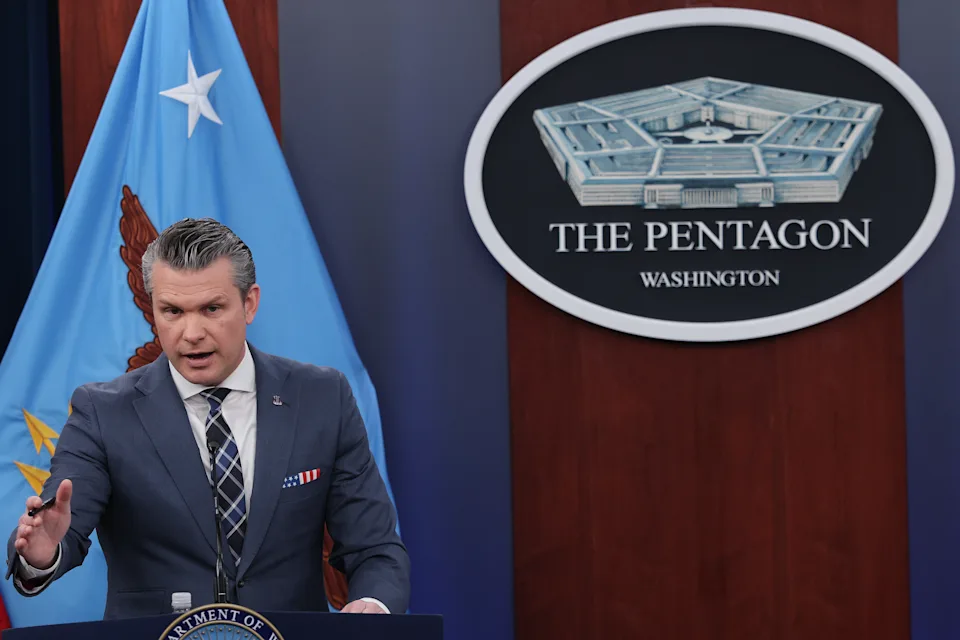
“It takes money to kill bad guys,” Defense Secretary Pete Hegseth stated during a Thursday press briefing. “We’re going back to Congress to ensure we’re properly funded for what’s been done and what we may have to do in the future.”
A Looming Political Battle
Despite the administration’s urgency, the request faces a steep climb on Capitol Hill. While some Republicans have signaled support, fiscal hawks within the party remain wary of the price tag. Democrats have been more pointed in their criticism, citing a domestic “cost-of-living crisis.”
“With no clear objective and no end in sight, the administration wants another $200 billion from taxpayers for a war of choice,” said Representative Rosa DeLauro, Ranking Member of the House Appropriations Committee.
The $200 billion would come on top of the $838.5 billion defense budget already approved for fiscal year 2026. If passed, total U.S. military spending for the year would exceed $1 trillion, a figure that rivals more than half of Iran’s entire 2025 GDP.
Strategic Pivot or Mission Creep?
The request comes amid reports that the White House is considering expanding the scope of the war. Intelligence suggests the administration is weighing operations to secure the Strait of Hormuz and seize Kharg Island, the hub for the majority of Iran’s oil exports.
President Trump, who campaigned on ending “endless wars,” defended the spending from the Oval Office on Thursday, calling the $200 billion a “very small price to pay” to ensure the U.S. military remains the dominant global force in a “volatile world.”