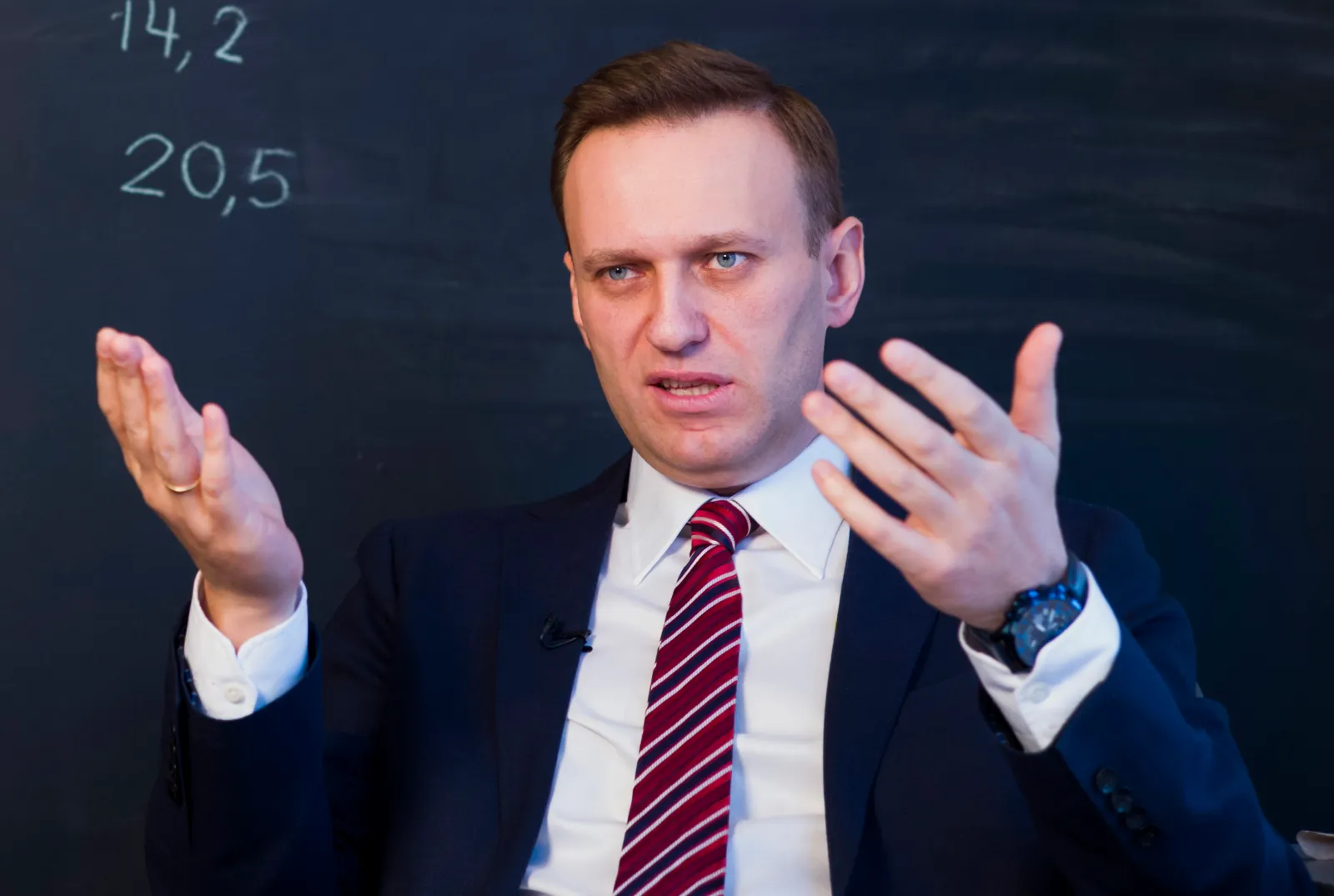

Russia poisoned opposition leader Alexei Navalny with epibatidine — a potent neurotoxin associated with Ecuadorian poison dart frogs — while he was imprisoned, the United Kingdom and several European allies said Saturday.
In a joint effort involving Sweden, France, the Netherlands, and Germany, the U.K. said laboratory testing identified epibatidine in samples taken from Navalny’s body and concluded it was highly likely to have caused his death. The statement asserted that “only the Russian state” had the means, motive, and opportunity to use the toxin against Navalny during his detention in a Siberian penal colony, and said the governments hold Russia responsible. Moscow has repeatedly denied any involvement.
Navalny died in February 2024 after being transferred to a high-security facility above the Arctic Circle. Russian authorities said at the time that he became ill after a walk and died of natural causes, a claim the new findings directly dispute. The announcement also intensifies international scrutiny of Russia over alleged violations of the Chemical Weapons Convention.
The five governments said epibatidine does not naturally occur in Russia and described it as a powerful neurotoxin. The U.K. said it has filed a report with the Organisation for the Prohibition of Chemical Weapons alleging a breach of the Chemical Weapons Convention.
Navalny was serving a 19-year sentence that he and his supporters described as politically motivated. He had also survived a previous poisoning in 2020 involving a nerve agent; he blamed Russian authorities at the time, and the Kremlin denied responsibility.
Navalny’s widow, Yulia Navalnaya, said on X that she had believed from the start her husband was poisoned and described the reported laboratory results as proof he was killed with a chemical weapon. British Foreign Secretary Yvette Cooper said Russia viewed Navalny as a threat and accused the state of using “despicable tools” to suppress political opposition.
The U.K. and its partners said they plan to take the case to the international watchdog and pursue accountability under the Chemical Weapons Convention, and potentially the Biological and Toxin Weapons Convention. They indicated further steps could include coordinated diplomatic measures such as sanctions and formal action through international bodies. Russia has not publicly responded to the report.