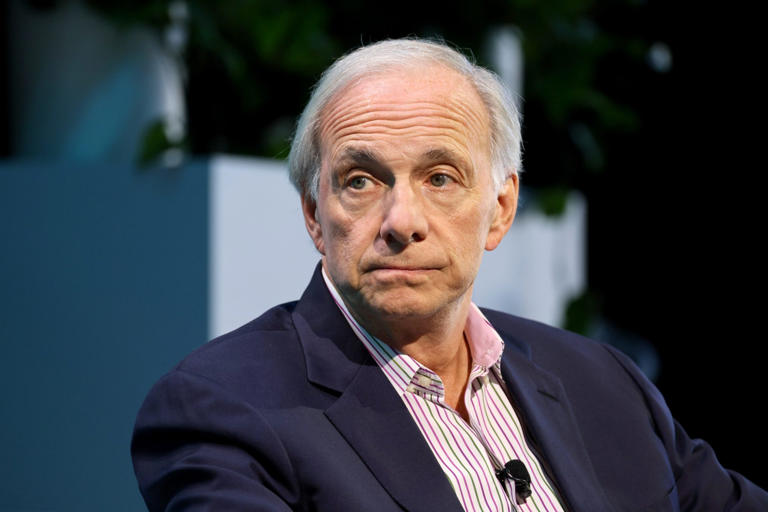

Billionaire investor Ray Dalio has issued a serious warning about America’s economic future, saying fear of retaliation—especially from the Trump administration—is keeping investors and business leaders from speaking openly about the nation’s financial problems.
Dalio, the founder of Bridgewater Associates, the world’s largest hedge fund with about $130 billion under management, told the Financial Times that the current political and economic climate reminds him of the 1930s and 1940s. “Most people are silent because they are afraid of retaliation if they criticize,” Dalio said, calling the lack of debate dangerous at a time when the country faces major fiscal challenges.
At 76, Dalio’s voice carries weight in financial circles. He started Bridgewater in his small Manhattan apartment in 1975 and built it into a global powerhouse that manages money for governments, pension funds, central banks, and universities. Known for his focus on economic history and cause-and-effect patterns, Dalio is regarded as one of the most successful hedge-fund managers in history. His strategies helped him profit during crises like the 1987 stock market crash, and his books on economic cycles remain widely read by investors.
Mounting debt worries
Dalio warned that America could suffer a “debt-induced heart attack” within the next three years. As of August, the national debt has hit $37 trillion—about 124% of the country’s GDP, a level not seen since World War II. The Congressional Budget Office projects that if current policies continue, the debt-to-GDP ratio could rise from 100% in 2025 to 156% by 2055. Interest payments are already taking up a growing share of the federal budget, which Dalio compared to “a circulatory system riddled with plaque.”
He also raised concerns about President Trump’s approach to the Federal Reserve. Trump has openly attacked Fed Chair Jerome Powell and tried to remove Governor Lisa Cook, prompting European Central Bank President Christine Lagarde to warn such moves pose “very serious danger” to the global economy.
Dalio pointed to the government’s recent stake in Intel as an example of increasing state control in business, describing it as part of “strong autocratic leadership.” He compared this trend to the economic authoritarianism of the 1930s and 1940s.
Warning signs in today’s economy
On the surface, some indicators look stable. Inflation eased to 2.7% in July, down from pandemic highs but still above the Fed’s 2% target. Unemployment is low at 4.2%, though job growth slowed sharply, with only 73,000 new positions in July.
Other signs suggest weakness. The Conference Board’s Leading Economic Index has dropped for six months straight, and real GDP growth is expected to reach just 1.6% in 2025—well below historical averages. Higher interest rates and trade tensions are weighing on growth.
The cost of silence
Dalio says the silence among CEOs and investors could make things worse, since open debate is needed to prevent a crisis. Past financial shocks often happened suddenly when confidence collapsed. He cited the 2022 crisis in the U.K., when then–Prime Minister Liz Truss’s unfunded tax cuts caused the British pound to crash, eventually forcing her to resign.
Other major financiers have echoed Dalio’s concerns. In April, Citadel CEO Ken Griffin criticized the Trump administration after it clashed with Walmart over tariffs. And earlier this year, BlackRock CEO Larry Fink said many executives privately admit they believe the U.S. is already in a recession but stay quiet to avoid political and market backlash.
Dalio’s message is clear: unless leaders start having honest conversations about America’s growing debt and fiscal problems, the country could face serious economic trouble in the years ahead.