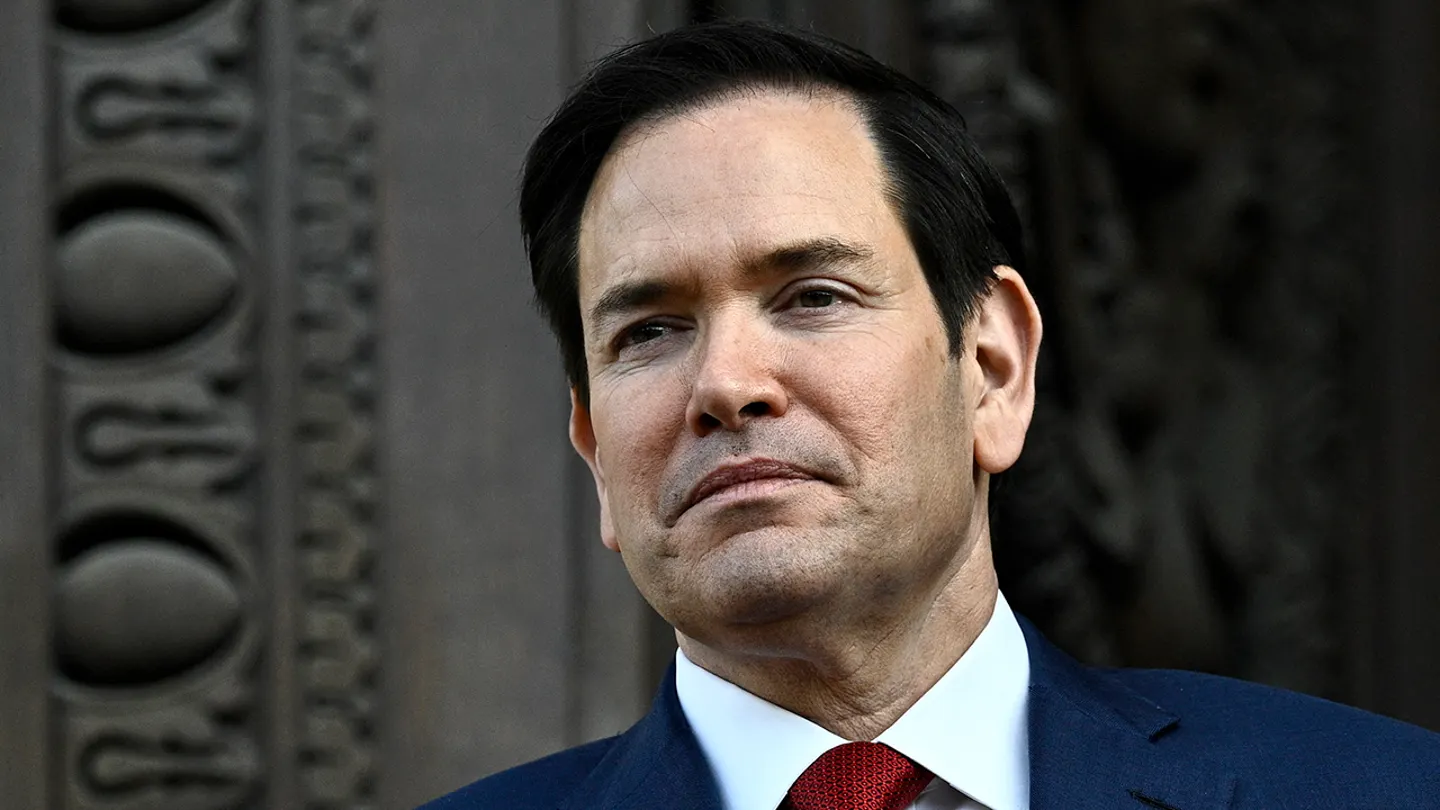

WASHINGTON, D.C. – U.S. Secretary of State Marco Rubio announced the revocation of U.S. visas for Brazilian Supreme Court Justice Alexandre de Moraes, his family members, and unnamed associates, denouncing the legal actions against former Brazilian President Jair Bolsonaro as a politically motivated campaign of persecution.
Rubio said the move comes in response to what the Trump administration views as a “political witch hunt” waged by Brazil’s judiciary against Bolsonaro. The U.S. decision follows a series of sweeping measures issued by Moraes, including search warrants, communication bans, and an order that placed Bolsonaro under electronic monitoring.
“President Trump has made it clear that his administration will act against foreign nationals who engage in censorship and political persecution—especially when it extends to Americans,” Rubio said in a statement. “Justice Moraes has created a censorship regime so broad, it violates basic freedoms in Brazil and now reaches across borders.”
Bolsonaro, currently on trial before Brazil’s Supreme Court for allegedly attempting to overturn the 2022 election, was barred from using social media, meeting foreign officials, or visiting embassies. Moraes justified the restrictions by citing a “concrete possibility” that Bolsonaro might flee Brazil. Federal police raided the former president’s residence, and his passport was confiscated.
Trump Defends Bolsonaro, Threatens Economic Retaliation
President Trump has come to Bolsonaro’s defense, calling the trial unjust and demanding its immediate end. In a letter released Thursday, Trump warned Brazilian authorities that a 50% tariff on Brazilian imports would take effect August 1 unless the charges were dropped.
“The trial should end immediately,” Trump wrote, accusing Brazil’s judicial system of being turned against Bolsonaro for political reasons.
The former Brazilian leader echoed those claims in an interview with Reuters, calling Moraes a “dictator” and accusing the court of “cowardice.” He described wearing an ankle monitor as “supreme humiliation” and said he hoped to meet with Trump once his passport was returned.
Bolsonaro denied trying to flee Brazil but acknowledged speaking regularly with his son, Eduardo Bolsonaro, a Brazilian congressman currently in the U.S. building support for his father. Bolsonaro also confirmed contacting top U.S. diplomats to discuss the White House’s tariff threat.
White House: Brazil’s Courts Have Been Weaponized
White House spokesperson Anna Kelly reiterated Trump’s stance Friday, saying, “Bolsonaro and his supporters are under attack from a weaponized court system.”
Brazilian authorities, however, claim the measures are necessary to protect national sovereignty. Justice Moraes accused Bolsonaro of seeking interference from a “foreign head of state” in a domestic criminal case—an act he said could trigger economic and diplomatic crises.
The court also imposed communication bans on Bolsonaro’s inner circle, including his son Eduardo. Bolsonaro said his son might seek U.S. citizenship to avoid being forced back to Brazil.
A five-judge panel of Brazil’s Supreme Court upheld Moraes’ actions last week, affirming the legality of the restrictions.
Despite growing tensions between the two nations, Rubio insisted the U.S. would continue supporting democratic norms while standing against what he described as “cross-border political suppression.”