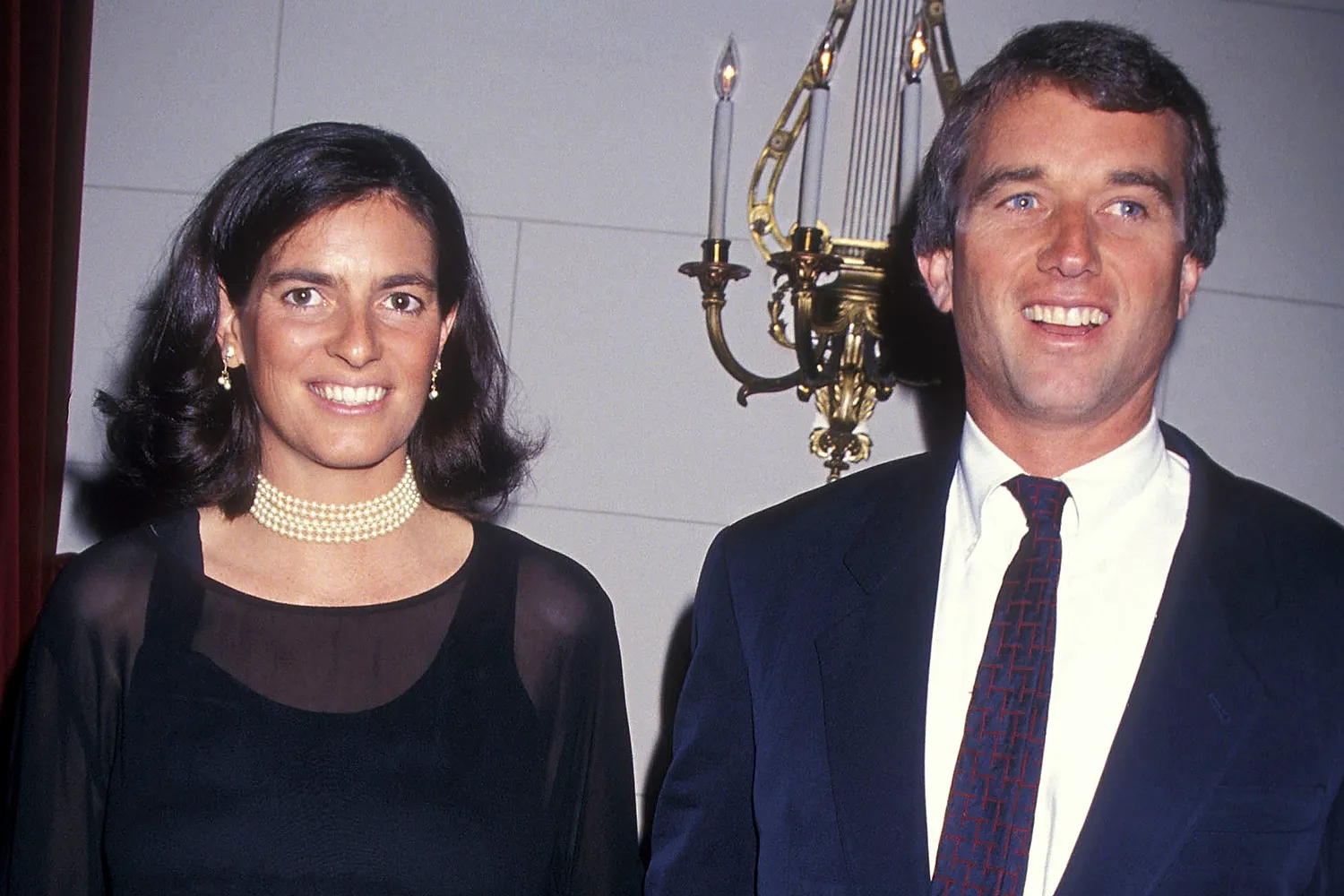

Fourteen years after the tragic suicide of Mary Richardson Kennedy, a provocative new biography is exposing the volatile private life and “haunting” final months of the woman who married into America’s most storied political dynasty.
Investigative reporter Isabel Vincent’s upcoming book, “RFK, Jr.: The Fall and Rise,” set for release on April 14, draws from previously unreleased private diaries and insider interviews to detail a marriage fractured by serial infidelity, allegations of gaslighting, and a brutal divorce battle.
The narrative hinges on personal journals kept by Robert F. Kennedy Jr., which Mary reportedly took as “insurance” before her death. In these writings, Kennedy—now a prominent political figure—candidly discusses his struggle with what he termed “lust demons.” While maintaining public sobriety through a 12-step program, Kennedy’s diaries reveal a man obsessed with “more.” He describes random sexual encounters as “mugging” and admits to “acting out” while traveling the world on environmental crusades. In one entry from 1999, he notes the “Sirens were on every rock,” expressing pride in resisting temptation while his wife remained home with three young children.
The biography paints a grim picture of Mary’s psychological state during the marriage. While she struggled with depression and alcohol, sources close to her claim Kennedy weaponized her vulnerabilities.
:max_bytes(150000):strip_icc():focal(1180x0:1182x2):format(webp)/rfk-jr-people-cover-f7387bbadcc14cf7a7eb43de806f67ec.jpg)
“He definitely gaslit her,” one source told Vincent, alleging that Kennedy dismissed Mary’s accurate suspicions of his philandering as alcoholic “fantasies.” Despite the strain, Mary remained fiercely committed to the Kennedy identity, with one medical source noting, “The notion that she would stop being a Kennedy was scary to her.”
The marriage collapsed on Mother’s Day 2010, when Kennedy informed Mary he was filing for divorce. The ensuing legal battle turned “ugly,” involving disputes over custody and Kennedy’s budding relationship with actress Cheryl Hines.
On May 16, 2012, Mary was found dead in a barn on the family’s Bedford, N.Y., estate. The coroner’s report noted a chilling detail: her fingers were caught between her neck and the noose, suggesting a potential last-second struggle.
:max_bytes(150000):strip_icc():focal(999x0:1001x2):format(webp)/robert-f-kennedy-jr-kids-mary-richardson-kennedy-grave-040626-43985e5c0dea443dbb97887f871bfb15.jpg)
The aftermath of the suicide further divided the Kennedy and Richardson families. Following a tense confrontation where Mary’s sister, Nan, reportedly told Kennedy, “You have killed my sister,” the Richardsons launched a private investigation into the death.
The probe ultimately yielded no legal action, but the bitterness persisted. In a final, controversial move, Kennedy relocated Mary’s remains from a central family plot to an unmarked grave at the edge of a Massachusetts cemetery.
:max_bytes(150000):strip_icc():focal(657x0:659x2):format(webp)/RFK-jr-the-fall-and-rise-by-isabel-vincent-040626-08327f1d183243989c073744989afdac.jpg)
While Kennedy has moved on in his public and personal life, Vincent’s investigative work suggests the tragedy remains an indelible mark on his record—a “weight,” as one former friend says, “he will carry for the rest of his life.”