
The Trump administration is signaling a massive escalation in the financial stakes of the conflict in Iran, with a projected $200 billion supplemental funding request that has already ignited a firestorm of bipartisan skepticism on Capitol Hill.
President Trump on Thursday dismissed concerns over the eye-popping figure, characterizing the potential expenditure as a “small price to pay” to ensure the U.S. military remains “tippy top” while simultaneously rebuilding broader defense capabilities.
The Inverted Pyramid: Core Developments
- The Request: The administration is weighing a $200 billion supplemental bill specifically for Iran operations, nearly doubling previous estimates.
- The Context: This funding would be on top of the Pentagon’s existing $1 trillion annual budget.
- The Comparison: At $200 billion, the proposed one-year request exceeds the total $188 billion in U.S. aid provided to Ukraine over the last four years.
- The Conflict: Despite promises of a swift resolution, Iranian forces continue to disrupt shipping in the Strait of Hormuz, maintaining global oil prices above $100 per barrel.
Pentagon Defends “Eye-Popping” Price Tag
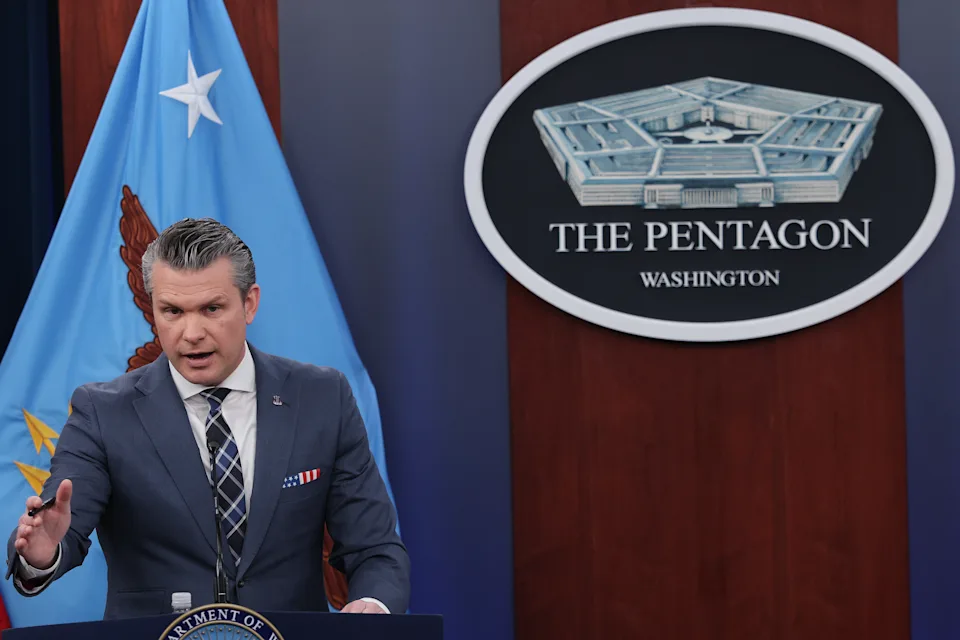
Defense Secretary Pete Hegseth solidified the administration’s hardline stance on Thursday, confirming that the administration is prepared to ask for record-breaking sums to sustain the offensive.
“It takes money to kill bad guys,” Hegseth told reporters, framing the $200 billion as a necessity for “properly funding” the mission going forward.
However, the math of the conflict suggests a grueling war of attrition. Internal administration figures previously provided to lawmakers indicated the first week of the war cost approximately $11.3 billion—a burn rate of nearly $2 billion per day. At that pace, a $200 billion injection would only sustain high-intensity operations for roughly 100 days, suggesting either a planned de-escalation or a future need for even more capital.
Friction Within the GOP
While the President maintains a firm grip on his party, the scale of the request is testing the limits of fiscal hawks. Senator Roger Marshall (R-Kan.) voiced rare public hesitation on Thursday, noting that $200 billion “sounds like a high number” when layered over an already record-breaking defense budget.
The skepticism reflects a growing realization in Washington that the “quick end” to the Iran conflict promised during the campaign may be slipping out of reach. Iranian retaliatory strikes on oil infrastructure and their “effective veto” over the Strait of Hormuz have created a persistent economic drag that a simple infusion of cash has yet to resolve.
The Legislative Battleground
The administration faces a steep climb to secure the funds. Congressional Democrats have signaled a unified front against the supplemental bill.
“The answer is a simple no,” said Senator Ruben Gallego (D-Ariz.), echoing the sentiment of a caucus that views the war as an unfunded escalation.
Potential Legislative Paths:
- Reconciliation: Republicans may attempt to bypass the 60-vote filibuster threshold, but this requires absolute GOP unanimity—a difficult feat given the reservations expressed by members like Marshall.
- National Defense Authorization Act (NDAA): Folding the request into the “must-pass” annual defense bill. This path, however, traditionally requires bipartisan support and would likely face “poison pill” amendments from Democrats seeking to limit the scope of the war.
Strategic Implications
The $200 billion figure represents more than just a tactical requirement; it is a signal of a shift toward a long-term regional presence. By linking the request to “rebuilding the overall military,” President Trump is attempting to use the Iran conflict as a catalyst for his broader goal of a $1.5 trillion annual defense budget.
As oil prices remain volatile and the daily cost of combat fluctuates, the White House is betting that the American public—and a divided Congress—will prioritize military dominance over fiscal restraint.