
As of Wednesday, Dec. 10, children under 16 in Australia are officially barred from using social media, following the passage of The Online Safety Amendment (Social Media Minimum Age) Bill 2024 in November 2024. Lawmakers say the move is aimed at shielding young people from platforms that experts argue are fueling a youth mental health crisis.
The legislation applies to major platforms including Facebook, Instagram, TikTok, YouTube, Reddit, Snapchat, Threads, Twitch, X and Kick, according to reporting from The New York Times. The list can grow over time as new platforms emerge and become popular, CNN notes.
Under the law, platforms were ordered to identify and report how many accounts belonged to users under 16 both before and after the ban takes effect, and then again in six months. They must also disable any accounts used by underage users. Companies that fail to comply face potential penalties of around $32 million (49.5 million Australian dollars). Children and their parents will not face fines.
How the platforms will reliably enforce these age limits is still uncertain. The law does not permit companies to demand government-issued ID to verify age, according to the New York Times. Instead, platforms have been experimenting with tools like live video selfies, email verification and other official documents to estimate users’ ages, CNN reports.
:max_bytes(150000):strip_icc():focal(804x660:806x662):format(webp)/teenagers-use-phones-in-the-school-120925-84d4428ae84442ef9c32952969d6198e.jpg)
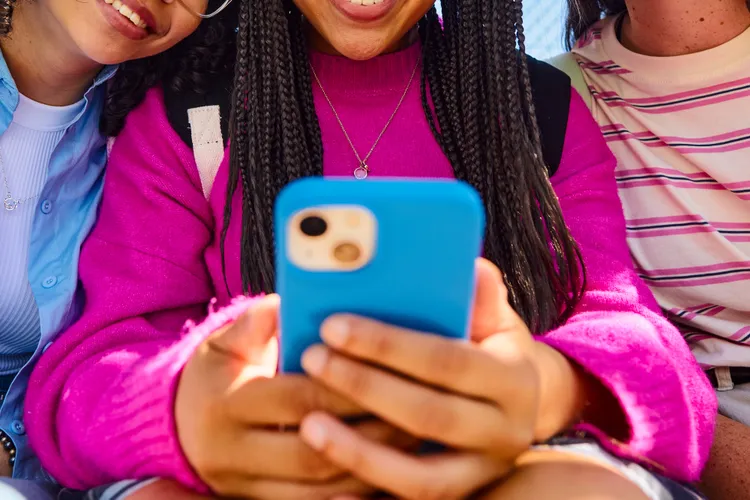
Before the ban, YouTube, TikTok, Snapchat and Instagram were the most popular platforms among Australian children, according to a 2024 study by the Australian eSafety Commissioner. Another eSafety Commissioner report from November 2025 found that 96% of Australian children aged 10 to 15 were using social media.
While support among the public is high — 77% of Australians backed the new law — the platforms argue that cutting teens off entirely could have unintended consequences.
“Disconnecting teens from their friends and family doesn’t make them safer — it may push them to less safe, less private messaging apps,” Snapchat said in a November statement.
On Dec. 3, a Meta spokesperson told the BBC that the company “is committed to complying with the law,” but added that “we believe a more effective standardised and privacy-preserving approach is needed.”
Australian leaders, however, say they are focused on the potential benefits of the change.
“This is the day when Australian families are taking back power from these big tech companies. They are asserting the right of kids to be kids and for parents to have greater peace of mind,” Prime Minister Anthony Albanese said.
Australia’s eSafety Commissioner Julie Inman Grant has expressed hope that the law will spark similar moves elsewhere. “I’ve always referred to this as the first domino, which is why they pushed back,” she said at a recent event in Sydney, according to NBC News.
:max_bytes(150000):strip_icc():focal(1022x675:1024x677):format(webp)/A-woman-holds-a-smartphone-with-various-social-media-apps-120925-b8e5ae993c5a4afa8094d016110efac4.jpg)
The New York Times reports that Denmark and Malaysia are among the countries also considering comparable restrictions on children’s social media use.
To measure the real-world impact of the Australian law, the eSafety Commissioner is partnering with Stanford University’s Social Media Lab to collect and analyze data on how the ban affects young people.
“We recognize the responsibility we hold in safeguarding children and supporting families as they navigate digital life. We also recognize that the eyes of the world are on Australia,” Stanford University said in a statement. “We are hopeful that the evidence generated can directly support and inform decision-making by other countries as they seek to promote the online safety of children in their jurisdictions.”