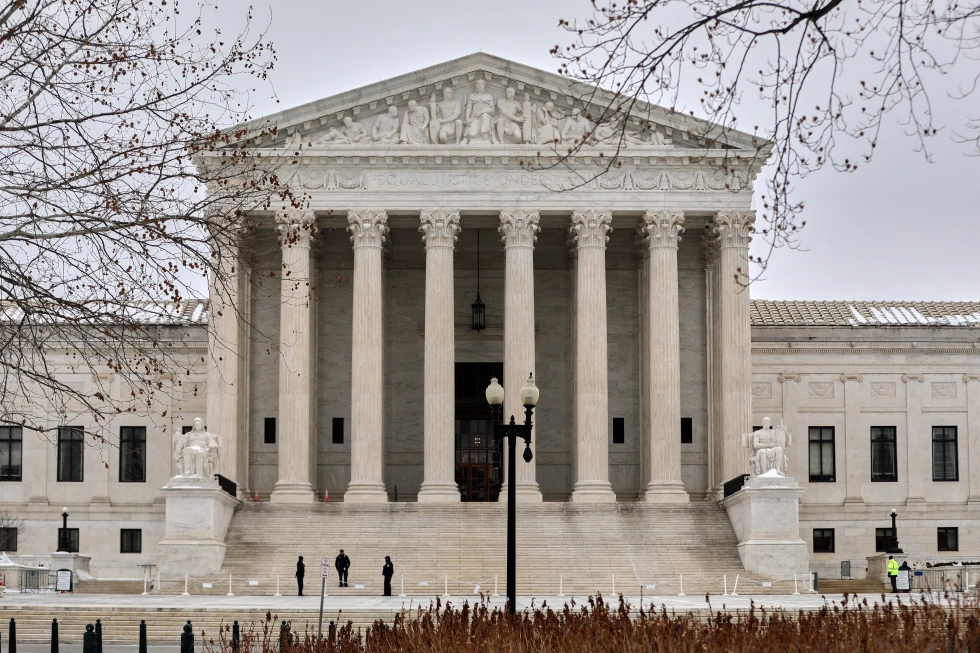

WASHINGTON — The U.S. Supreme Court on Monday cleared the way for California school districts to notify parents if their children identify as transgender, blocking a state law that had prohibited such disclosures without a student’s consent.
The high court’s emergency order effectively reinstates a lower-court injunction against California’s “safety act,” which sought to prevent schools from “outing” students to their families regarding changes to their pronouns or gender expression. The decision marks a pivotal shift in the national legal battle over student privacy, religious freedom, and the fundamental rights of parents in public education.
A Victory for Parental Rights and Religious Exercise
The ruling stems from a legal challenge led by the Thomas More Society on behalf of Catholic parents and educators. These plaintiffs argued that California’s policies forced schools to “secretly facilitate” a child’s social transition, directly undermining their ability to raise their children according to their religious convictions.
In an unsigned order, the Supreme Court majority leaned heavily on the Free Exercise Clause of the First Amendment.
“The parents who assert a free exercise claim have sincere religious beliefs about sex and gender, and they feel a religious obligation to raise their children in accordance with those beliefs,” the majority wrote. “California’s policies violate those beliefs and burden the free exercise of religion.”
By siding with the parents, the Court has halted the state’s enforcement of the law while the underlying litigation continues to move through the appellate system.
Sharp Dissent from the Liberal Wing
The decision was not unanimous. The Court’s three liberal justices issued a public dissent, criticizing the majority for intervening in a state matter before the lower courts had finished their review.
Justice Elena Kagan, writing for the dissenters, characterized the move as premature and disruptive to state sovereignty.
“If nothing else, this Court owes it to a sovereign State to avoid throwing over its policies in a slapdash way,” Kagan wrote. She argued that the Court should have allowed the case to follow “normal procedures” rather than utilizing the emergency docket to upend state policy.
Meanwhile, conservative Justices Samuel Alito and Clarence Thomas indicated they would have gone further, suggesting they were open to lifting restrictions on teachers who wish to proactively disclose student information regardless of district-level mandates.
California Defends Student Privacy
The office of Governor Gavin Newsom remains steadfast in its defense of the law, arguing that the policy was designed to protect vulnerable students who may face abuse or rejection at home.
Marissa Saldivar, a spokesperson for the Governor, stated that the Supreme Court’s order “undermines student privacy and the ability to learn in a safe and supportive classroom.” The state had previously argued that teachers should not be “gender cops” forced to monitor and report on the personal identities of their pupils.
However, the state’s position faces increasing pressure from the Trump administration. In January 2026, the Department of Justice found that California’s notification restrictions violated federal laws regarding parents’ access to their children’s educational records.
National Implications and the Road Ahead
This ruling is the latest in a series of Supreme Court decisions that have favored religious plaintiffs and restricted transgender-related policies. In recent months, the Court has:
- Upheld state bans on gender-affirming healthcare for minors.
- Allowed parents to opt-out of school lessons featuring LGBTQ+ literature.
- Signaled a potential move toward allowing states to ban transgender athletes from female sports.
As cases from Wisconsin, Massachusetts, and Florida reach the high court, legal experts suggest the justices are moving toward a definitive ruling on whether the 14th Amendment’s “liberty” interest gives parents an absolute right to be informed of their child’s gender identity at school.
The California case now returns to the lower courts for a trial on the merits, but with Monday’s order, the legal momentum has shifted decidedly toward parental notification.