
Tesla has lost its position as the world’s top electric car manufacturer after a sharp decline in sales last year.
In 2025, Tesla’s global vehicle sales fell 9% compared with the previous year, according to reporting from the Associated Press and CBS News. The downturn followed mounting criticism of CEO Elon Musk’s political views and his close alignment with President Donald Trump during the first half of the year. The Associated Press also cited growing consumer concerns about vehicle safety as a contributing factor.
Tesla sold 1.64 million vehicles in 2025, down from 1.79 million in 2024.
Meanwhile, Chinese automaker BYD surged ahead, surpassing Tesla by more than half a million vehicles. BYD sold 2.26 million electric vehicles in 2025, officially making it the largest EV manufacturer in the world.
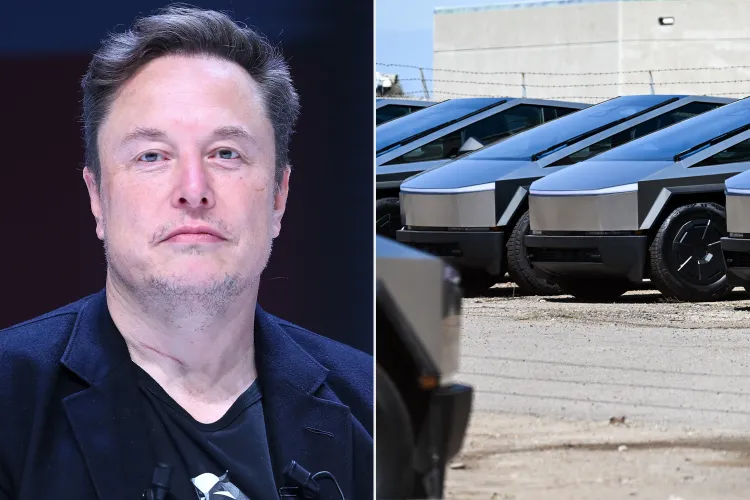
Tesla’s declining sales coincided with a series of recalls and legal challenges that further eroded public confidence. In March 2025, more than 46,000 Cybertrucks were recalled due to a defect that could cause a trim panel to detach, increasing the risk of a crash. Later, in October, over 63,000 Cybertrucks were recalled again because their front lights exceeded the maximum permissible brightness, potentially impairing other drivers’ visibility.
Compounding those issues, Tesla was ordered in August 2025 to pay $243 million in damages following a fatal crash linked to a malfunction in the company’s automated driving system. The ruling intensified scrutiny over the reliability and safety of Tesla’s technology, as sales continued to slide.
Musk also faced heightened criticism for his political role during the early months of Trump’s second term. After leading the White House’s Department of Government Efficiency—an initiative associated with widespread federal layoffs—Musk became an increasingly polarizing figure both domestically and abroad.
In March, Abigail Wright, a consultant at business advisory firm Chamber of Commerce, told Newsweek that Musk’s political positioning was “alienating key international markets where political sentiment plays a major role in consumer perception and decisions.”
The turbulence extended beyond Tesla’s sales figures. Between December 2024 and March 2025, a period when Musk served as a close adviser to Trump, his net worth dropped by more than $144 billion, Forbes reported. During roughly the same timeframe, Tesla’s stock price declined by more than 15%.
As the company’s share price fell, Trump publicly defended Tesla and announced plans to purchase one of the company’s vehicles “as a show of confidence.” The gesture, however, raised questions about potential conflicts of interest and further deepened political divisions surrounding the Tesla brand.
Together, falling sales, safety concerns, and growing political backlash marked a pivotal year for Tesla—one that ultimately allowed BYD to seize the top spot in the global electric vehicle market.