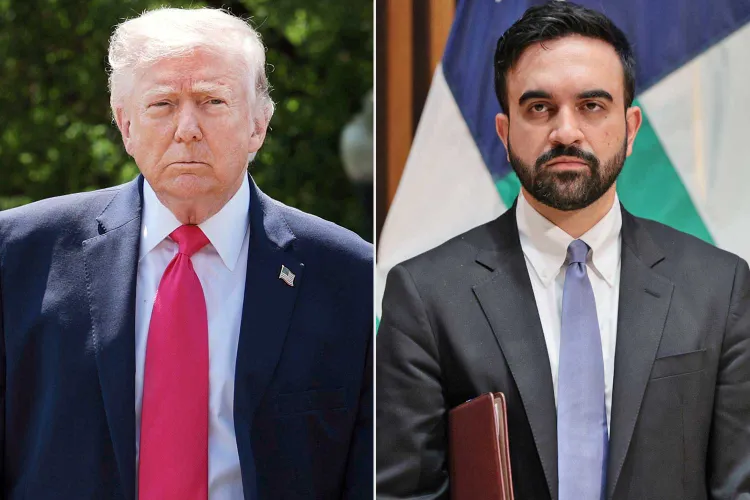

Donald Trump sharply criticized a new New York tax proposal targeting ultrawealthy property owners, escalating tensions with Zohran Mamdani and Kathy Hochul over what he called “wrong” economic policies.
At issue is a proposed “pied-à-terre” tax announced April 15 by Hochul, aimed at second homes in New York City valued above $5 million. The plan would allow the city to impose an annual surcharge on non-resident owners of luxury properties—many of whom maintain part-time residences in Manhattan.
Mamdani, a Democratic socialist who took office in January, framed the proposal as a step toward fiscal equity. In a statement, he said the tax would help close the city’s budget gap while ensuring “the ultra-wealthy and global elites” contribute more.
“We are fighting every day to address this fiscal deficit fairly,” Mamdani said, emphasizing relief for working residents facing rising living costs.
Trump, however, blasted the measure in a post on Truth Social, warning it would accelerate an exodus of wealth from the city. “The TAX, TAX, TAX Policies are SO WRONG,” he wrote, adding that such strategies historically “just doesn’t work.”
:max_bytes(150000):strip_icc():focal(691x291:693x293):format(webp)/mamdani-trump-2-112125-b98c06eca3cc475ba24c5adfe504be17.jpg)
The former president—long associated with New York real estate—owns a penthouse in Trump Tower but shifted his primary residence in 2019 to Mar-a-Lago.
Trump’s remarks signal a notable reversal in tone toward Mamdani. Following a White House meeting in November, Trump had struck a surprisingly conciliatory note, telling reporters he could “get along fine” with the then-mayor-elect and even felt comfortable living under his administration.
That earlier warmth came despite Mamdani’s pointed criticism during his election victory speech, when he described Trump as emblematic of broader national challenges and pledged to counter the conditions that enabled his rise.
Trump, when asked at the time about being labeled a “despot,” brushed it off. “I’ve been called much worse,” he said.
The proposed tax reflects a broader debate over how to address urban budget shortfalls without deepening inequality. Supporters argue that targeting high-value, often underutilized properties could generate revenue without burdening full-time residents. Critics, including Trump, contend it risks discouraging investment and accelerating capital flight.
As the policy moves forward, it is likely to intensify both economic scrutiny and political friction between New York’s leadership and national figures—underscoring the high stakes of taxing wealth in one of the world’s most expensive cities.