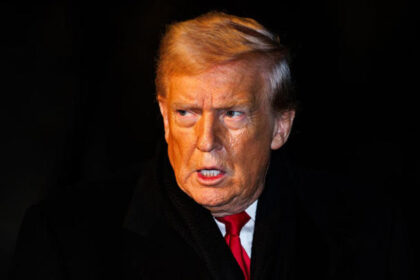

President Donald Trump intensified his public feud with the Supreme Court on Wednesday, leveling personal attacks against two of his own appointees after the high court dismantled his administration’s aggressive trade agenda.
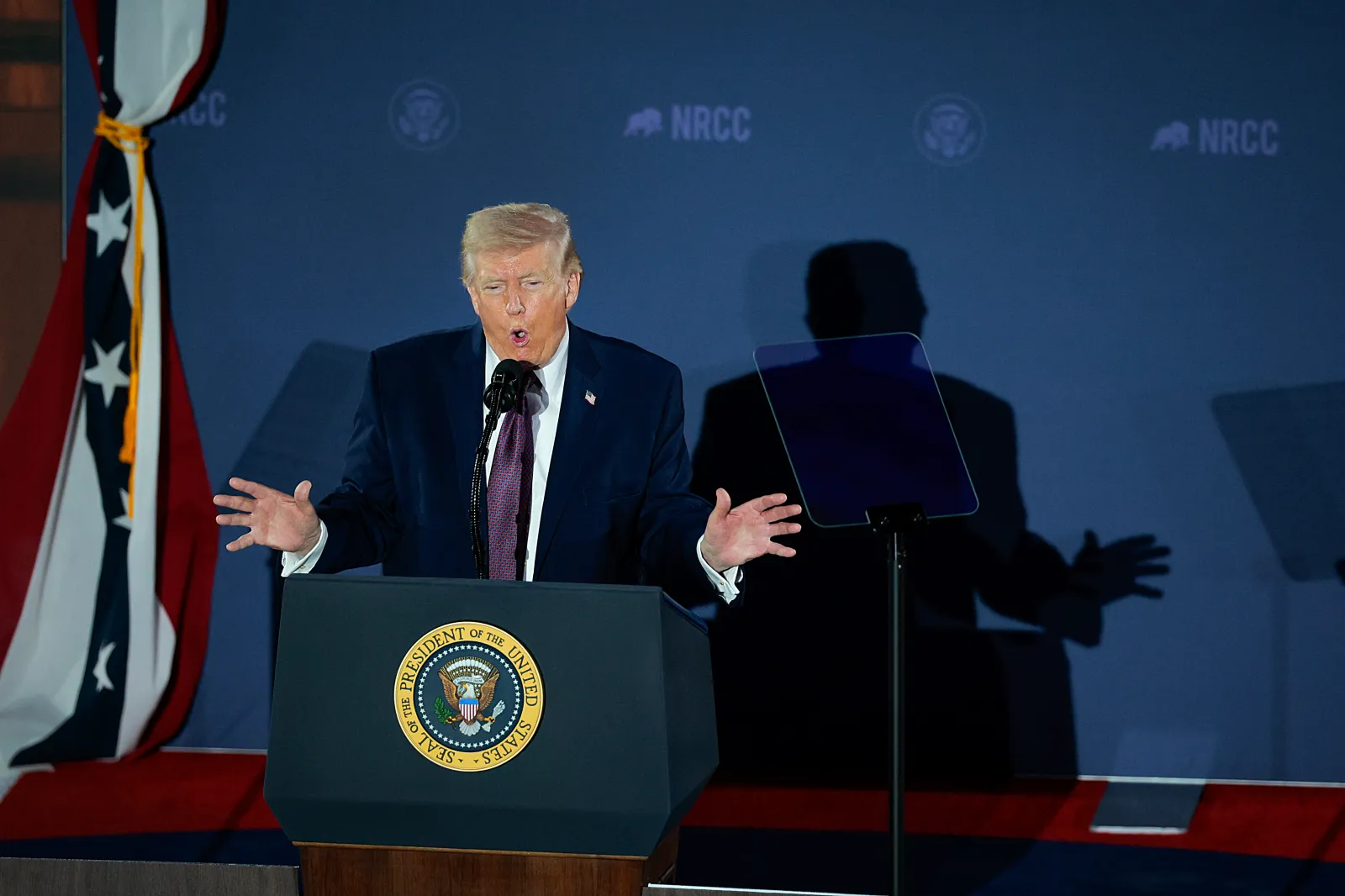
Speaking at a National Republican Congressional Committee (NRCC) fundraising dinner, the President specifically targeted Justices Neil Gorsuch and Amy Coney Barrett. Both joined the majority in a February 6-3 ruling that struck down sweeping tariffs Trump had imposed via the International Emergency Economic Powers Act (IEEPA) in April 2025.
“Two of the people that voted for that, I appointed, and they sicken me,” Trump told the audience. “They sicken me because they are bad for our country.”
The Legal Conflict
The Supreme Court’s February decision represented a significant constitutional check on executive power. The majority opinion clarified that the authority to set and modify tariffs—effectively a form of taxation—resides with Congress, not the White House.
Trump argued the ruling cost the United States “hundreds of billions of dollars” and accused the court of being “swayed by foreign interests.” While Justices Samuel Alito, Clarence Thomas, and Trump-appointee Brett Kavanaugh dissented, the broader court remained firm on the separation of powers.
A Judiciary Under Fire
The President’s rhetoric has sparked a rare public defense of the bench from Chief Justice John Roberts. Speaking recently at Rice University, Roberts warned that shifting criticism from legal analysis to personal hostility is “dangerous” for the stability of the American legal system.
“Judges around the country work very hard to get it right,” Roberts said. “Personally directed hostility… has got to stop.”
Democratic lawmakers, including Senator Amy Klobuchar, have similarly condemned the President’s remarks, stating that attacks on an independent judiciary undermine the rule of law.
What’s At Stake
The administration is now pivoting to Section 301 of the Trade Act to recover lost revenue. By opening trade investigations into dozens of nations, the White House aims to bypass the IEEPA restrictions and reinstate higher duties through alternate legal channels.
The high court is expected to rule on other controversial administration priorities later this term, including executive actions regarding birthright citizenship.