
The Trump administration is seeking an emergency stay to halt a temporary restraining order (TRO) issued last Friday that restricts U.S. Immigration and Customs Enforcement (ICE) operations in the Central District of California. The court ruling found that ICE likely violated constitutional protections during immigration enforcement efforts in Los Angeles.
The 53-page decision from U.S. District Judge Maame Ewusi-Mensah Frimpong—an appointee of President Biden—bars ICE agents from conducting stops without “reasonable suspicion” that a person is unlawfully present in the U.S. The judge emphasized that ICE may not base its suspicions solely on a person’s race, ethnicity, accent, location, or occupation, citing Fourth Amendment protections against unlawful searches and seizures.
In a court filing Monday, the Trump administration challenged the decision, arguing the original lawsuit—brought by three immigration detainees—was expanded improperly by adding numerous plaintiffs and converting it into a broad challenge of ICE’s practices across the region.
“Petitioners’ counsel filed an amended complaint and, just one day later on the eve of a holiday weekend, rushed to court seeking an emergency injunction that severely limits the government’s ability to enforce immigration law,” the administration argued. It also noted the government was given just two business days to respond to hundreds of pages of filings.
Calling the TRO “sweeping” and legally flawed, the administration urged the court to stay the order pending appeal, warning that the decision threatens to “cripple lawful immigration enforcement” by placing ICE agents at risk of contempt for routine enforcement actions.
The administration also argued the judge failed to consider recent Supreme Court guidance that discourages sweeping injunctions by lower courts. While the order is limited to California’s Central District, the administration says it still improperly interferes with executive authority.
“The consequences of the court’s legal errors are profound,” the filing states. “This overreach undermines the separation of powers and federal sovereignty.”
Widening Legal and Political Fallout
Judge Frimpong first heard arguments last Thursday, hinting then that she was leaning toward granting the TRO.
“I think it’s important for the court not to burden otherwise lawful law enforcement activities,” she said.
What began as a relatively narrow petition in June has now grown into a broad legal battle over how ICE conducts arrests in California. The plaintiffs claim ICE agents have routinely arrested individuals at places like Home Depot, farms, and car washes, often targeting individuals with “brown skin” and, in some cases, mistakenly detaining U.S. citizens.
The lawsuit also alleges the Trump administration set an unrealistic goal of 3,000 arrests per day, pressuring officers to bypass legal protocols to meet quotas. The Department of Justice denies the claims, stating ICE operations have remained within legal bounds, even as nearly 3,000 arrests have been made across California since early June.
Political Leaders Weigh In
Los Angeles Mayor Karen Bass praised the ruling, calling the federal raids “unconstitutional and reckless” and reaffirming the city’s stance on protecting immigrant communities. The cities of Santa Monica, Culver City, and West Hollywood, along with several Democrat-led states, filed briefs supporting the plaintiffs.
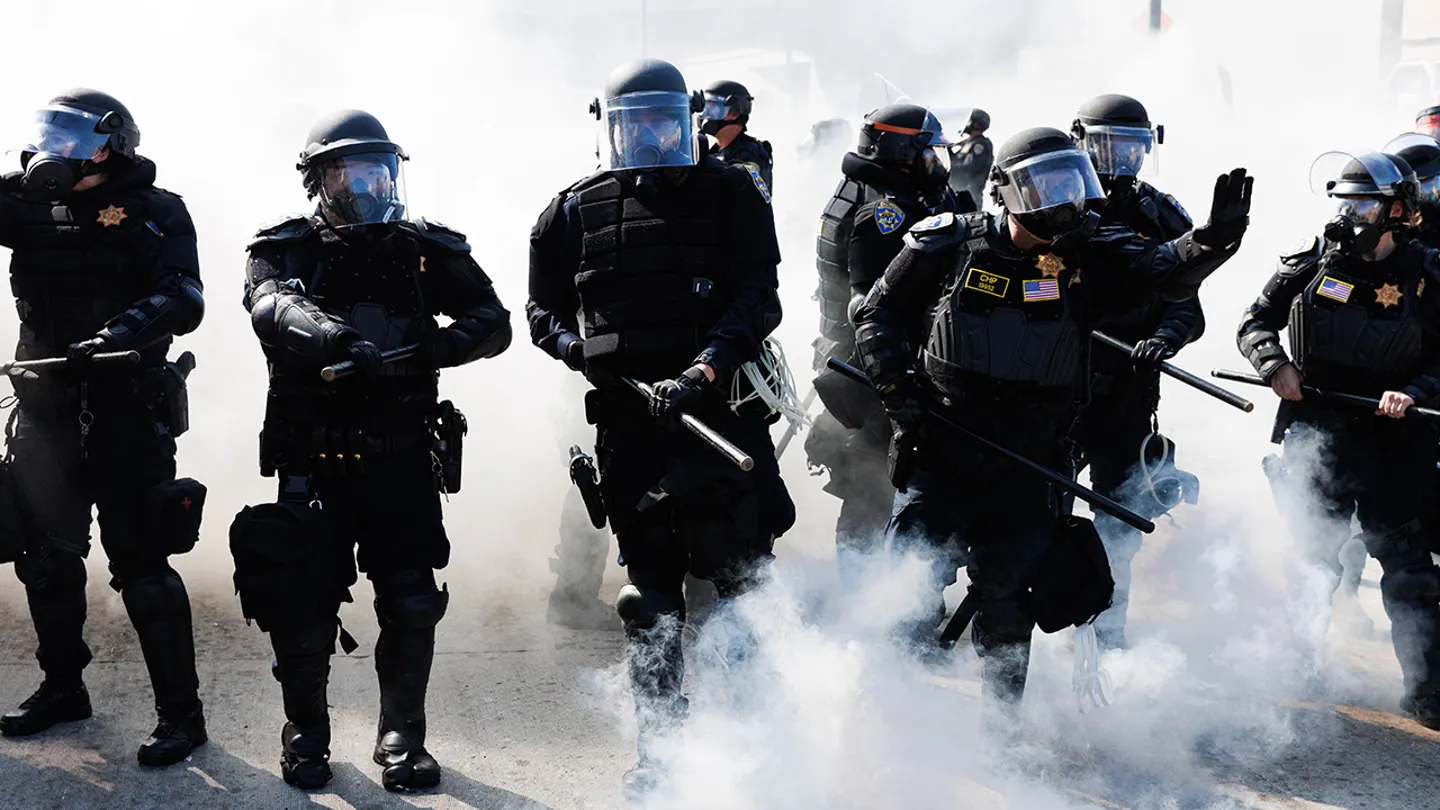
Protests erupted in response to the enforcement actions, with demonstrators clashing with law enforcement in Los Angeles. Video footage from protests earlier this month showed California Highway Patrol using smoke grenades to disperse crowds blocking the freeway, while others rallied near federal buildings and at ICE facilities.
The Trump administration has also criticized the court for reshaping federal immigration enforcement through a single district ruling, accusing Judge Frimpong of “usurping” the executive branch’s authority.
In the meantime, the administration is demanding a full inventory of all materials tied to the case and seeking clarity on which documents DHS believes must remain classified. It also wants a timeline for the full declassification and release of all materials related to the enforcement operations.
The legal battle is expected to intensify as the case moves forward, with broader implications for how immigration enforcement will be handled in one of the nation’s largest and most immigrant-rich regions.