
The Trump administration has barred five European figures from entering the United States, accusing them of pressuring American technology companies to censor or suppress speech protected under U.S. law. The individuals—Thierry Breton, Imran Ahmed, Josephine Ballon, Anna-Lena von Hodenberg, and Clare Melford—are prominent in Europe’s efforts to regulate harmful or illegal content and combat disinformation on major social platforms.
The bans were issued under a May policy that targets foreign nationals the administration deems responsible for suppressing speech protected in the United States.
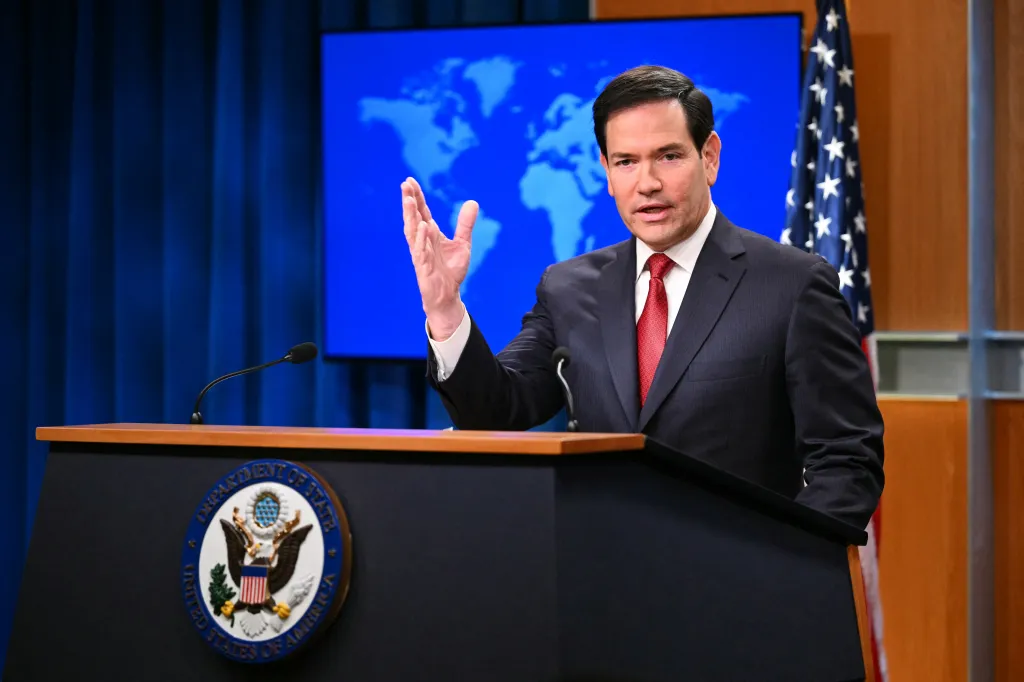
“For far too long, ideologues in Europe have led organized efforts to coerce American platforms to punish American viewpoints they oppose,” Secretary of State Marco Rubio posted on X. “The Trump administration will no longer tolerate these egregious acts of extraterritorial censorship.
“We stand ready and willing to expand this list if others do not reverse course,” he added.
Digital Services Act at the Center of Dispute
The move appears to deepen tensions over the EU’s Digital Services Act (DSA), which took effect across the European Union in 2023. In a series of social media posts, Sarah Rogers, the U.S. undersecretary of state for public diplomacy, described former European Commissioner for Internal Market Thierry Breton as the “mastermind” of the DSA.
The law requires large online platforms—such as Meta’s Facebook and Elon Musk’s X—to take greater responsibility for content shared on their services. It mandates removal of illegal material, including hate speech and child sexual abuse imagery, and restricts ad targeting based on sensitive personal data such as race, religion, gender, or age. It also bans advertising that targets children and requires greater transparency around content moderation decisions and algorithmic recommendations.
Critics, especially within parts of the U.S. tech industry, argue the DSA gives governments too much discretion to define illegal speech and effectively forces American companies to adopt European standards.
Rogers also accused Breton of using the act to “threaten” Musk ahead of an interview with President Trump. After the visa ban, Breton shared a message on X: “To our American friends: Censorship isn’t where you think it is.”
Organizations Targeted Push Back
Also barred were Von Hodenberg and Ballon of HateAid, a German organization the State Department said helped enforce the DSA. In a joint statement shared with Fortune, they said: “We are not surprised. It is an act of repression by a government that is increasingly disregarding the rule of law and trying to silence its critics by any means necessary. This marks a new escalation: The U.S. government is clearly questioning European sovereignty.
“We will not be intimidated by a government that uses accusations of censorship to silence those who stand up for human rights and freedom of expression,” they added.
Melford, who leads the U.K.-based Global Disinformation Index (GDI), and Ahmed, CEO of the Center for Countering Digital Hate, a nonprofit focused on countering hate and misinformation online, were also included.
A GDI spokespersontold Fortune: “The visa sanctions announced today are an authoritarian attack on free speech and an egregious act of government censorship … GDI exists so that the public can understand and evaluate the information they find online. We fight speech with more speech. If only the federal government were brave enough to do the same.”
Diplomatic Fallout in Europe
The decision has sparked backlash from European leaders. German Foreign Minister Johann Wadephul said on X that the sanctions were “not acceptable.” French Foreign Minister Jean-Noël Barrot condemned the restrictions and defended the DSA, saying it ensures “what is illegal offline is also illegal online.”
French President Emmanuel Macron also weighed in on X, saying: “France condemns the visa restriction measures taken by the United States against Thierry Breton and four other European figures.” He called the bans “intimidation and coercion aimed at undermining European digital sovereignty.”
The European Commission said it had requested “clarifications” from the U.S. and warned: “If needed, we will respond swiftly and decisively to defend our regulatory autonomy against unjustified measures.”