
The administration of Donald Trump has abruptly terminated an $11 million federal contract with Catholic Charities of the Archdiocese of Miami, jeopardizing a decades-long program that houses and supports unaccompanied migrant children in South Florida.
The decision, confirmed by federal officials, could force the Miami-based charity to shut down its child welfare operations within three months, according to Thomas Wenski. The program has served vulnerable minors entering the United States without guardians since the 1960s.
Federal authorities cited a sharp decline in the number of migrant children in government custody as the primary reason for ending the contract. A spokesperson for the Office of Refugee Resettlement said the population has dropped to approximately 1,900 children, down from a peak of about 22,000 during the previous administration.
But church leaders and legal experts warn the move could have serious consequences.
In an op-ed, Wenski called the decision “baffling,” arguing that Catholic Charities has set a national standard in caring for unaccompanied minors. “Our track record in serving this vulnerable population is unmatched,” he wrote, adding that replicating the program’s expertise would be difficult.
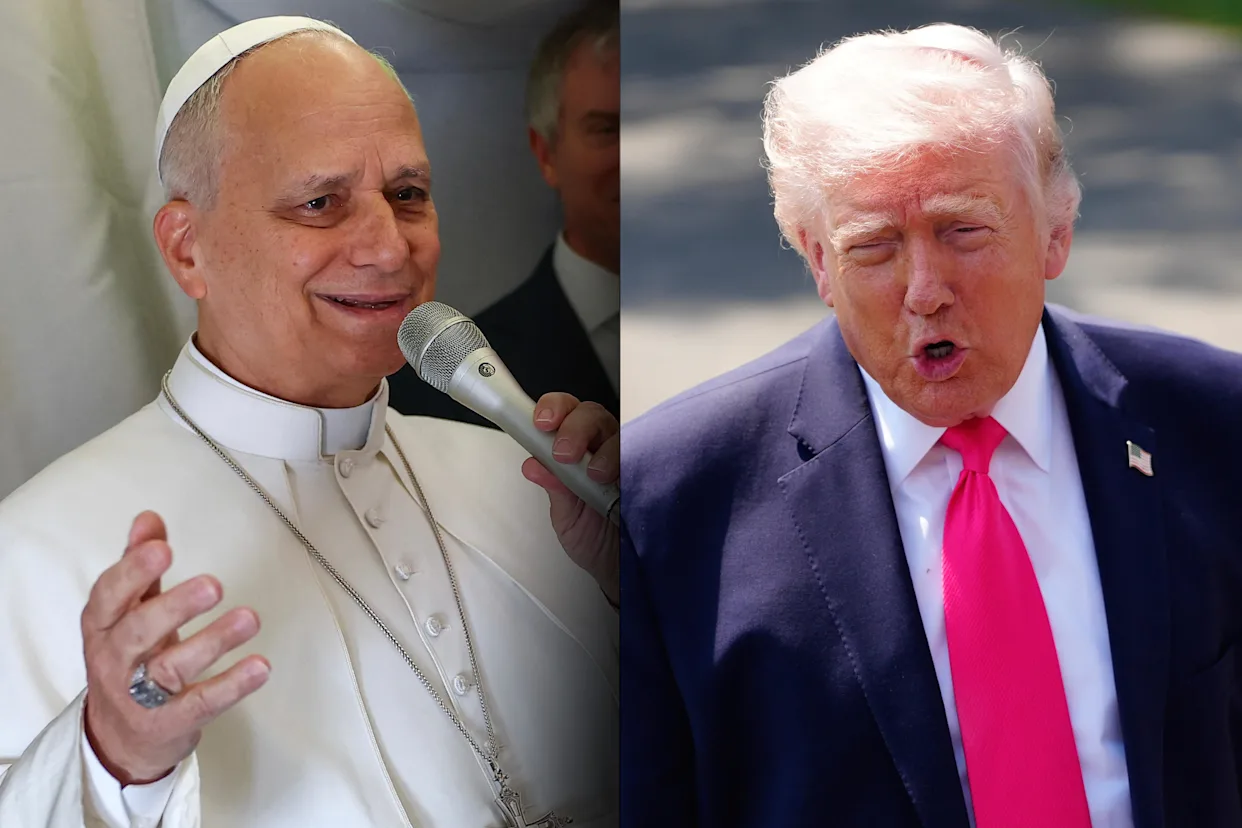
The contract cancellation unfolds against the backdrop of rising tensions between Trump and Pope Leo XIV, who has criticized U.S. migration policies and weighed in on broader geopolitical issues, including the Iran conflict. Trump has publicly rebuked the American-born pontiff, calling him “weak on crime” and “terrible for foreign policy.”
The feud intensified after Trump posted — and later deleted — an AI-generated image portraying himself as Jesus Christ, drawing backlash from religious leaders and political critics.
Advocates for migrant children say the immediate concern is the fate of those currently in care. Relocating them could be deeply destabilizing.
Robert Latham, a legal expert at the University of Miami, warned that repeated displacement can inflict lasting psychological harm. “For young children, constant movement disrupts identity, attachment, and stability,” he said.
Officials have not clarified where the affected children will be transferred if the program shuts down, raising urgent questions about continuity of care and federal preparedness.