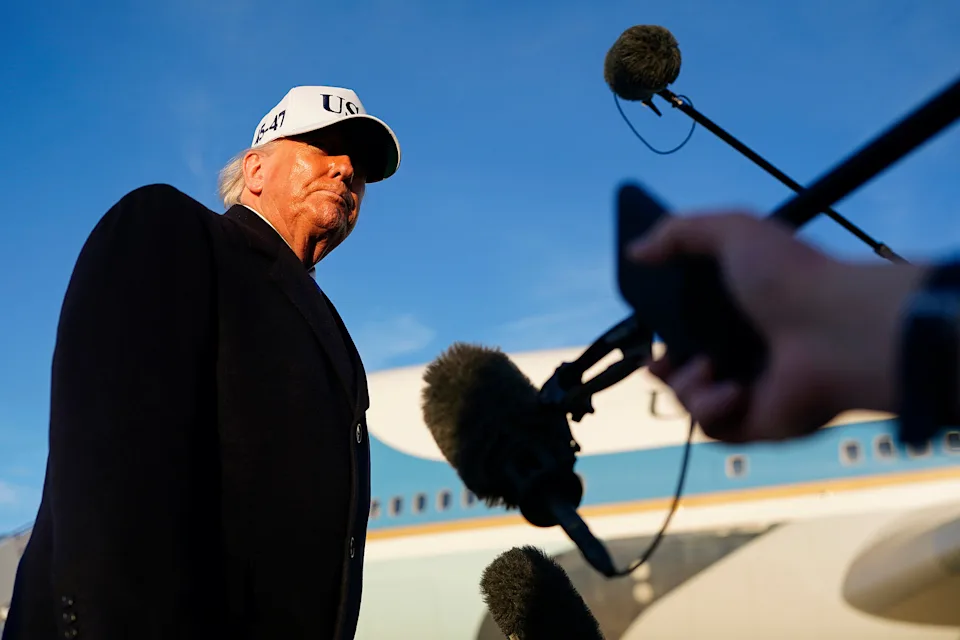

WASHINGTON — Entering the third week of a high-stakes military campaign against Tehran, President Donald Trump has left both global allies and adversaries in a state of strategic vertigo. Despite claims of “decimating” Iranian capabilities, the administration’s shifting objectives and the effective closure of the Strait of Hormuz have propelled global oil prices past $106 a barrel, threatening a worldwide economic slowdown.
Confusion in the Coalition
The “state of play” reached a boiling point during a recent call with Group of Seven (G7) leaders. According to sources familiar with the exchange, European counterparts repeatedly pressed Trump for a defined “endgame.” The President reportedly declined to detail specific military objectives, stating only that he had “several in mind” and desired a swift conclusion.
However, the reality on the ground—and at the pump—tells a more volatile story. Since the conflict began on February 28, 2026, the U.S. and Israel have conducted massive precision strikes under “Operation Epic Fury,” targeting Iranian nuclear sites and military infrastructure. Yet, Tehran has remained defiant, utilizing asymmetric tactics and Russian-produced drones to harass shipping and strike regional targets, including a recent drone attack near Dubai International Airport.

Key U.S. Objectives vs. Regional Reality
A senior White House official outlined a four-pillar strategy for the campaign, though critics argue the goals remain “moving targets”:
- Neutralization of Iran’s ballistic missile and naval capabilities.
- Permanent Prevention of nuclear weapon acquisition.
- Defunding of regional proxy groups.
- Restoration of maritime flow through the Strait of Hormuz.
The economic fallout has been immediate. With the Strait—a conduit for 20% of the world’s oil—virtually paralyzed, Brent crude has surged 40% in just over 14 days. U.S. gasoline prices have jumped roughly 65 cents per gallon, a political liability for Republicans in a critical midterm election year.
A “Polite No” from Stalwart Allies
Trump’s recent pivot—calling for an international coalition to escort tankers—has been met with skepticism. While the President warned that a lack of support would be “very bad for the future of NATO,” key partners are hesitant:
- United Kingdom: Prime Minister Keir Starmer has authorized the use of British bases for “limited defensive purposes” but steadfastly refuses to join offensive operations, citing the “lessons of Iraq.”
- Japan & Australia: Both nations indicated on Monday that they have “no plans” to deploy warships to the Strait, citing high diplomatic and military hurdles.
- The Gulf States: Privately, officials in the region express frustration over a lack of consultation before the February 28 launch, fearing they will be left to face a “wounded and angry” Iran alone.
The “Victory” Paradox
Inside the administration, cracks are appearing. David Sacks, Trump’s AI czar, recently called for an “off-ramp,” suggesting that now is the time to “declare victory and get out” to stabilize global markets. Conversely, Senator Lindsey Graham signaled a potential escalation, hinting at the deployment of a Marine Expeditionary Force for ground operations.
In Tehran, the leadership transition following the death of Ali Khamenei has not led to moderation. His successor, Mojtaba Khamenei, has vowed a “defense that makes the enemy regret its actions,” banking on the belief that Iran’s “threshold for pain” is higher than that of the West.
As the U.S. military prepares for what officials call an “intense surge” to degrade remaining Iranian assets, the world remains on edge. Trump’s “bones” may tell him the war is nearly over, but the $106-a-barrel reality suggests the messiest chapters may still be ahead.