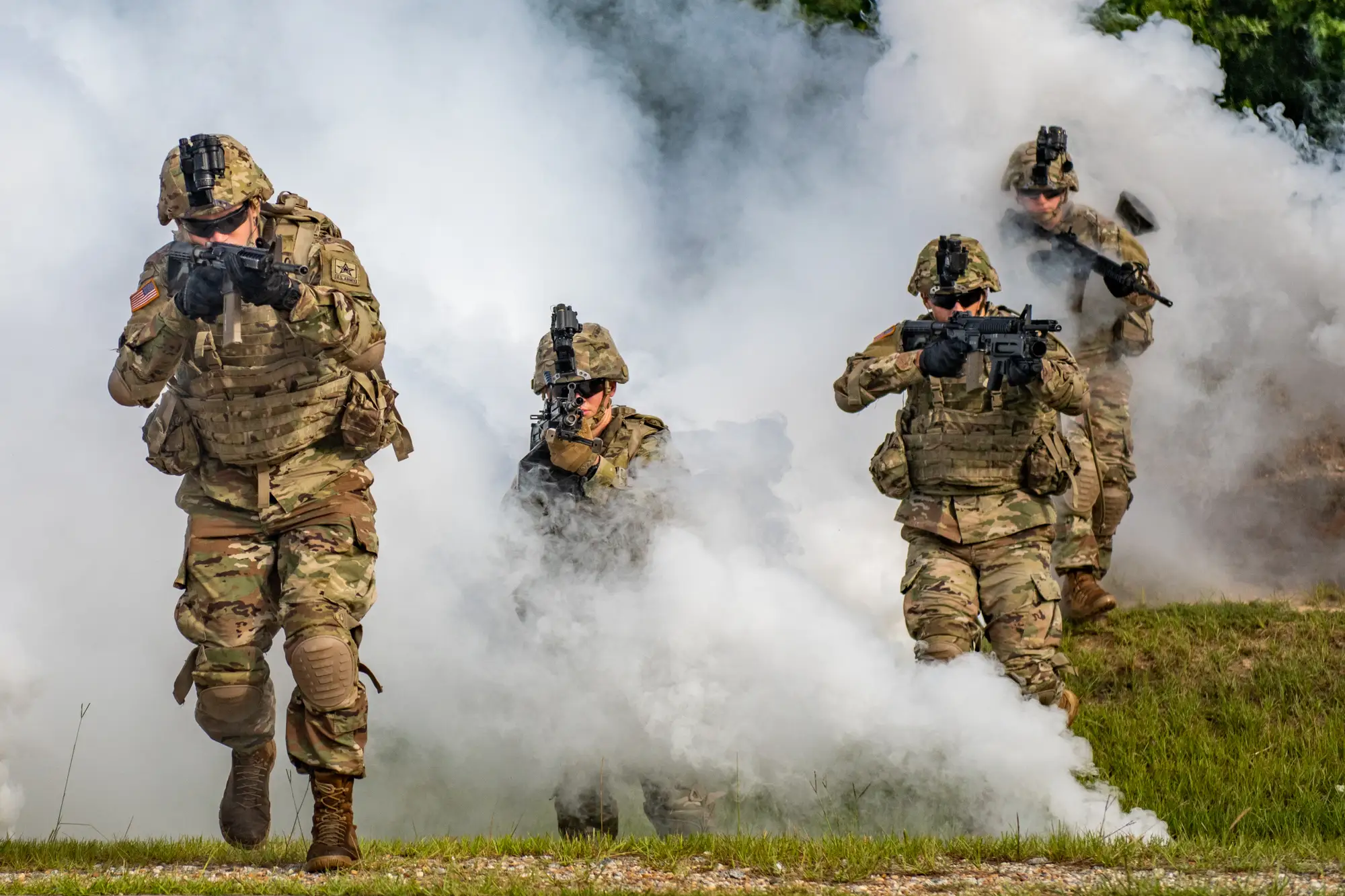

The United States is spending approximately $2 billion every day on its military campaign in Iran, a sum that could eliminate the global humanitarian funding gap in less than two weeks, according to the United Nations’ top relief official.
Tom Fletcher, the UN Under-Secretary-General for Humanitarian Affairs, delivered the assessment Thursday at Chatham House. He revealed that the financial resources consumed by the conflict could provide life-saving assistance to more than 87 million people.
The Staggering Opportunity Cost
Fletcher highlighted a stark disparity between military expenditure and humanitarian investment. He noted that the UN’s current $23 billion global humanitarian plan remains critically underfunded, yet it represents the equivalent of only 12 days of U.S. combat operations in Iran.
“For every day of this conflict, $2 billion is being spent,” Fletcher stated, characterizing the scale of spending as “reckless.”
This $2 billion daily estimate reflects a sharp escalation from figures provided to Congress earlier this year. In March, Defense officials reported that the first six days of the invasion cost $11.3 billion. Independent economists now warn that long-term costs could mirror the multi-trillion-dollar price tags of previous conflicts in Iraq and Afghanistan.
Global Economic Fallout
The financial burden arrives as the UN humanitarian agency faces a 50% budget cut. Fletcher warned that the war is triggering economic “ripple effects” that extend far beyond the Middle East. Rising food and fuel prices are projected to drive millions more into poverty, with Sub-Saharan and East Africa expected to suffer the most significant impact.
Rhetoric and International Law
The UN chief also condemned the aggressive language used by political leaders, specifically citing threats to “bomb Iran back to the stone ages.”
Fletcher argued that such rhetoric:
- Normalizes violence against civilian populations.
- Emboldens other leaders to ignore international legal norms.
- Endangers infrastructure essential for human survival.
The safety of front-line personnel is also at an all-time low. Fletcher reported that more than 1,000 aid workers have been killed over the last three years, demanding greater accountability for what he called the “unacceptable” targeting of emergency services.
Strained Diplomacy
Fletcher described the UN’s current relationship with the Trump administration as an “absolute rollercoaster ride.” He characterized the administration’s approach as “transactional,” noting that the UN now faces difficult ethical dilemmas regarding whether to accept U.S. funding when it is tied to specific political conditions.
As the conflict expands, the gap between military spending and the ability to mitigate human suffering continues to widen, leaving international agencies in a precarious state of insolvency.