
The Trump administration has ordered an immediate nationwide halt to all asylum decisions after a deadly shooting near the White House that left one National Guard member dead and another critically injured.
Joseph Edlow, Director of U.S. Citizenship and Immigration Services (USCIS), announced late Friday that the agency would pause all asylum adjudications “until we can ensure that every alien is vetted and screened to the maximum degree possible.”
Why It Matters
The freeze represents a major escalation in Trump’s second-term effort to restrict both legal and unauthorized immigration, potentially affecting thousands of pending asylum cases and setting up new legal battles.
It comes as the United States faces domestic and international scrutiny over its obligations under asylum and refugee agreements, and it underscores the administration’s argument that national security concerns justify sweeping constraints in the aftermath of violent incidents involving migrants.
What We Know So Far
The USCIS announcement follows a double shooting near the White House on Wednesday, in which specialist Sarah Beckstrom, a 20-year-old member of the West Virginia National Guard, was killed.
The second victim, staff sergeant Andrew Wolfe, 24, remains in critical condition.
The suspect, Rahmanullah Lakanwal, entered the United States in 2021 through Operation Allies Welcome, a program created for Afghans who assisted U.S. military forces after working with the CIA during the Afghanistan War, according to The Associated Press.
His asylum was approved earlier this year under the Trump administration, according to a group that helps resettle Afghans who supported U.S. operations in the region, AP reported.
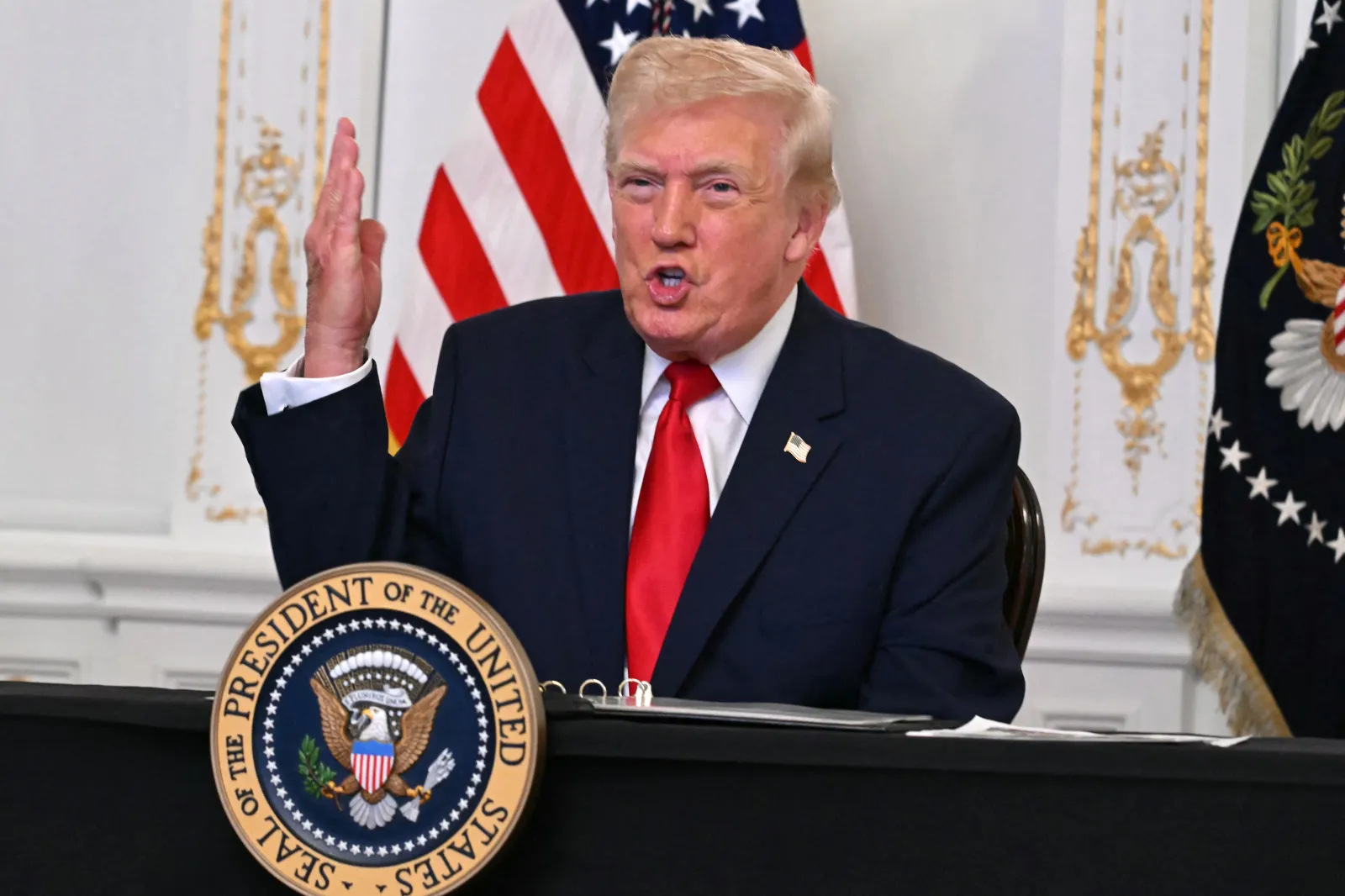
Trump has called the shooting a “terrorist attack” and vowed to “permanently pause migration” from what he described as “third world countries.”
The move also comes after the State Department’s decision to pause all visa issuance for individuals traveling on Afghan passports, according to Mark Rubio.
The Secretary of State wrote on X: “President Trump’s State Department has paused visa issuance for all individuals traveling on Afghan passports. The United States has no higher priority than protecting our nation and our people.”
In addition, the administration has ordered a review of green cards issued to people from 19 countries previously identified in a June White House proclamation. The specific countries have not been made public.
What People Are Saying
On his Truth Social platform, Trump wrote:
“Even as we have progressed technologically, Immigration Policy has eroded those gains and living conditions for many. I will permanently pause migration from all Third World Countries to allow the U.S. system to fully recover, terminate all of the millions of Biden illegal admissions, including those signed by Sleepy Joe Biden’s Autopen, and remove anyone who is not a net asset to the United States, or is incapable of loving our Country, end all Federal benefits and subsidies to noncitizens of our Country, denaturalize migrants who undermine domestic tranquility, and deport any Foreign National who is a public charge, security risk, or non-compatible with Western Civilization.”
Addressing the broader debate, Jeremy McKinney, president of the American Immigration Lawyers Association, told the BBC: “These types of issues, they don’t know skin colour, they don’t know nationality. When a person becomes radicalised or is suffering some type of mental illness, that person can come from any background.”
Research summarized in the Annual Review of Criminology has challenged claims that immigrants are more likely to commit crimes than U.S.-born residents. The review notes: “With few exceptions, studies conducted at both the aggregate and individual levels demonstrate that high concentrations of immigrants are not associated with increased levels of crime and delinquency across neighborhoods and cities in the United States.”
What Happens Next
The asylum freeze is likely to invite lawsuits arguing that the pause violates due process protections and U.S. commitments under international refugee agreements, including the 1953 Refugee Convention.
The administration’s decision to reexamine green cards issued to people from unspecified “countries of concern” is also expected to raise legal and civil-rights questions about how far the government can go in revisiting lawful permanent residency.
No timeline has been given for when asylum decisions might resume, nor has the administration clarified which additional countries could be affected by any expanded migration bans.