
In a decisive move, the U.S. Senate on Tuesday voted 99–1 to remove a proposed 10-year ban on state-level artificial intelligence regulation from President Donald Trump’s expansive tax-cut and spending package—dubbed his “big beautiful bill.”
The AI regulation moratorium, which would have blocked states from creating their own AI laws, was included in the Senate’s version of the bill. It also aimed to prevent states from accessing a newly proposed $500 million federal fund designed to boost AI infrastructure if they imposed their own AI rules.
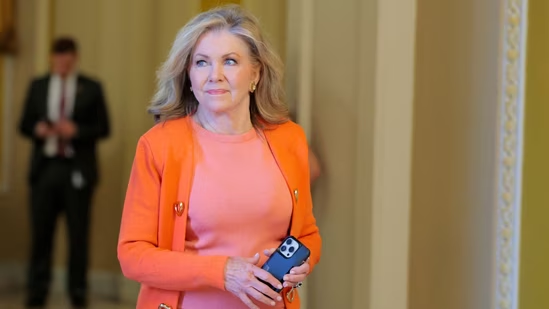
However, lawmakers overwhelmingly approved an amendment by Republican Senator Marsha Blackburn to strike the restriction, during a lengthy amendment process known as a “vote-a-rama.” Only one senator—Republican Thom Tillis—voted to keep the ban in place.
AI Industry vs. State Rights
Major AI players such as OpenAI and Google had supported the original provision, urging Congress to establish a single federal standard to avoid a patchwork of conflicting state regulations they said could stifle innovation.
However, Blackburn pushed back, arguing that states must retain the right to act—especially in areas where federal protections remain absent.
Compromise Attempt Collapses
Just a day earlier, Blackburn and Senate Commerce Committee Chair Ted Cruz floated a compromise that would have shortened the ban to five years and allowed states to regulate areas like child safety and protection of artists’ voices, so long as the laws didn’t place an “undue or disproportionate burden” on AI development.
But Blackburn pulled her support for the compromise, ultimately advocating for full removal of the ban.
“The current language is not acceptable to those who need these protections the most,” Blackburn said.
“Until Congress passes federally preemptive legislation like the Kids Online Safety Act and a strong online privacy framework, we can’t block states from protecting their citizens.”
The amendment’s passage marks a setback for the Trump administration’s efforts to centralize AI regulation at the federal level. The broader tax-and-spending bill still faces additional votes before final passage.