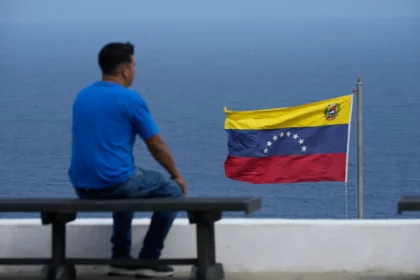

Venezuelan Indigenous residents are describing what they say was a powerful strike on suspected cartel infrastructure earlier this month, an explosion so intense that some say it left them unable to hear for hours.
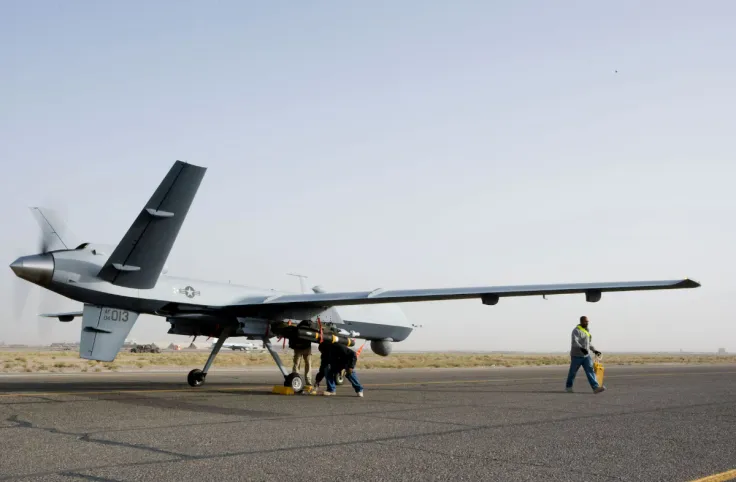
Ana, one of the witnesses, told NBC News that the blast occurred on December 18. In the days leading up to it, she recalled hearing a strange sound in the sky—something she now believes may have been a drone surveying the area.
“I had never experienced anything like it,” said Ana, who declined to share her last name out of fear of retaliation. She said some members of her family may have suffered permanent hearing damage and that their fishing boat, along with their nets, was destroyed in the blast.
“We are humble people who fish to survive,” she said. “Now we need help to recover what we lost.” According to Ana, government officials arrived the following morning and told residents that “the gringos did this.”
Another witness said he could not determine whether the strike involved a drone or a missile, but emphasized the scale of the blast, calling it a “huge explosion.”
The reported strike allegedly targeted a remote dock along Venezuela’s coast and was carried out by the CIA, according to multiple reports. CNN cited sources familiar with the operation who said no one was present at the facility at the time and that there were no casualties. Those sources also said U.S. Special Operations Forces provided intelligence support, though U.S. Special Operations Command spokesperson Col. Allie Weiskopf denied that claim.
Venezuela’s government has not formally acknowledged the incident. However, Colombian President Gustavo Petro publicly addressed it, attributing responsibility to the guerrilla group ELN.
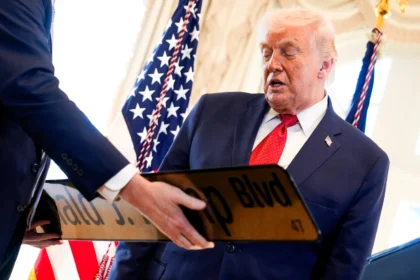
In a lengthy social media post, Petro claimed he knew that “Trump bombed a factory, in Maracaibo, where coca paste is mixed to turn it into cocaine,” citing the region’s strategic location.
Petro went on to argue that ELN activity is creating conditions that allow the United States to “invade Venezuela.” He suggested that Venezuelan armed forces should move into the area, replace coca crops, and shift economic activity away from cocaine production, noting that global cocaine prices have fallen sharply.
“There are massive warehouses in Africa storing tens of tons of cocaine, and the price of coca leaves in Colombia has collapsed,” Petro wrote. “It is now more profitable to deal in cannabis and legal gold than cocaine. This is the moment for replacement, and the state must take advantage of it.”