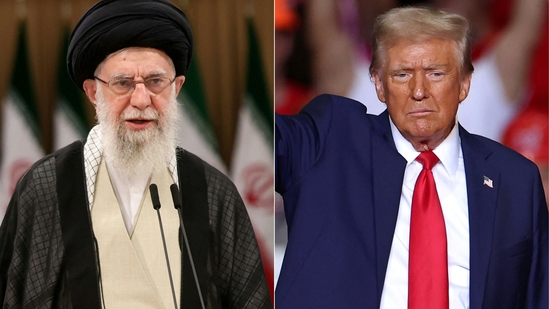

Ali Khamenei, Iran’s supreme leader, issued a pointed warning to United States, saying any American-initiated conflict would not remain contained. “The Americans should know if they start a war, this time it will be a regional war,” he said, rejecting the idea that military deployments or threats could weaken Iran’s resolve.
He also dismissed Washington’s longstanding rhetoric about potential military action — including references to warships and aircraft — as familiar and ineffective. According to Khamenei, such language is intended to intimidate, but he argued it does not move the Iranian public or shift Tehran’s position.
Khamenei insisted Iran is not seeking to ignite a conflict or attack other nations. “We are not the initiators of war. We do not seek to oppress anyone. We do not seek to attack any country,” he said, adding that retaliation would be swift and forceful if Iran were struck. “Anyone who seeks to attack or cause harm will face a decisive blow from the Iranian nation.”
Framing the dispute in stark terms, he argued the central clash with the United States is about control and influence — claiming Washington wants access to Iran’s resources and strategic position, while Iran’s government and public stand in the way. He described this as an attempt to restore a dominance he said existed before the 1979 Islamic Revolution, and vowed Iran would continue resisting what he called American interference.
The remarks come amid rising tensions after Donald J. Trump announced a “massive Armada” was heading toward Iran, describing the fleet as moving “quickly, with great power, enthusiasm, and purpose,” and warning Tehran that “time is running out” to reach a “fair and equitable deal — NO NUCLEAR WEAPONS.”
Trump also referenced “Operation Midnight Hammer,” which he said caused significant destruction in Iran, warning that a future strike would be “far worse” if no agreement is reached.
Khamenei’s comments appeared to be his most direct response yet to the naval buildup and Trump’s threats, as Iranian officials simultaneously signaled deterrence while leaving open the possibility of diplomacy under terms Tehran considers acceptable.