
White House Press Secretary Karoline Leavitt dismissed reports on Wednesday that President Donald Trump believes diet soda can cure cancer, characterizing the statements as a recurring joke that has been misinterpreted by the media.
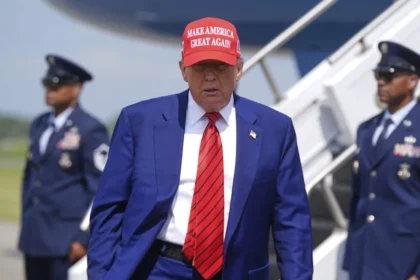
The controversy ignited following a recent episode of the Triggered podcast, hosted by Donald Trump Jr. During the interview, Dr. Mehmet Oz—the current administrator for the Centers for Medicare and Medicaid Services—recounted a conversation with the President aboard Air Force One. Oz claimed Trump suggested that because diet soda “kills grass” when poured on a lawn, it must similarly “kill cancer cells” within the human body.
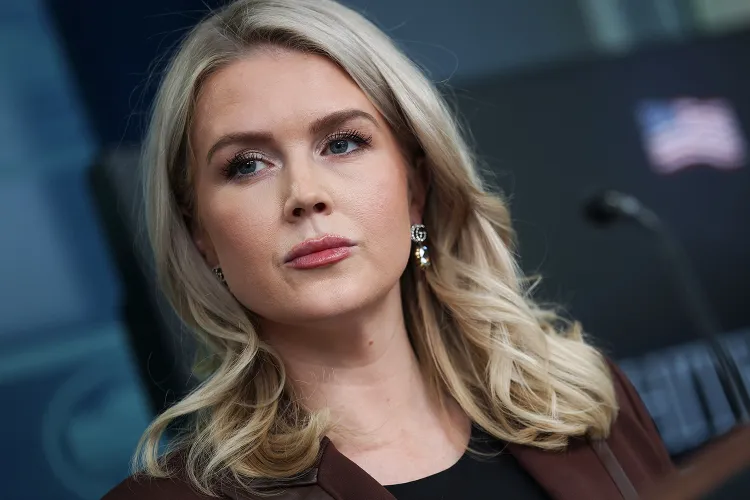
The remarks drew immediate scrutiny during a White House press briefing on April 15. When a reporter questioned whether the anecdote accurately reflected the President’s medical perspective, Leavitt laughed off the query, defending the President’s “underreported” sense of humor.
“I have heard him tell this joke before,” Leavitt said, smiling at the briefing room. “I think the Wall Street Journal should get a better sense of humor.”
While the administration framed the comments as lighthearted banter, health experts issued swift rebuttals. Medical professionals noted there is no clinical evidence to support the claim that carbonated soft drinks or artificial sweeteners possess anti-carcinogenic properties. In fact, the World Health Organization’s International Agency for Research on Cancer (IARC) currently classifies aspartame—a primary sweetener in most diet sodas—as a “possible carcinogen” based on limited evidence.
“Statements like these are dangerous because they blur the line between prevention and satire,” said Dr. Pearl Anand, a consultant for radiation oncology. “They risk encouraging patients to delay legitimate medical treatment in favor of anecdotal cures.”
On social media, the exchange bolstered Leavitt’s standing among supporters. Many users on platforms like Instagram praised her composure, describing her response as “fast and smart” while accusing the press of being “fake” or “rude.”
The incident highlights the ongoing friction between the administration’s informal, populist communication style and the rigorous standards of public health messaging. Despite the pushback from the medical community, the White House maintains that the President’s “sheepish grin” during the conversation with Oz was a clear indicator of his satirical intent.