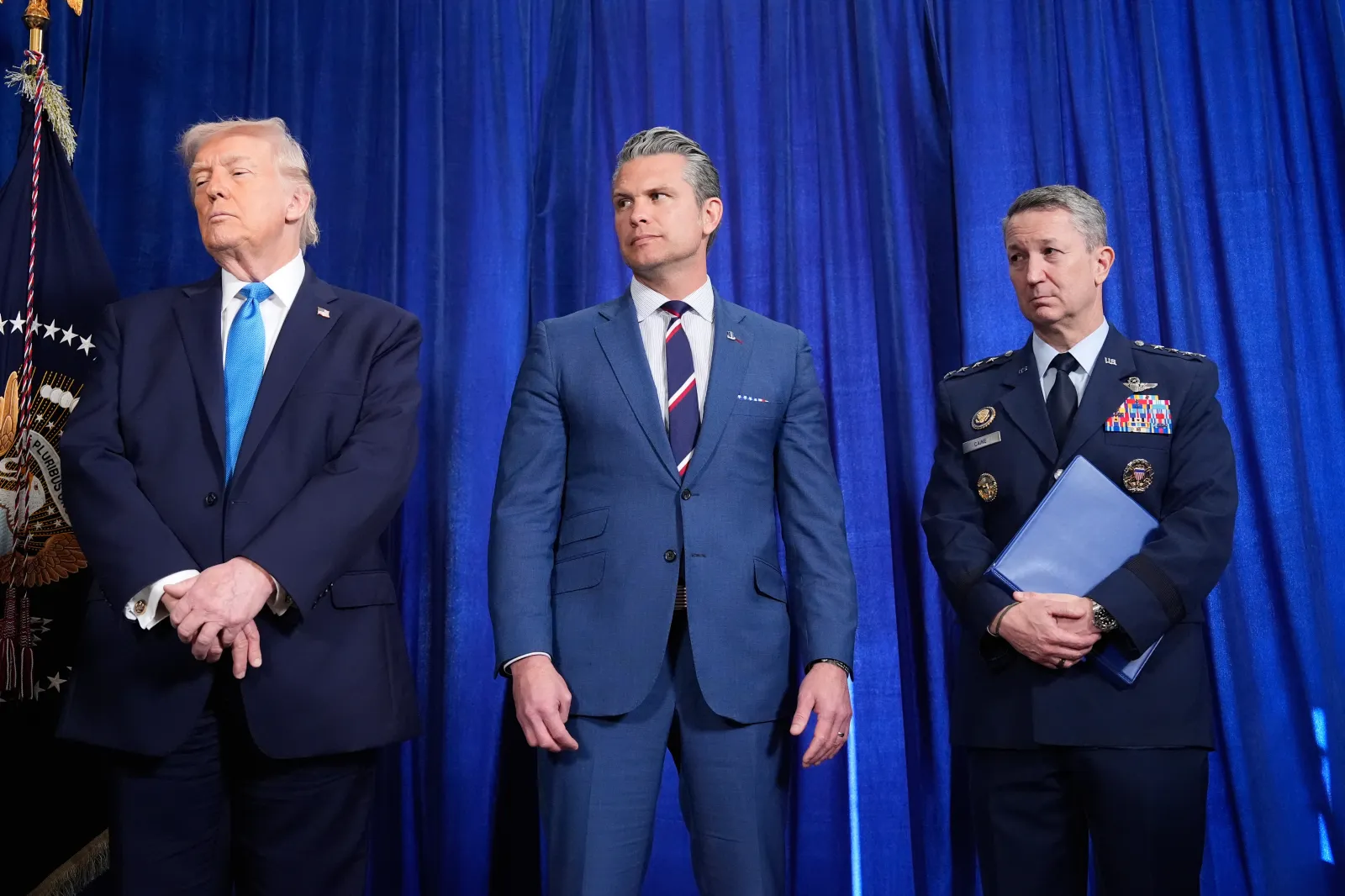

The U.S. military is undergoing a fundamental identity shift as the Trump administration replaces decades of “quiet professionalism” with a doctrine of “maximum lethality” and overt bellicosity. This pivot, punctuated by the rebranding of the Department of Defense to the Department of War, has sparked internal alarm regarding operational discipline, military morale, and America’s global standing.
The traditional American warrior ethos—defined by humility, maturity, and the judicious use of force—is being sidelined. In its place, Secretary of Defense Pete Hegseth has championed a rhetoric of “unleashing overwhelming violence” and “maximum lethality,” explicitly dismissing what he calls “tepid legality” and “politically correct” rules of engagement.
Pentagon insiders, speaking on the condition of anonymity, describe the new atmosphere as “reckless” and “feral.” They argue that the administration is trading the sobriety required for high-stakes decision-making for a “saber-rattling” posture that projects insecurity rather than strength.
Central to this cultural overhaul is Hegseth himself. A former Army major whose rise to the cabinet bypassed traditional senior leadership echelons, Hegseth has leaned into controversial “Crusader” imagery. His tattoos, including the Jerusalem cross and the Latin phrase Deus Vult (“God wills it”), have become symbols of a new, ideologically charged military direction.
This shift coincides with a volatile period in U.S. foreign policy:
- Iran De-escalation: President Trump recently agreed to a two-week suspension of threats against Iranian civilian targets following a month of chaotic reversals.
- Targeting Civilians: The administration has faced international backlash for rhetoric suggesting the targeting of civilian infrastructure—acts that could constitute war crimes under international law.
Military historians and veteran strategists warn that “macho” posturing often signals tactical weakness. The concept of the “quiet professional” was designed to weed out reckless “hotheads” who view violence as a first resort rather than a grim necessity.
“Judgment and sobriety are at the heart of effective military decision-making,” says one former field-grade officer. “Tough guys with chips on their shoulders make poor warfighters.”
Historical precedents, from Sun Tzu’s emphasis on subduing enemies without fighting to General Ulysses S. Grant’s calm resilience at the Battle of Shiloh, suggest that restraint is a hallmark of superior command. Critics argue that by embracing the “Francis” persona—a reference to the insecure, hyper-aggressive soldier in the film Stripes—the current leadership risks degrading the very cohesion and moral high ground that has historically made the U.S. military the “envy of the world.”