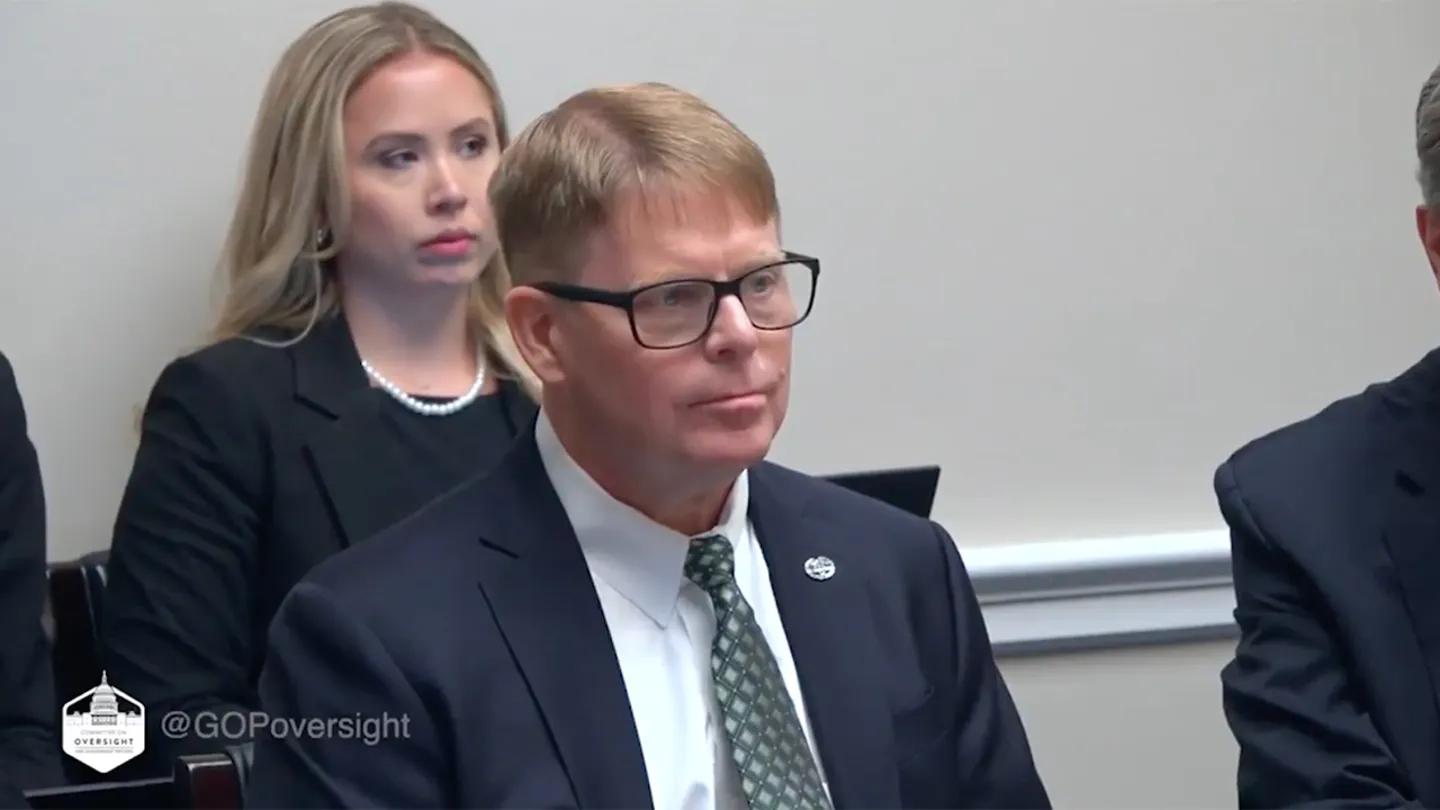

WASHINGTON, D.C. – Dr. Kevin O’Connor, President Biden’s longtime physician, invoked the Fifth Amendment multiple times during a House Oversight Committee deposition this week, refusing to answer questions related to Biden’s health and fitness to serve.
O’Connor was subpoenaed by Oversight Chairman James Comer (R-Ky.), who has raised concerns about whether Biden was medically or mentally capable of carrying out his presidential duties. The closed-door deposition lasted just 20 minutes, with O’Connor declining to respond even to basic procedural questions, including whether he understood the nature of the proceedings.
“Most people plead the Fifth when they face criminal exposure. That’s what it looks like on the surface here,” Comer said afterward. “The American people deserve to know the truth about the president’s physical and mental condition.”
The committee took the rare step of publicly releasing video footage from the deposition, showing O’Connor repeatedly citing his constitutional right to remain silent “on the advice of counsel.”
Comer Alleges Possible Cover-Up, Dems Push Back
Comer accused O’Connor’s silence of adding “fuel to the fire” and suggesting a potential cover-up regarding Biden’s health.
But Rep. Jasmine Crockett (D-Texas), the only Democrat present, said Republicans were misrepresenting legal processes to fuel partisan narratives.
“To say invoking the Fifth equals guilt is a dangerous mischaracterization,” Crockett said. “We’re talking about patient confidentiality — a fundamental part of medical ethics.”
O’Connor’s legal team argued their client was placed in a legally impossible position: caught between upholding doctor-patient confidentiality and complying with a congressional subpoena.
“Asserting the Fifth Amendment does not imply Dr. O’Connor committed any crime,” his attorneys stated. “He is bound by his ethical obligation to protect confidential medical information.”
They warned that disclosing Biden’s medical details could open O’Connor to civil lawsuits or revocation of his license.
Legal, Ethical, and National Security Questions Collide
The Department of Justice is also reportedly investigating the use of Biden’s autopen for signing official documents, raising further legal complications for O’Connor.
On Capitol Hill, even lawmakers who are doctors themselves expressed uncertainty. Sen. Roger Marshall (R-Kan.), an OB-GYN, said the situation presented a difficult balance between patient privacy and national security.
“You take an oath as a physician,” Marshall said. “But if there’s a national security concern, does that override patient confidentiality? I’d want to consult with constitutional experts before answering that.”
More Biden Insiders Scheduled to Testify
O’Connor’s refusal to answer questions adds to mounting scrutiny over who was truly making decisions during Biden’s presidency. Comer’s investigation is now focused less on old topics like Burisma and more on Biden’s capacity in office.
Historically, concerns over a president’s health aren’t new. Woodrow Wilson, Franklin D. Roosevelt, and Ronald Reagan all faced varying levels of concealment or substitution by others. Comer suggested Biden’s staff may have assumed decision-making authority at times — raising constitutional concerns.
In the coming days, the committee will also interview other key former Biden aides, including Ron Klain, the former chief of staff, and Anthony Bernal, a senior advisor to Jill Biden.
As for Dr. O’Connor, he maintained his silence both inside and outside the hearing room. When asked by reporters whether he believed Biden was fit for office, or whether he was covering for the president, O’Connor offered no response.
A Delicate Balance
Ultimately, the core issue remains unresolved: Should the health of a sitting president be kept confidential, even when national security might be at stake?
Rep. Crockett, reflecting on her own experience, said she never saw signs of significant decline.
“He may stumble over words — that’s not new and it comes with age,” she said. “But I never had any concerns about his ability to do the job.”
As questions persist and more former officials are called to testify, the public may be left in the dark — caught between a president’s right to privacy and the country’s right to transparency.