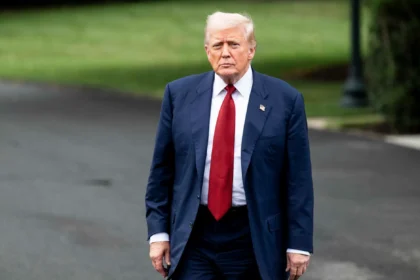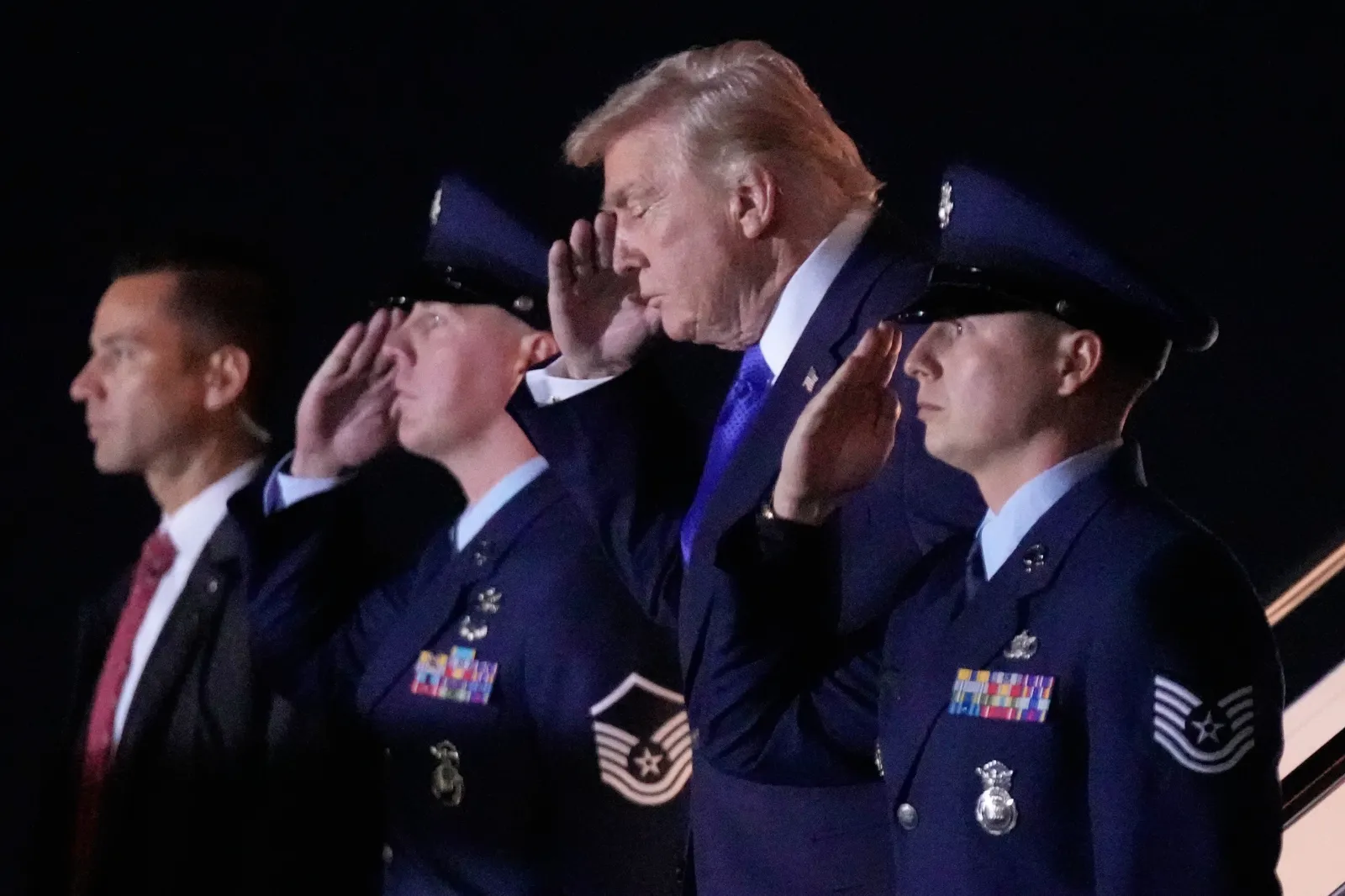

President Donald Trump said Tuesday that he plans to launch “very hard” land-based strikes in Latin America as part of his administration’s effort to curb drug trafficking, arguing that earlier maritime operations have sharply reduced the flow of fentanyl and other narcotics into the United States.
In an interview with Fox Business host Larry Kudlow, Trump said his administration first focused on disrupting drug shipments at sea, claiming those efforts cut drug flows by roughly one-third. He said the strategy is now shifting inland to prevent traffickers from adapting by rerouting shipments.
“Now we’re going to start on land,” Trump said, arguing that targeting trafficking networks on land would keep smugglers from simply moving operations back to boats.
Administration officials have not publicly detailed what form the proposed land strikes would take, which countries would be involved, or whether the effort would rely on U.S. military forces, foreign partners, or expanded law enforcement activity. The White House also has not said whether it would seek congressional authorization.
Trump has frequently framed drug trafficking—particularly fentanyl—as a national security threat, linking it to a rise in overdose deaths in the United States. He has repeatedly accused drug cartels of exploiting weak enforcement and has called for aggressive action to dismantle their operations.
Under U.S. law, military operations abroad typically require congressional authorization or must be justified under existing national security authorities. Internationally, using force on foreign soil without consent can violate international law unless it is tied to self-defense or authorized by treaty or the United Nations.
Trump did not address those legal questions in the interview, nor did he say whether governments in the region had agreed to expanded U.S. operations. Several Latin American countries have historically opposed U.S. military involvement in domestic security matters, citing sovereignty concerns and past interventions.
Trump has previously floated using U.S. force against drug cartels operating in Mexico and elsewhere—ideas that drew sharp resistance from regional leaders. Mexican officials, in particular, have repeatedly rejected any suggestion of U.S. military action on their territory, arguing it would violate national sovereignty. Leaders in Colombia and Central America have also emphasized cooperation through law enforcement and intelligence sharing rather than unilateral military action.
Supporters of Trump’s approach argue that decades of traditional counter-narcotics strategies have failed to stop fentanyl and other drugs from reaching U.S. streets and that more forceful measures are necessary. They point to high overdose death totals in recent years and say cartels operate with near impunity in some regions, justifying tougher action. Some conservative lawmakers have also backed designating major drug cartels as foreign terrorist organizations, a move that could expand the government’s legal authorities.
Trump said his administration’s focus is protecting Americans from drugs, particularly synthetic opioids.