
An economist says the Trump administration’s reported threats to indict Federal Reserve Chair Jerome Powell resemble tactics used by other leaders shortly before their countries slid into severe inflation crises.
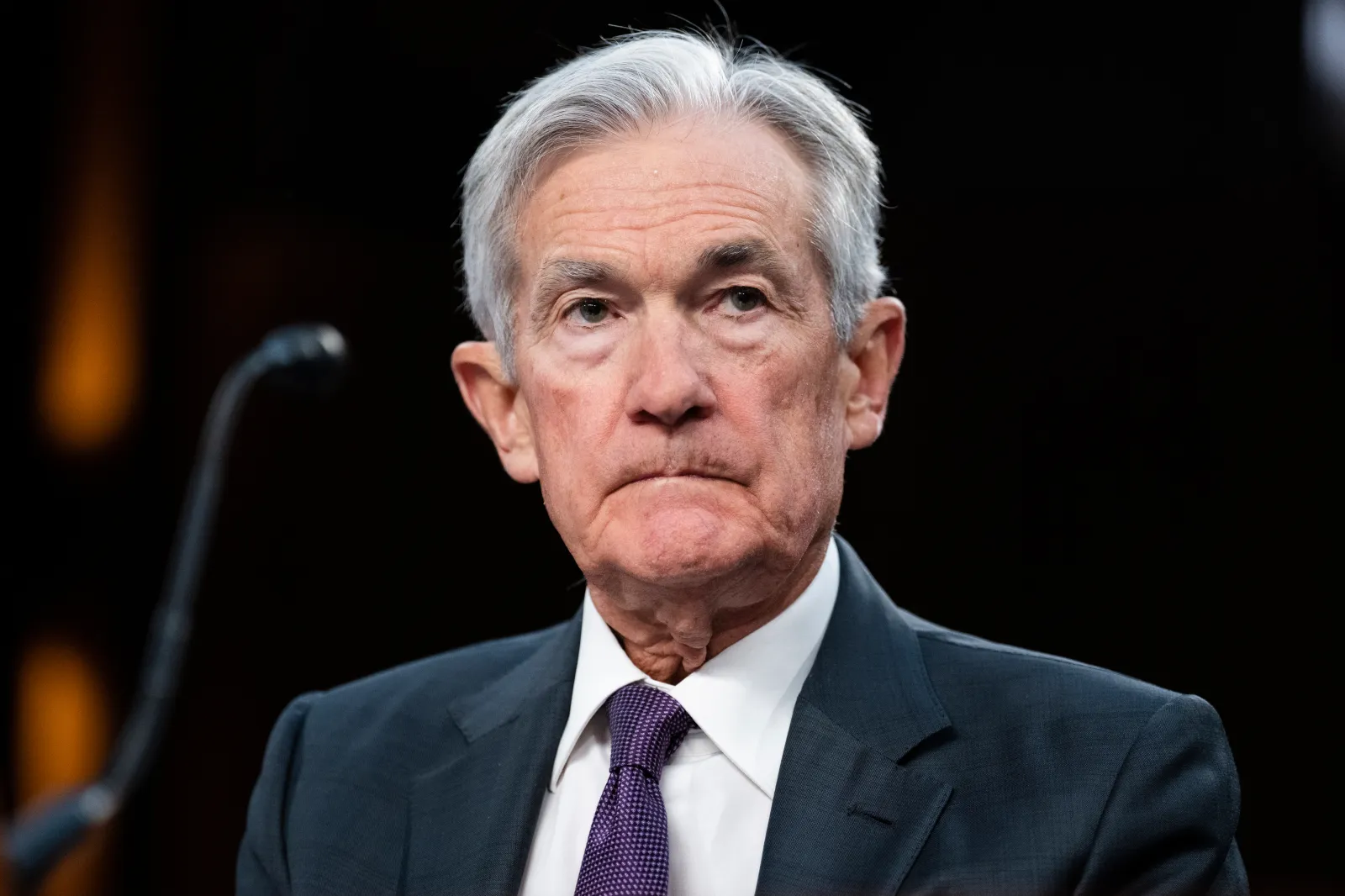
On Sunday, Powell said the central bank received grand jury subpoenas from the Department of Justice on Friday. He said the move raises the prospect of an indictment tied to his summer testimony about renovations to the Fed’s historic office buildings in Washington, D.C.
“It’s not unprecedented. It’s a thing that tin-pot dictators do,” economist Justin Wolfers told the BBC on Sunday. “And it’s a thing that tin-pot dictators do right before starting a hyperinflation and destroying their own economies.”
Why It Matters
Powell said the probe—reportedly connected to the Fed’s $2.5 billion renovation project—should be viewed “in the broader context of the administration’s threats and ongoing pressure” on the central bank, particularly over interest rates. Trump has repeatedly criticized the Fed and Powell for not cutting rates as quickly or as deeply as he wants, while also floating the idea of firing Powell and threatening legal action.
Many lawmakers have echoed Powell’s concern, warning that political pressure on the central bank risks undermining its independence. Some have said they may try to block confirmation of a successor until the legal situation is resolved.
What To Know
Wolfers, a University of Michigan economics professor and a frequent critic of the administration, told the BBC that Powell’s account sounded “entirely credible,” citing Trump’s repeated public attacks on the Fed chair.
“The idea that President Trump has used his Justice Department not for justice but for recrimination is now a pattern,” Wolfers said. “And so we’re seeing not just the Justice Department used for injustice now but the undermining of an independent organization, an independent public servant, Jay Powell, who’s been exercising his independence in the interests of the American people rather than the political interests of the president.”
Wolfers has previously argued that when central banks are forced to align with a leader’s political agenda, the economic consequences can be severe. He pointed to Turkey, where President Recep Tayyip Erdogan fired and replaced central bank governors with officials more willing to cut rates aggressively—contrary to the advice of many economists—followed by inflation that exceeded 80 percent for several months in 2022.
Wolfers also cited Venezuela and Zimbabwe as examples where political control over monetary policy contributed to economic turmoil, while emphasizing that the United States has historically treated the Fed’s independence as a core safeguard.
Other economists have voiced similar concerns. Harvard economist Jason Furman wrote on X that several countries have prosecuted or threatened to prosecute central bankers as a form of political intimidation or punishment for monetary policy decisions, listing Argentina, Russia, Turkey, Venezuela, and Zimbabwe.
What People Are Saying
William Silber, a former senior economist with the president’s Council of Economic Advisers, told Newsweek: “I can’t say whether Powell’s testimony warrants the charges by the Justice Department. However, Trump’s multi-pronged attack on the Fed is great cause for concern.”
Justin Wolfers told the BBC: “With those other countries I mentioned, the Venezuelas and Zimbabwes and Turkeys, what happened was a populous strongman came to power with an absurd view of the world and not enough checks and balances. And as a result, they got to destroy the economy and destroy the legal and political institutions in those countries. The question is, does the U.S. have sufficient checks and balances to prevent its current leader from following down the path of those other tin-pot dictators?”
Democratic Sen. Mark Warner of Virginia, a member of the Senate Banking Committee, wrote on X: “The Fed was designed to operate independently, insulated from political pressure, so that it can make tough decisions based on data and the long-term health of the economy, not the whims of any one president. That independence provides the stability that markets, investors, and everyday Americans rely on. Using the threat of criminal prosecution to pressure the Fed over interest rates is a direct assault on that foundation and puts the economic security of millions of Americans at risk.”
David Hogg, a political activist and former co-vice chair of the Democratic National Committee, wrote on X: “We are living in incredibly dangerous times. If Trump gets to start dictating interest rates inflation will skyrocket. I can’t over state how dangerous this is.”
Republican Sen. Thom Tillis of North Carolina said in a statement: “If there were any remaining doubt whether advisers within the Trump Administration are actively pushing to end the independence of the Federal Reserve, there should now be none. It is now the independence and credibility of the Department of Justice that are in question. I will oppose the confirmation of any nominee for the Fed—including the upcoming Fed Chair vacancy—until this legal matter is fully resolved.”
What Happens Next
In an interview with NBC News, Trump said he had no knowledge of the Justice Department’s probe into the Fed, but said of Powell, “He’s certainly not very good at the Fed, and he’s not very good at building buildings.”
Powell is due to step down as Fed chair in May. However, his separate 14-year term as a governor means he could remain on the central bank’s board after leaving the chair role.